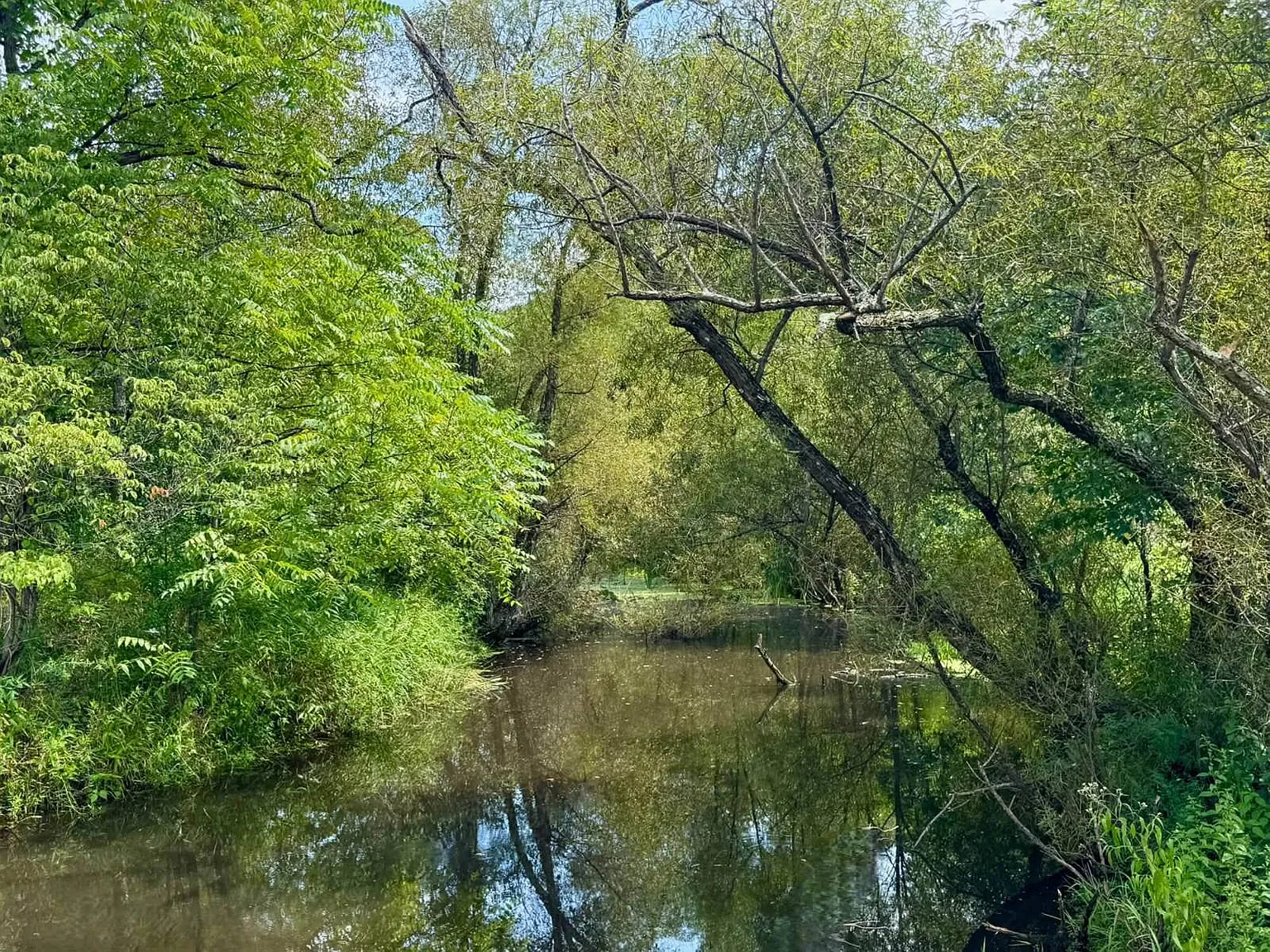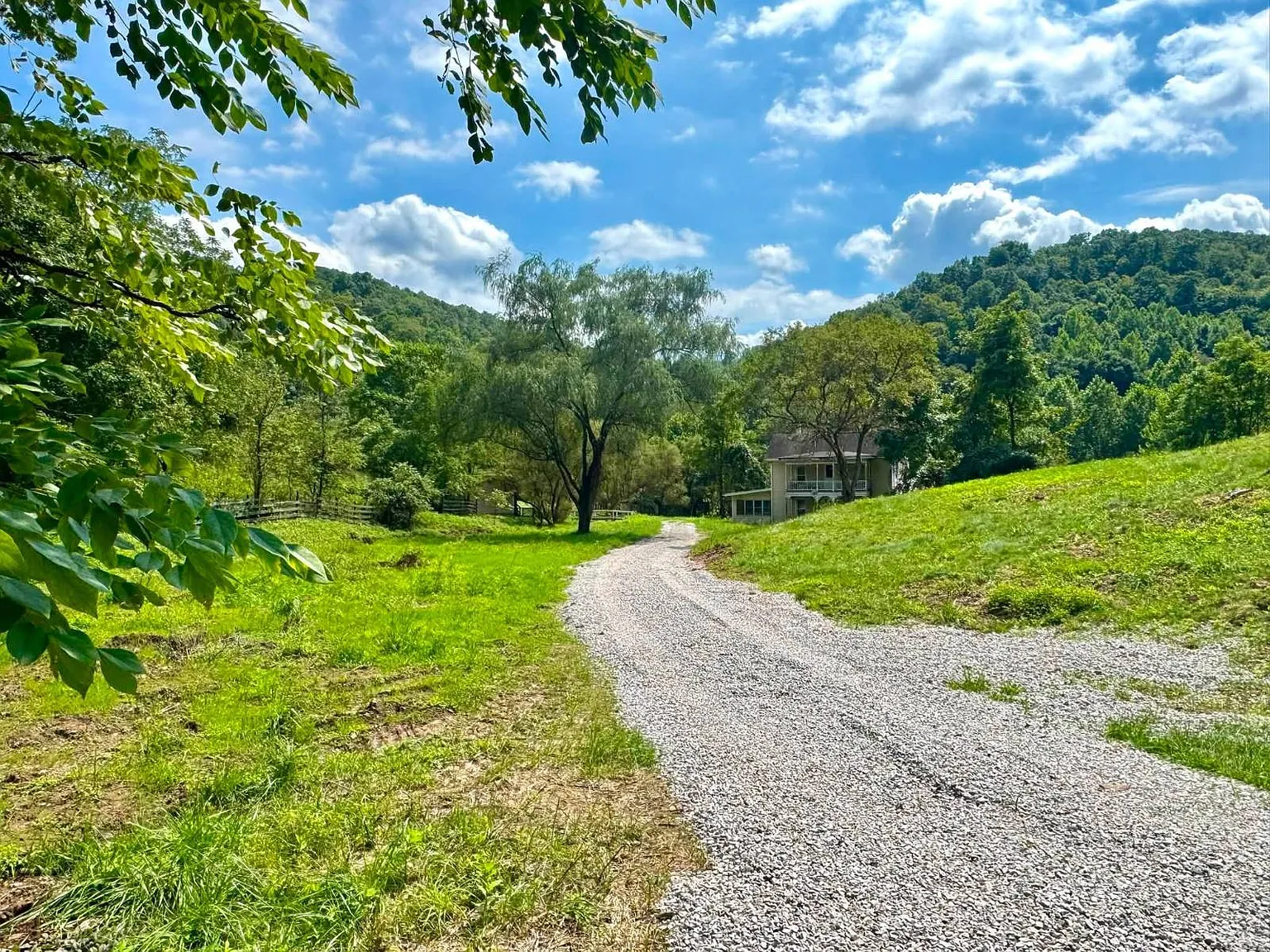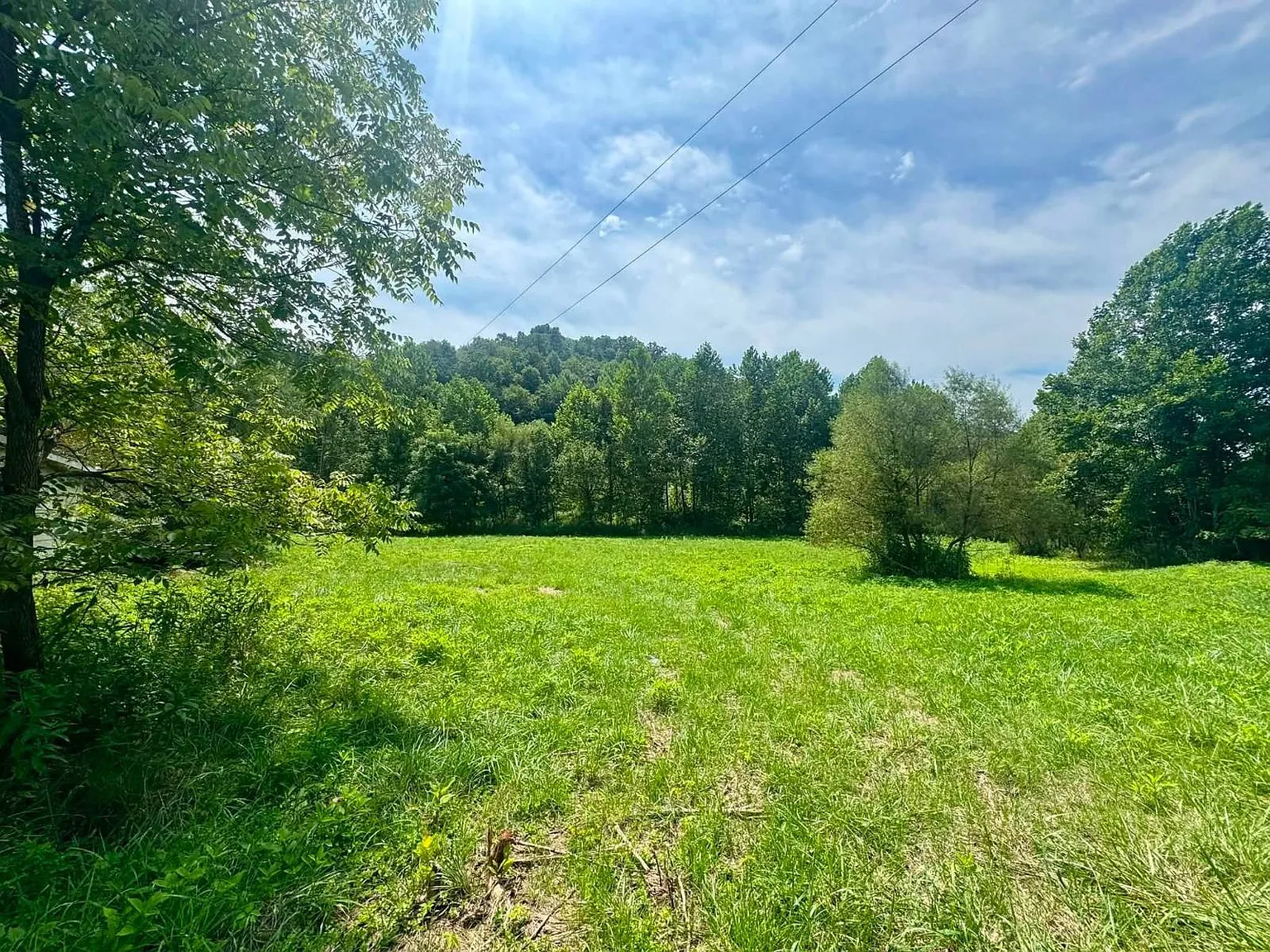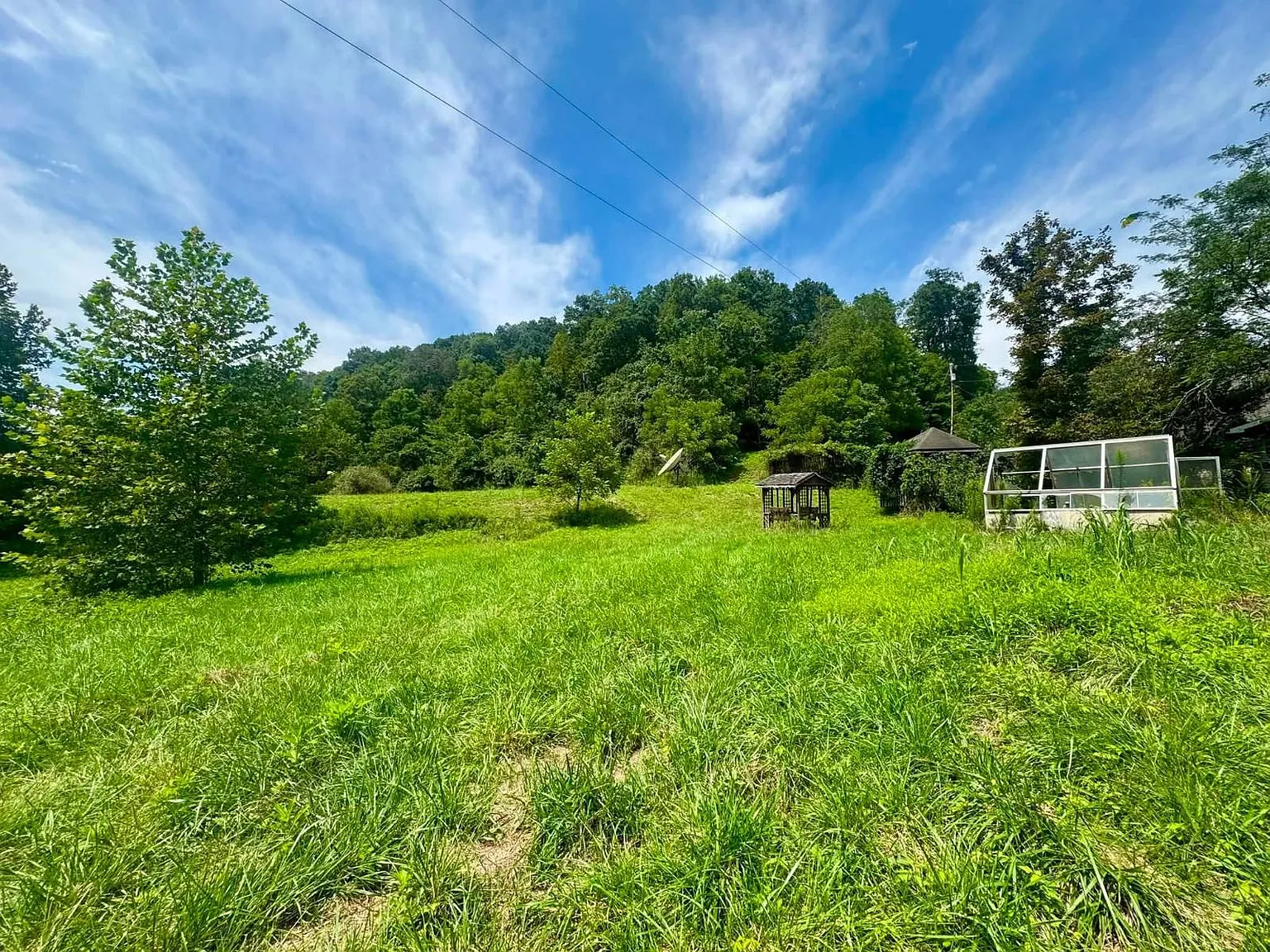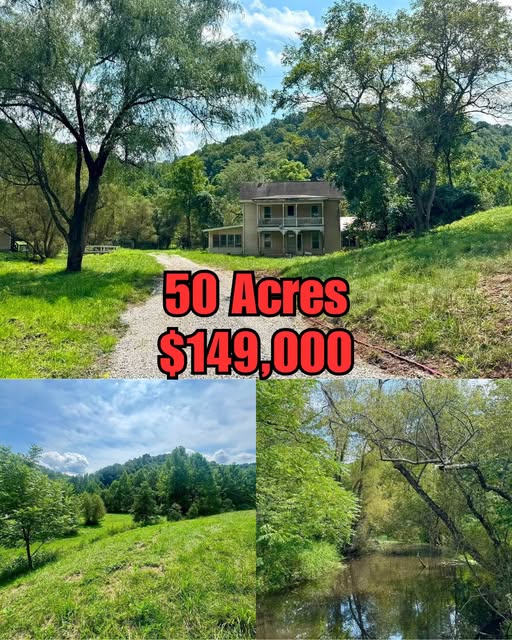
A nearly 50-acre rural property in Elizabeth, West Virginia, is drawing attention for its mix of pasture, woodland, ponds, existing utilities, and potential building sites.
Located at 1548 Providence Rd, the property is listed for $149,000 and includes approximately 49.62 acres of land.
For buyers searching for a homestead, hunting property, recreational retreat, or future home site, the land itself is the main attraction.
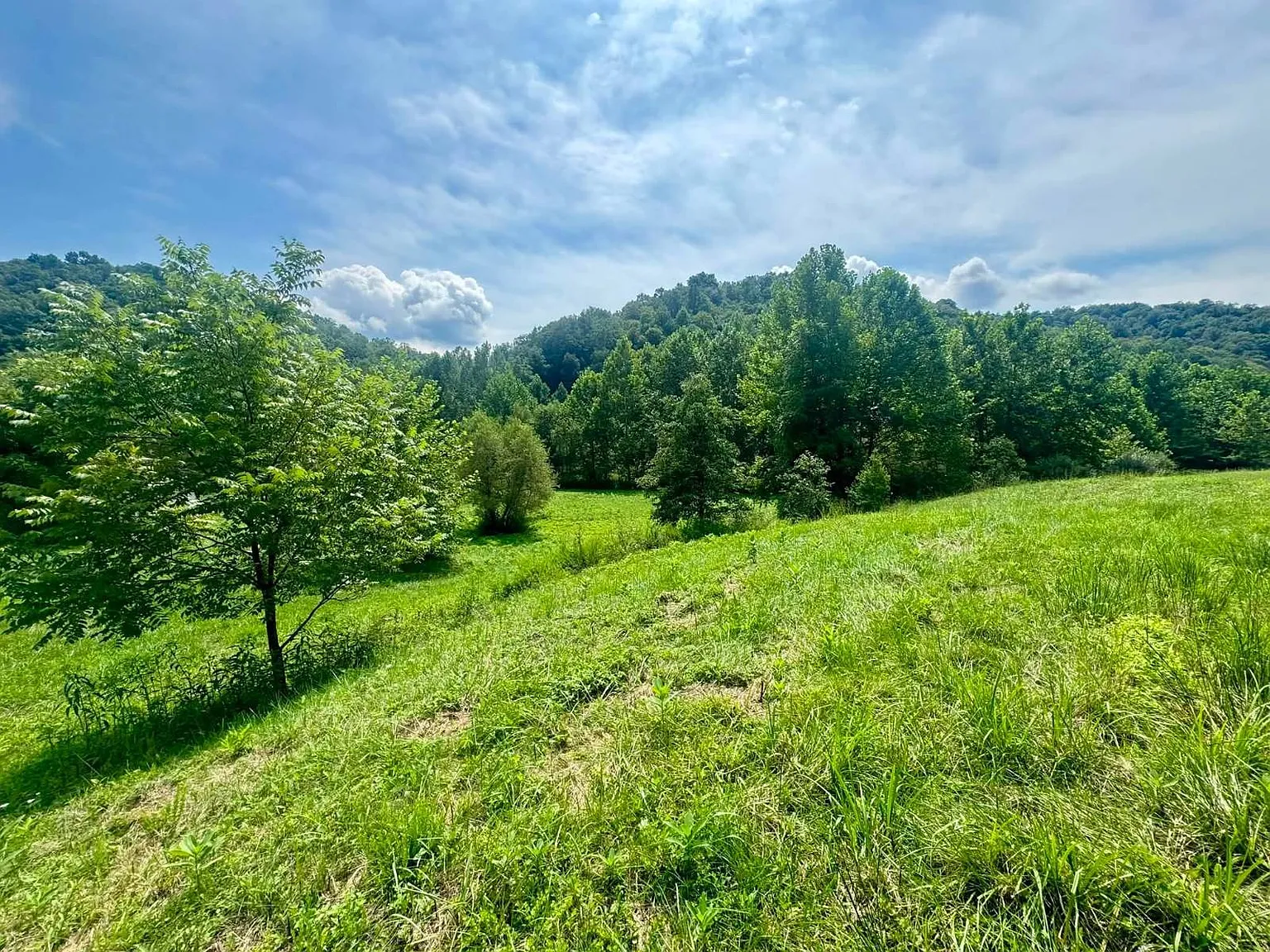
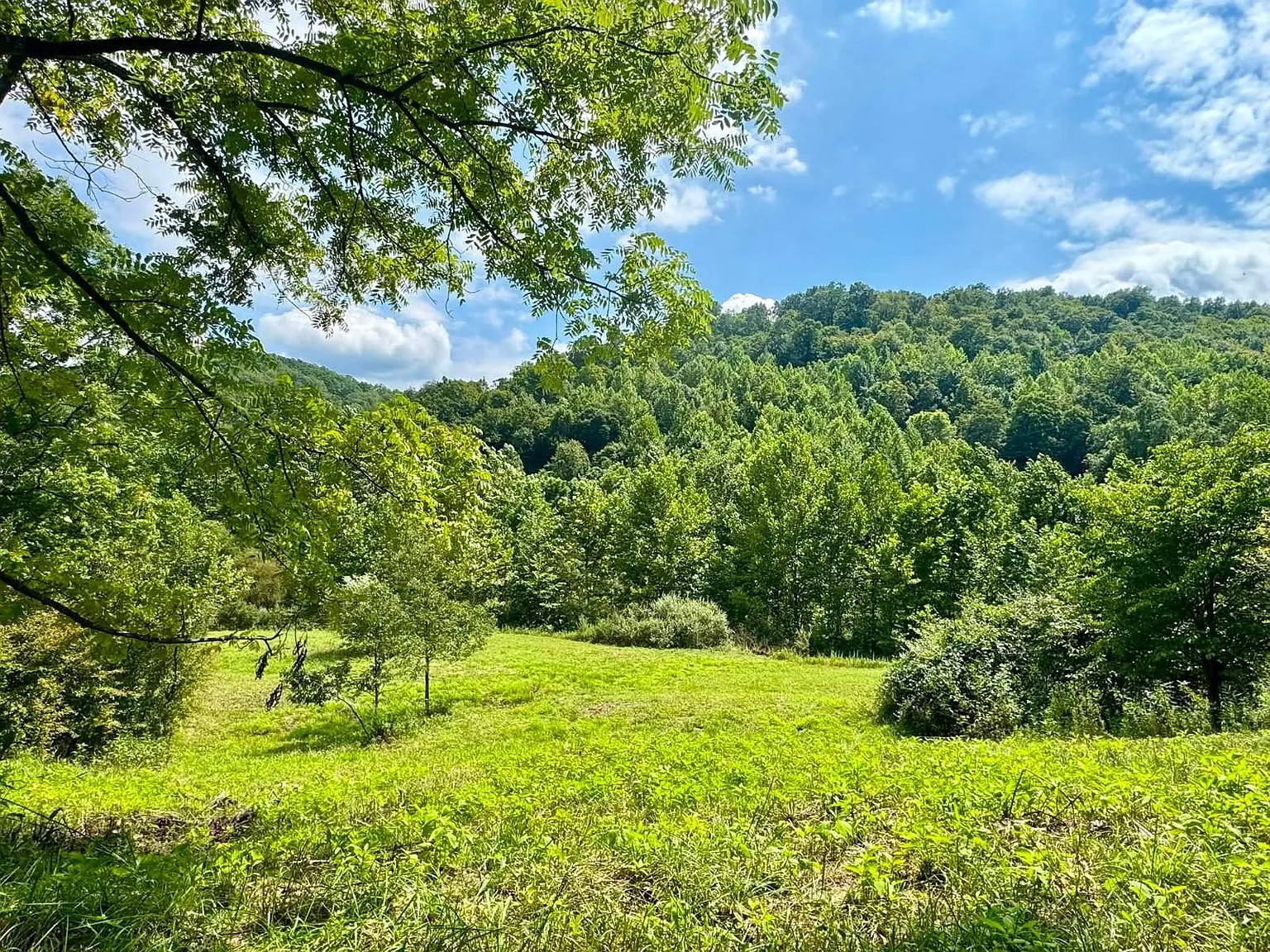
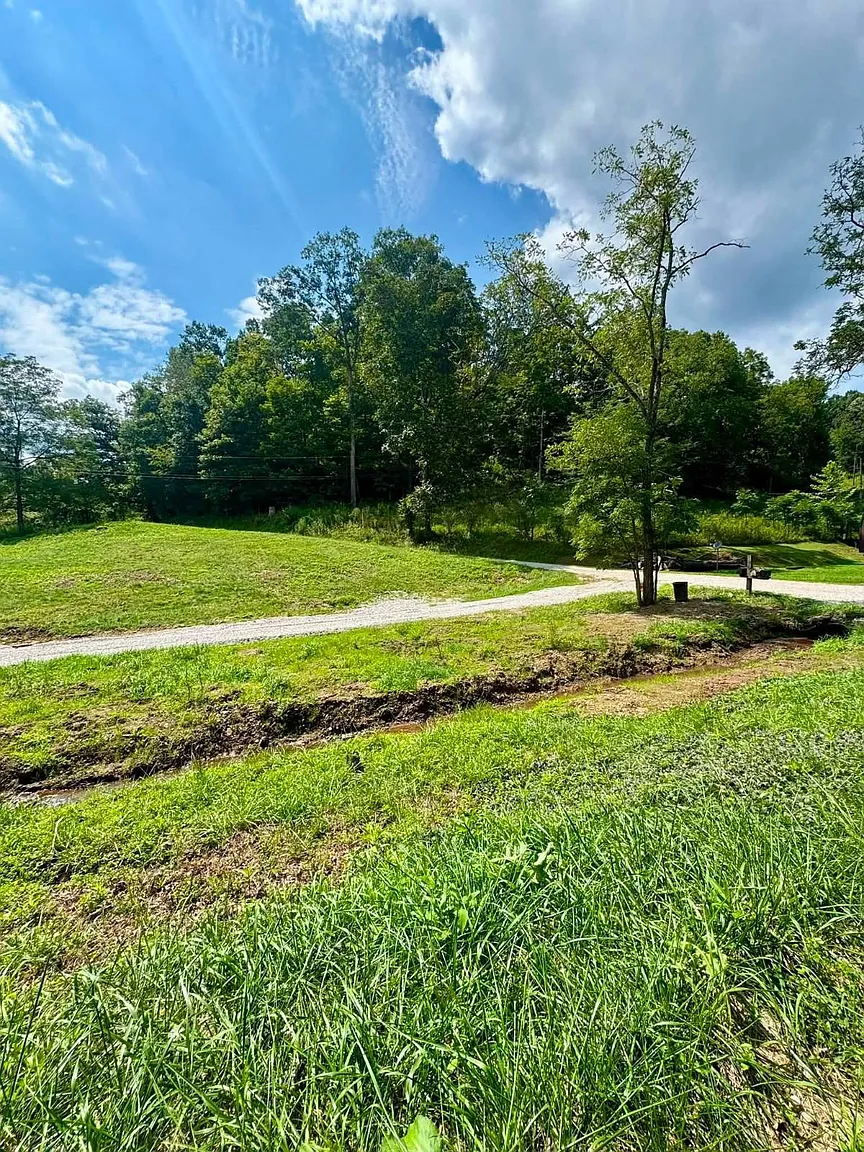
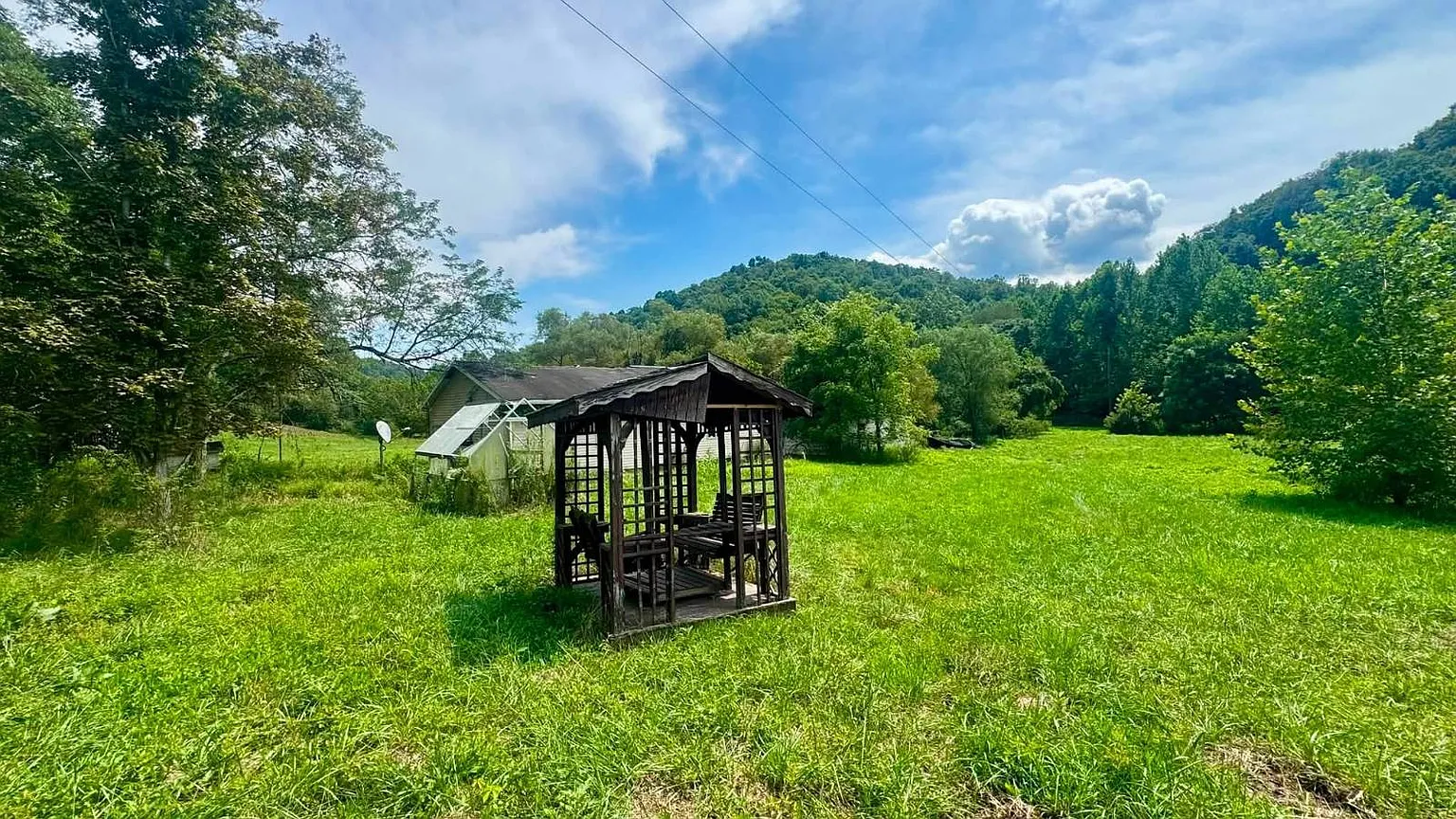
The property includes roughly 15 acres of cleared pasture and bottom land, with the rest made up primarily of woods.
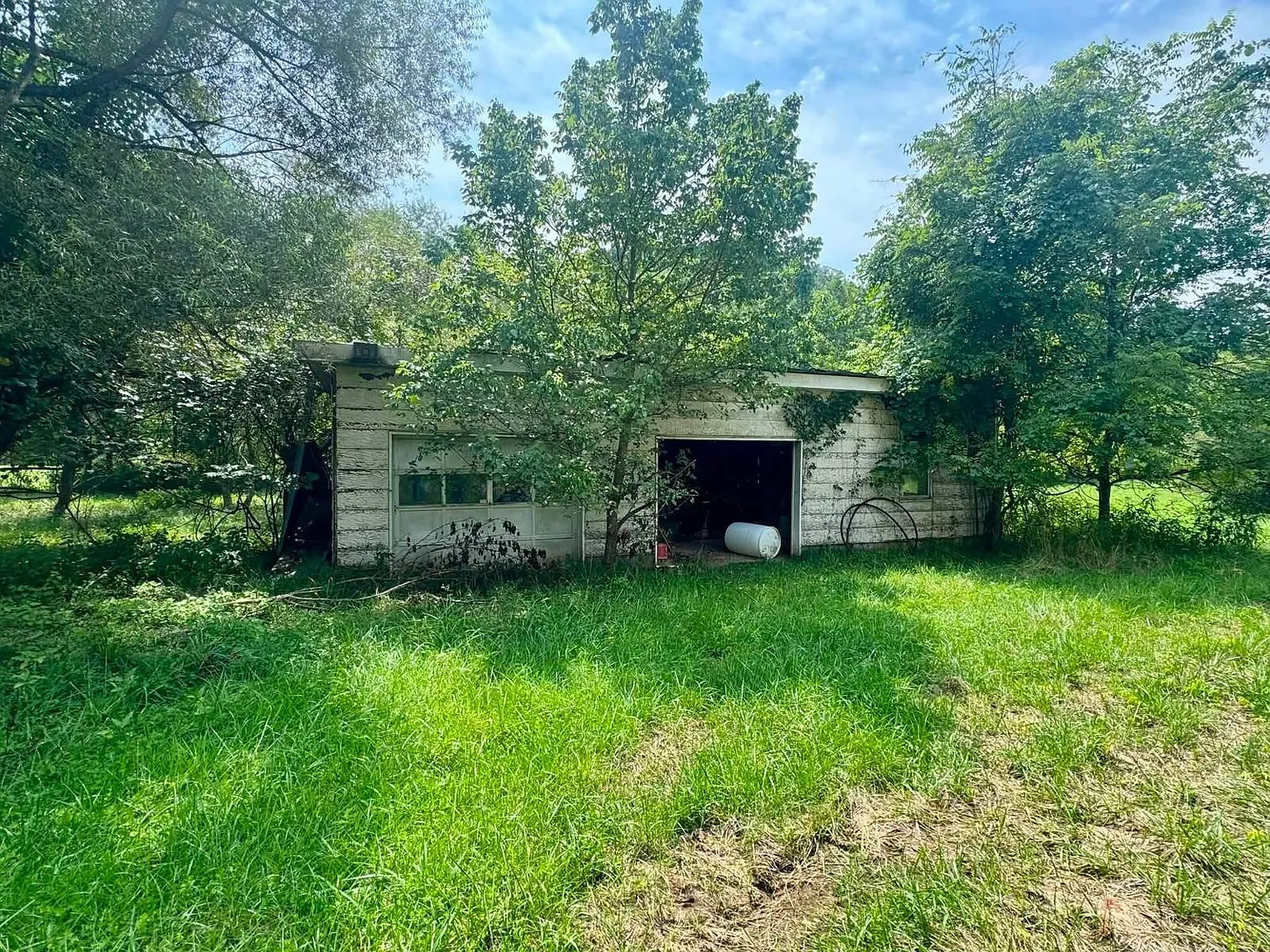
It also comes with two ponds, a drilled well, septic system, electric service, a natural spring, a gravel driveway, and two detached garages.
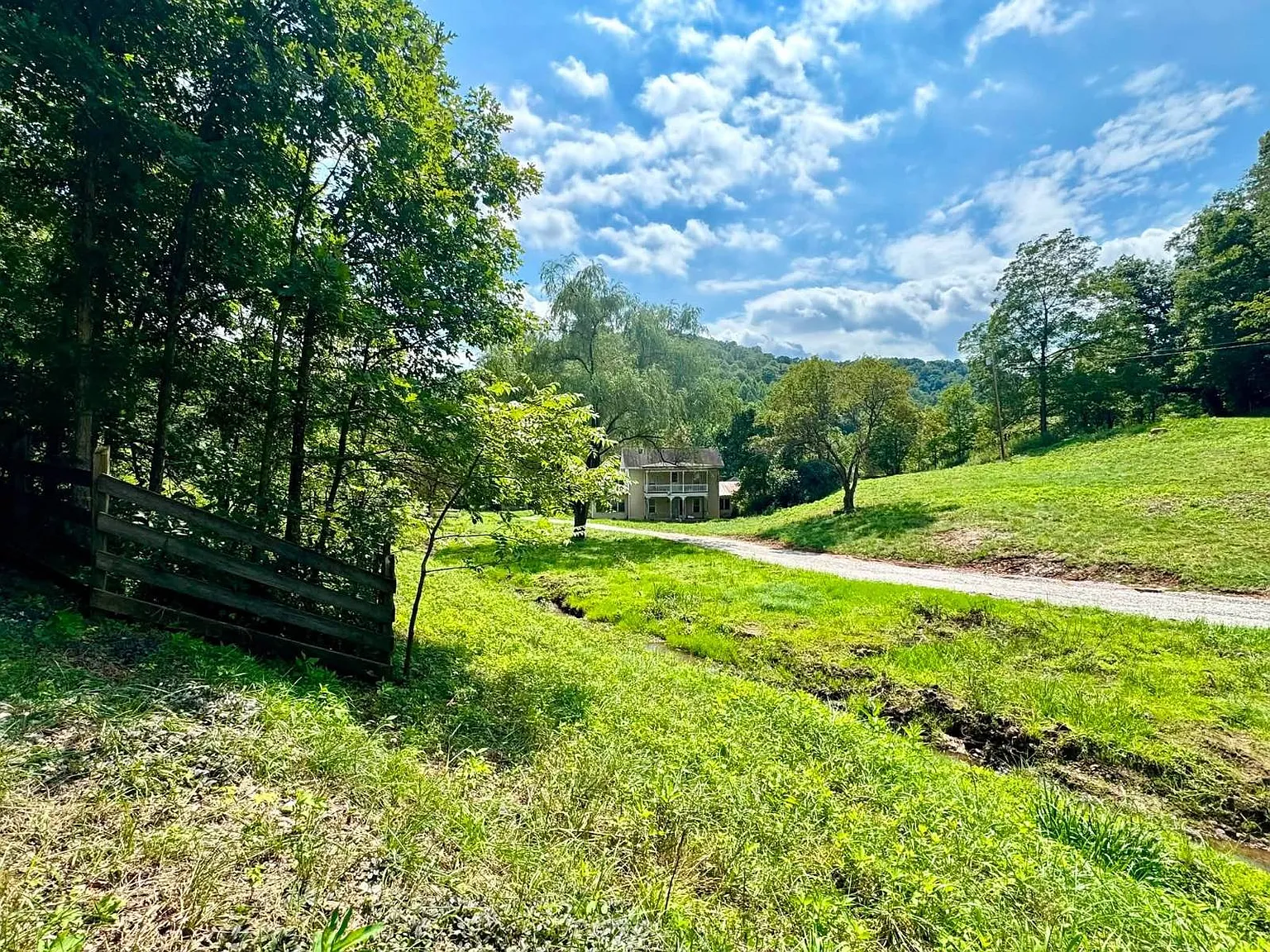
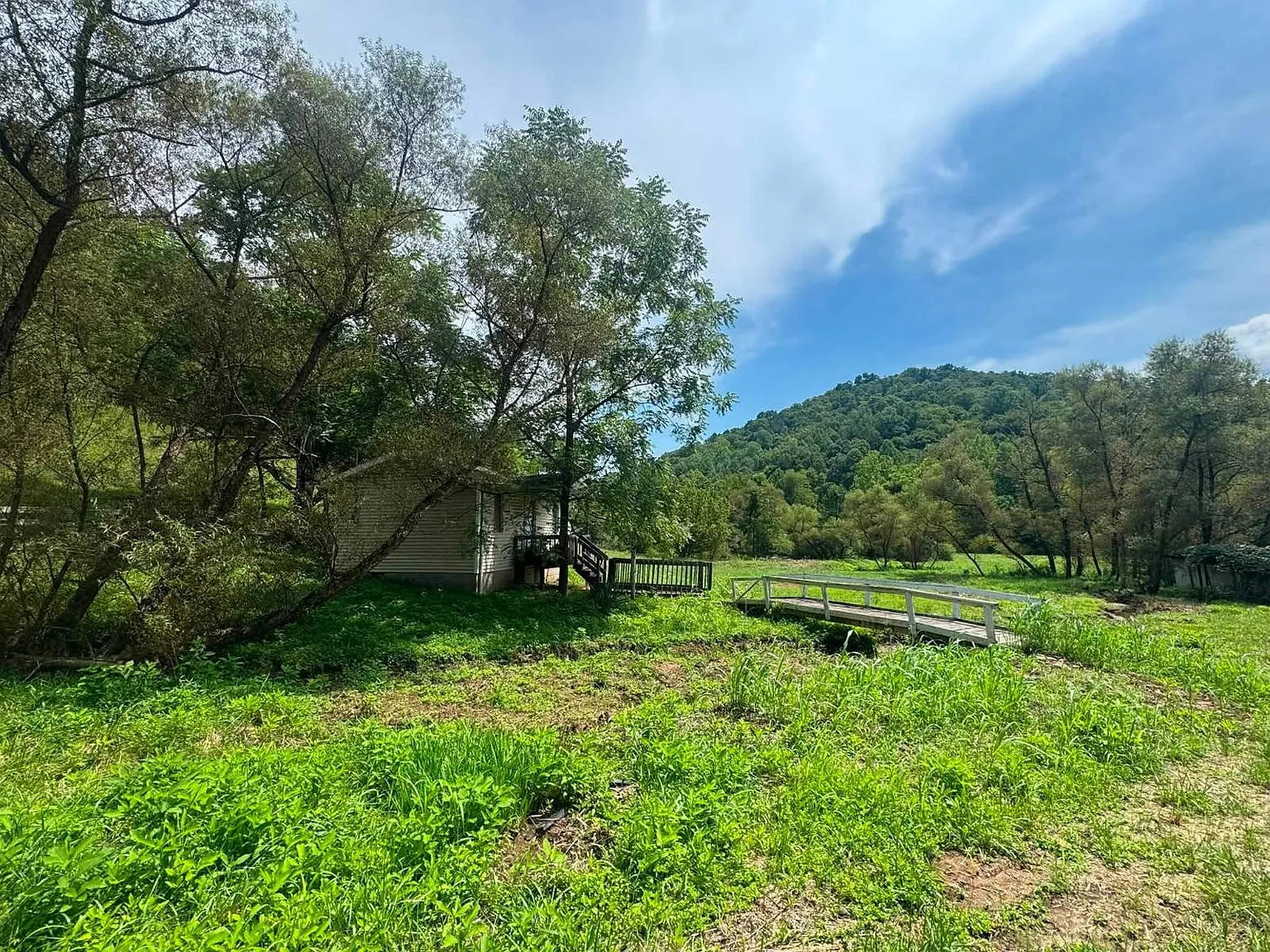
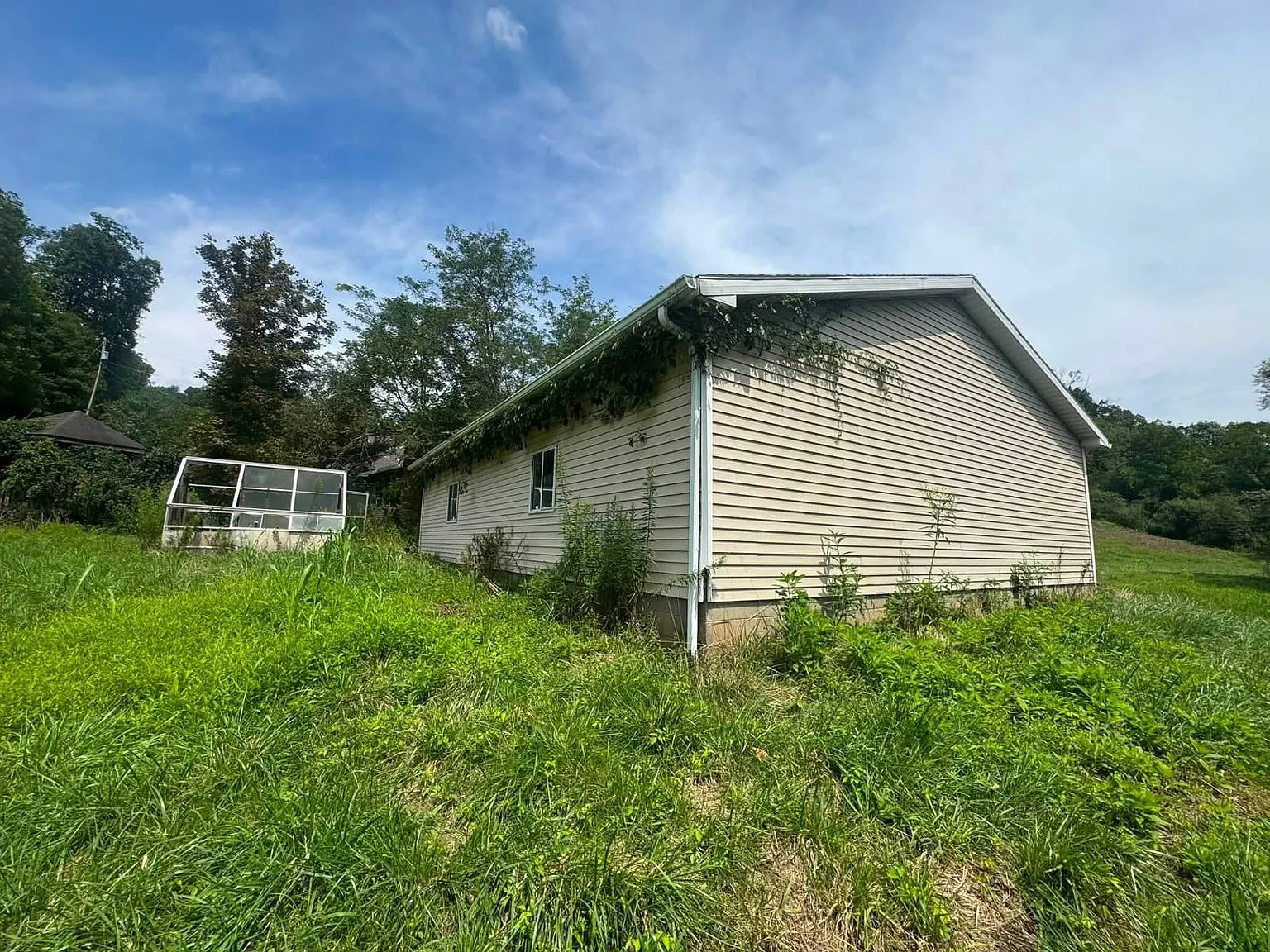
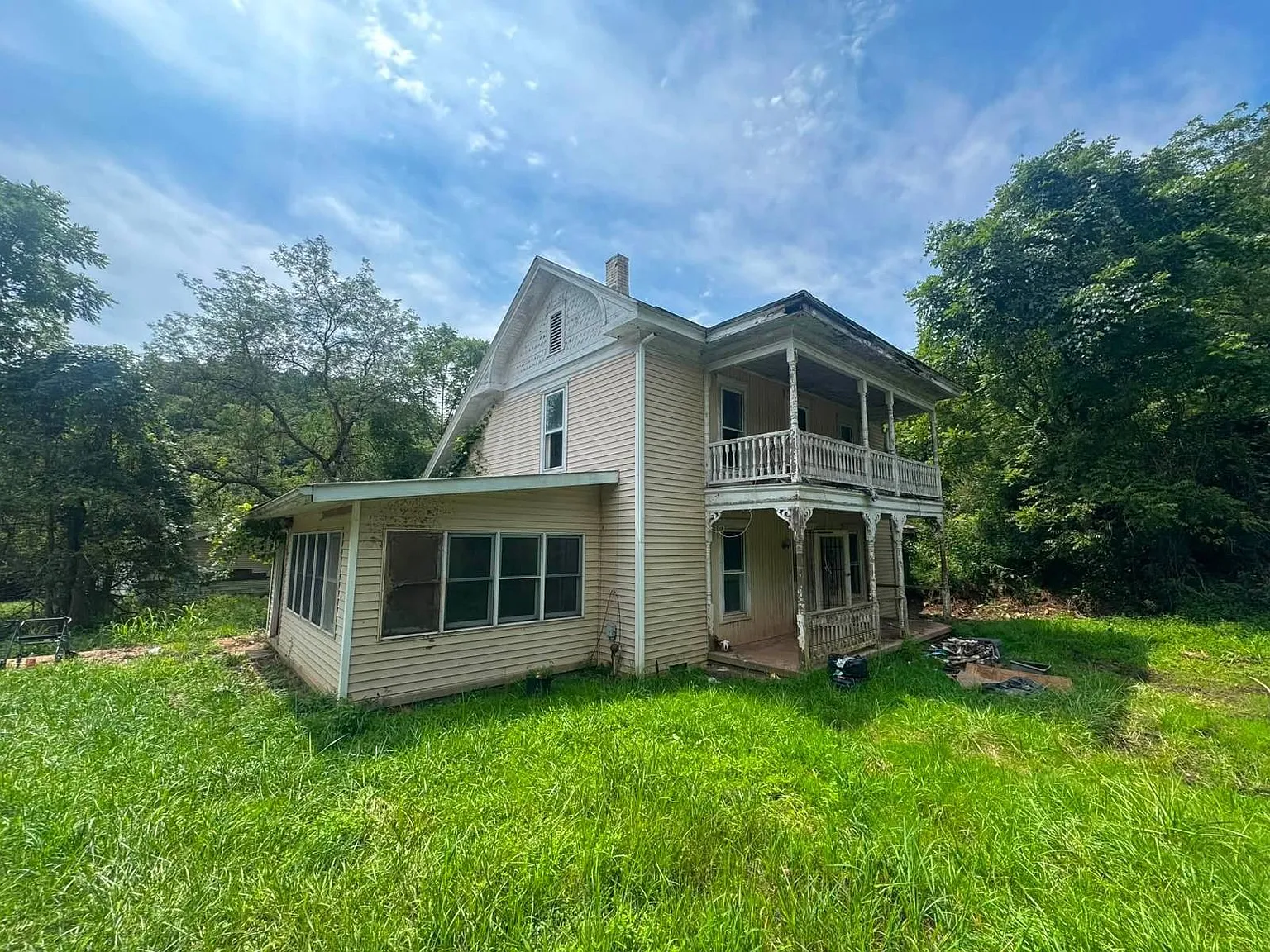
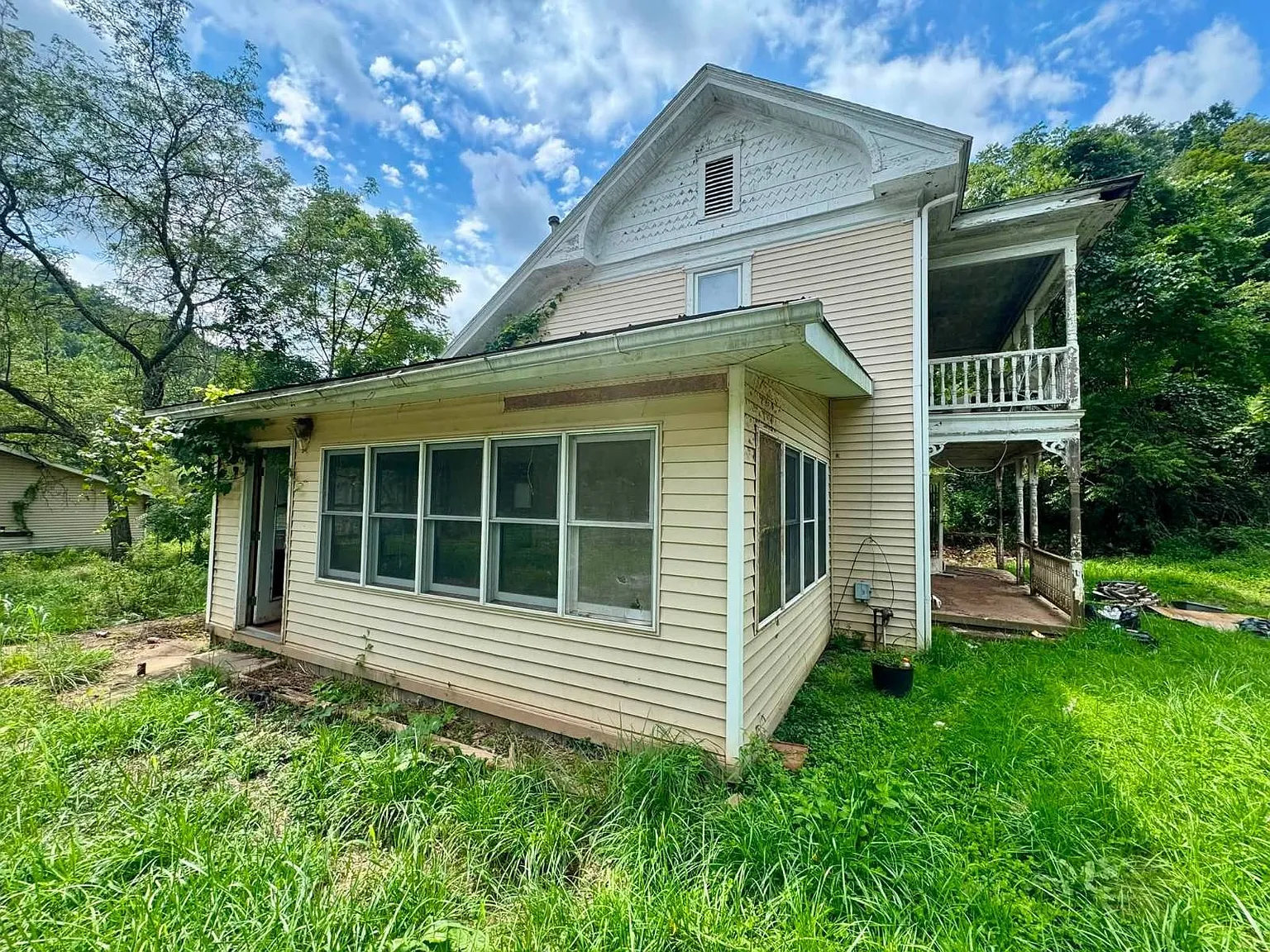
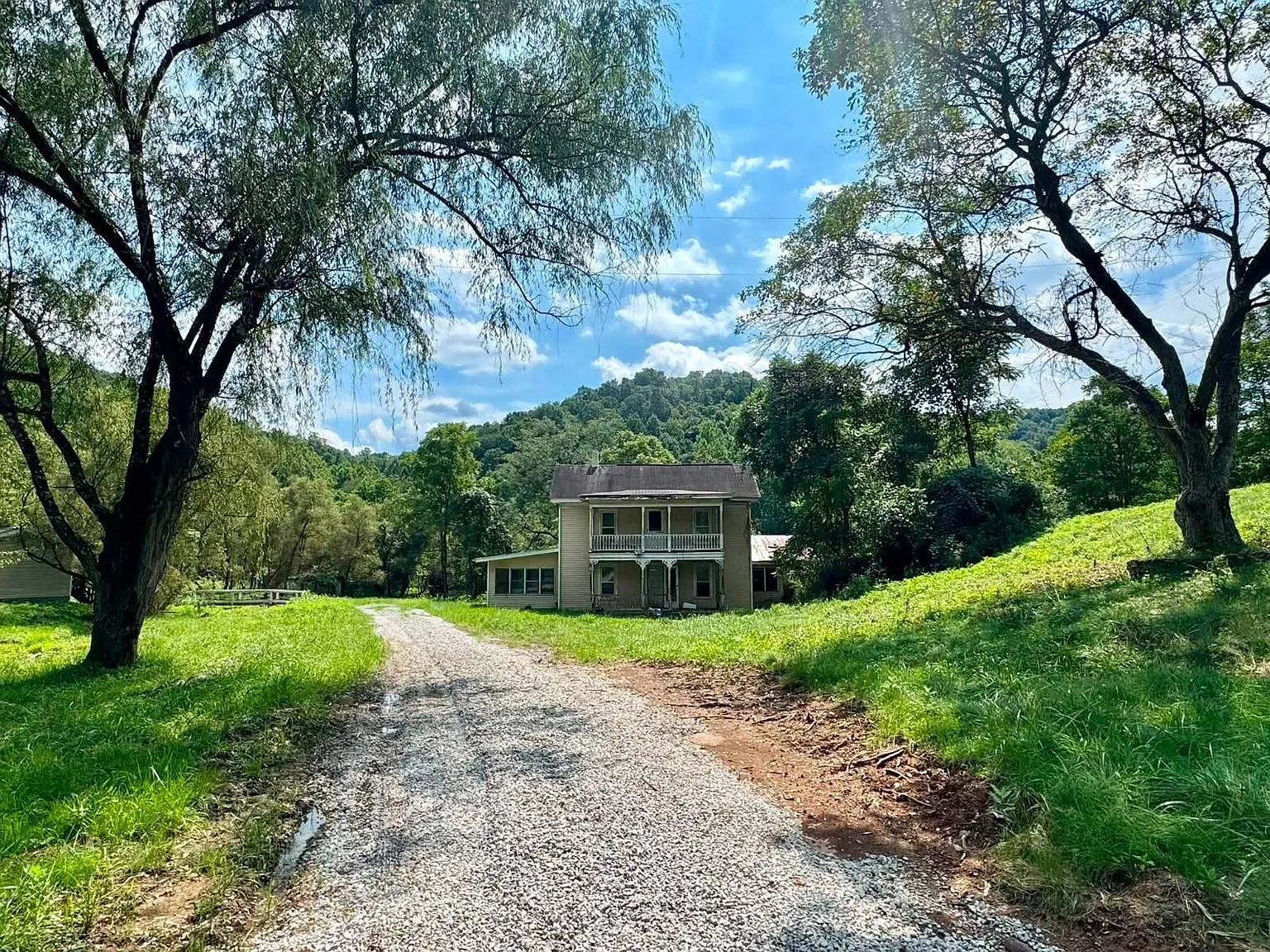
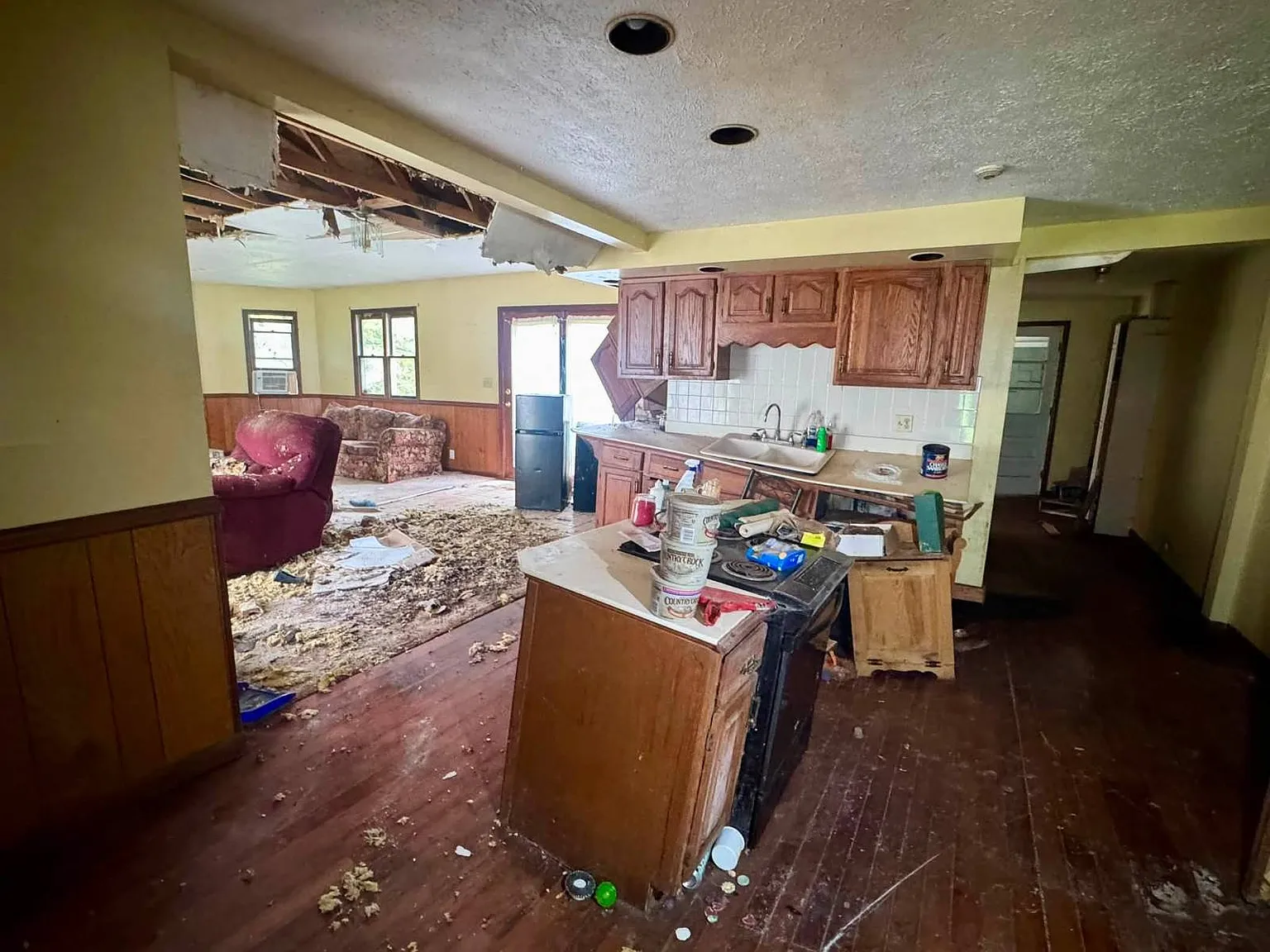
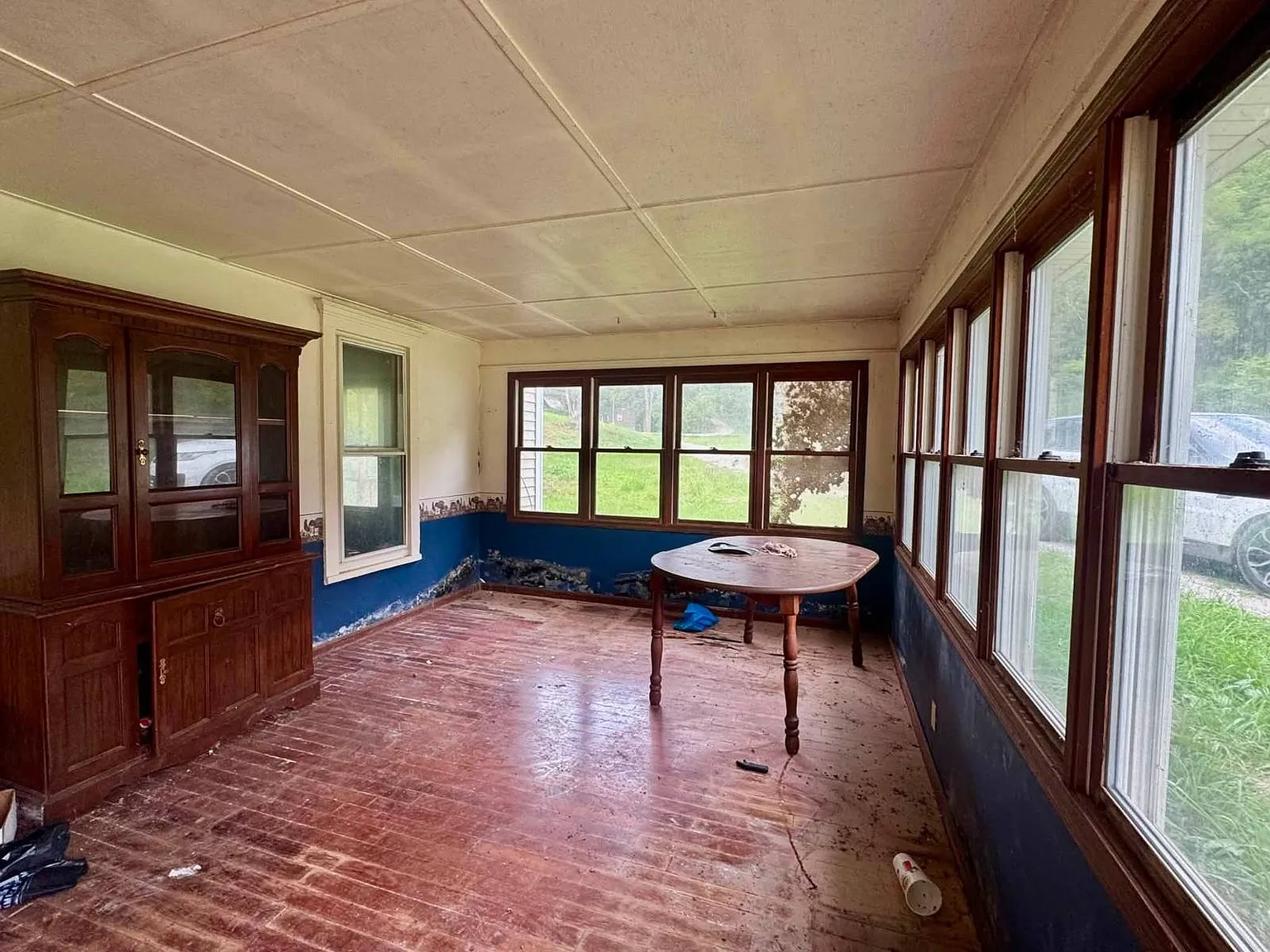
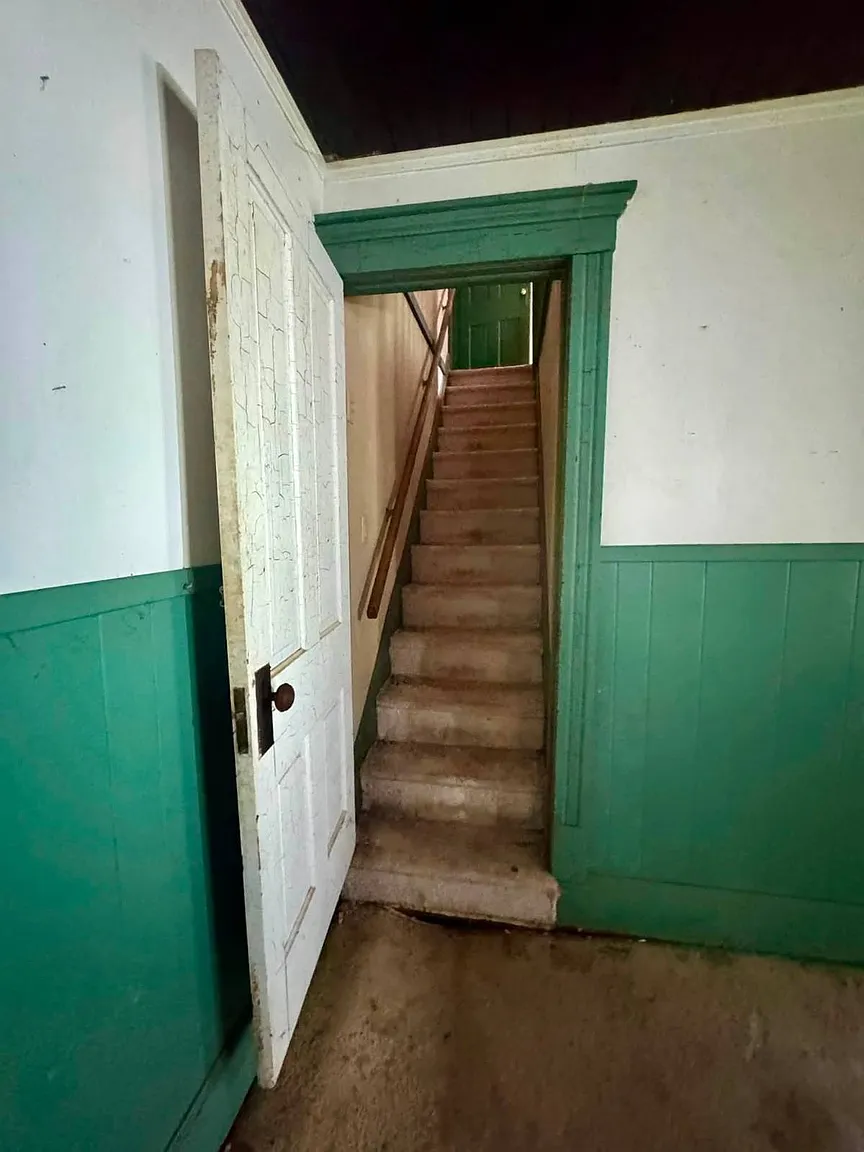
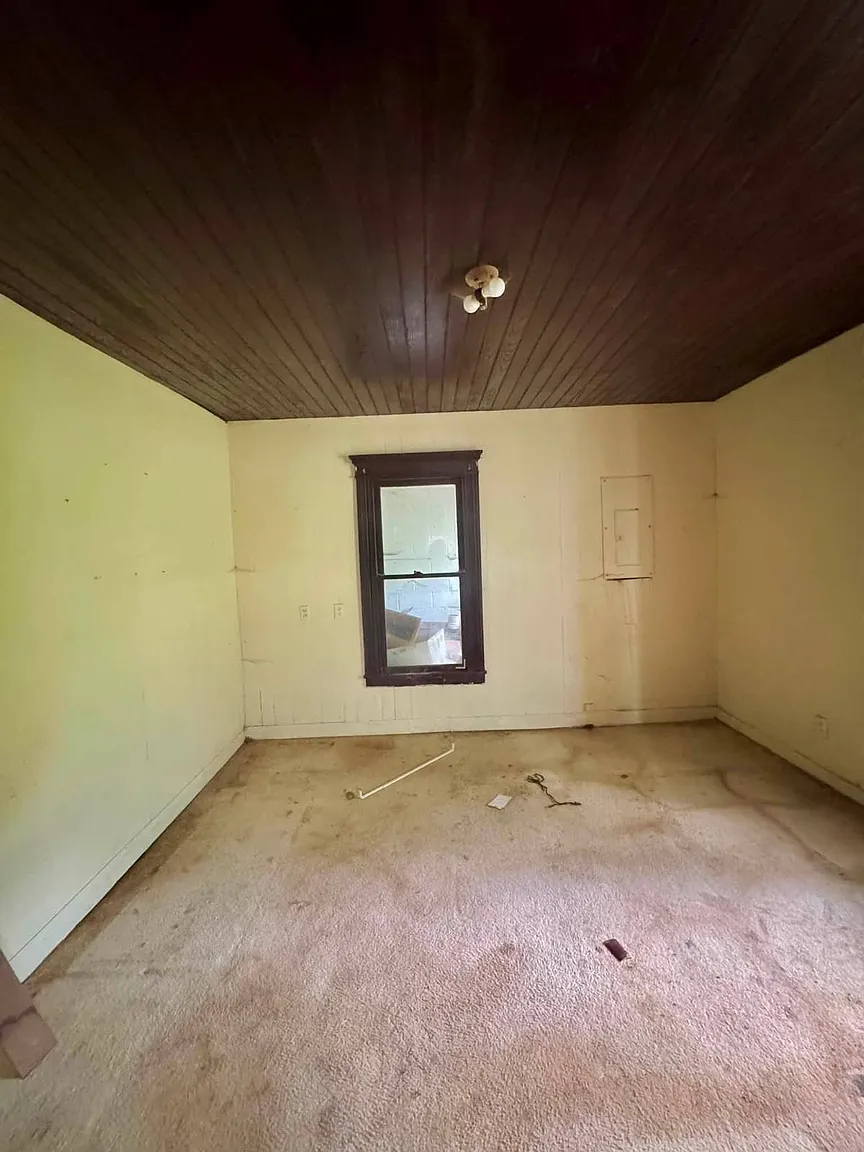
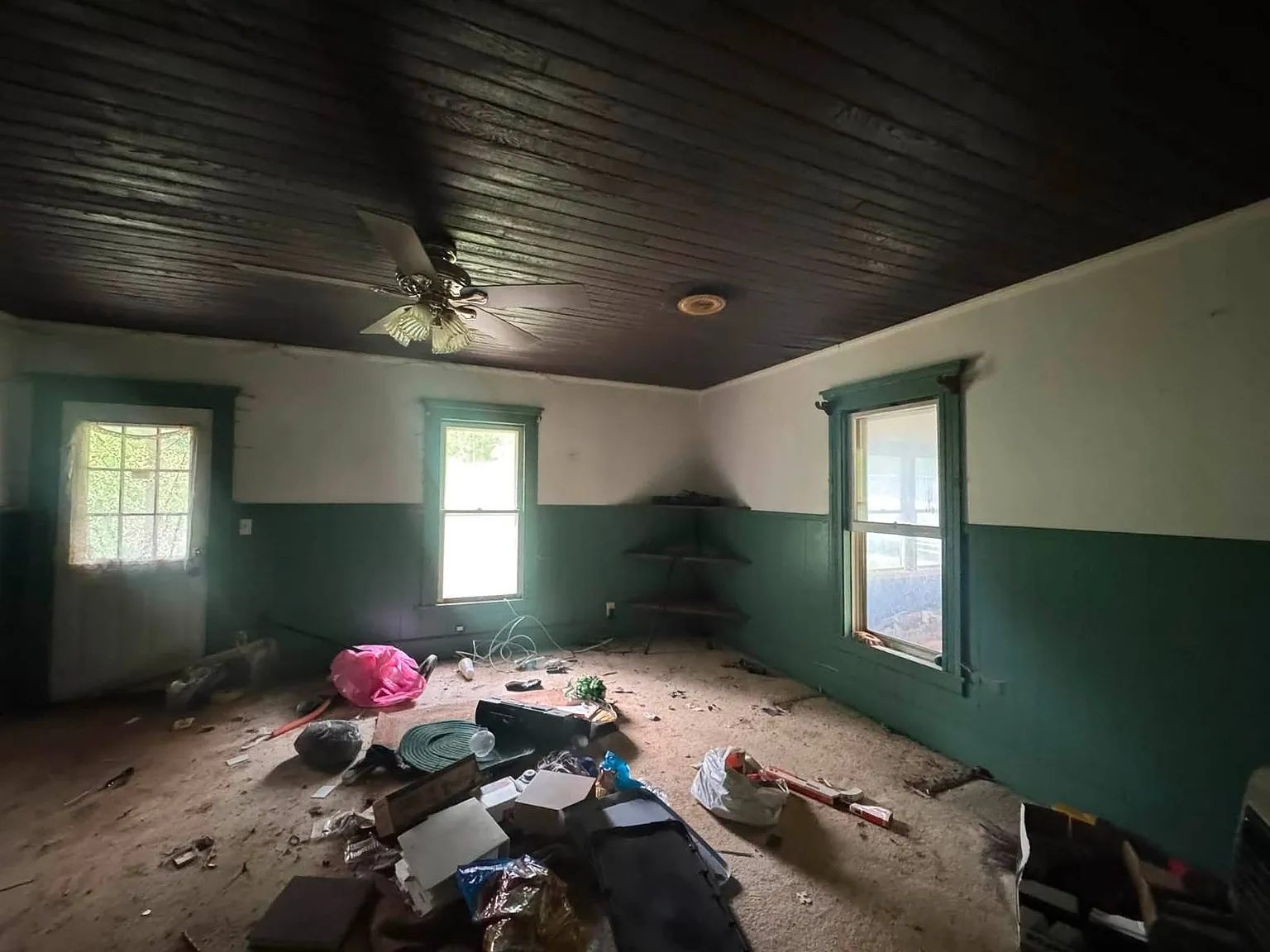
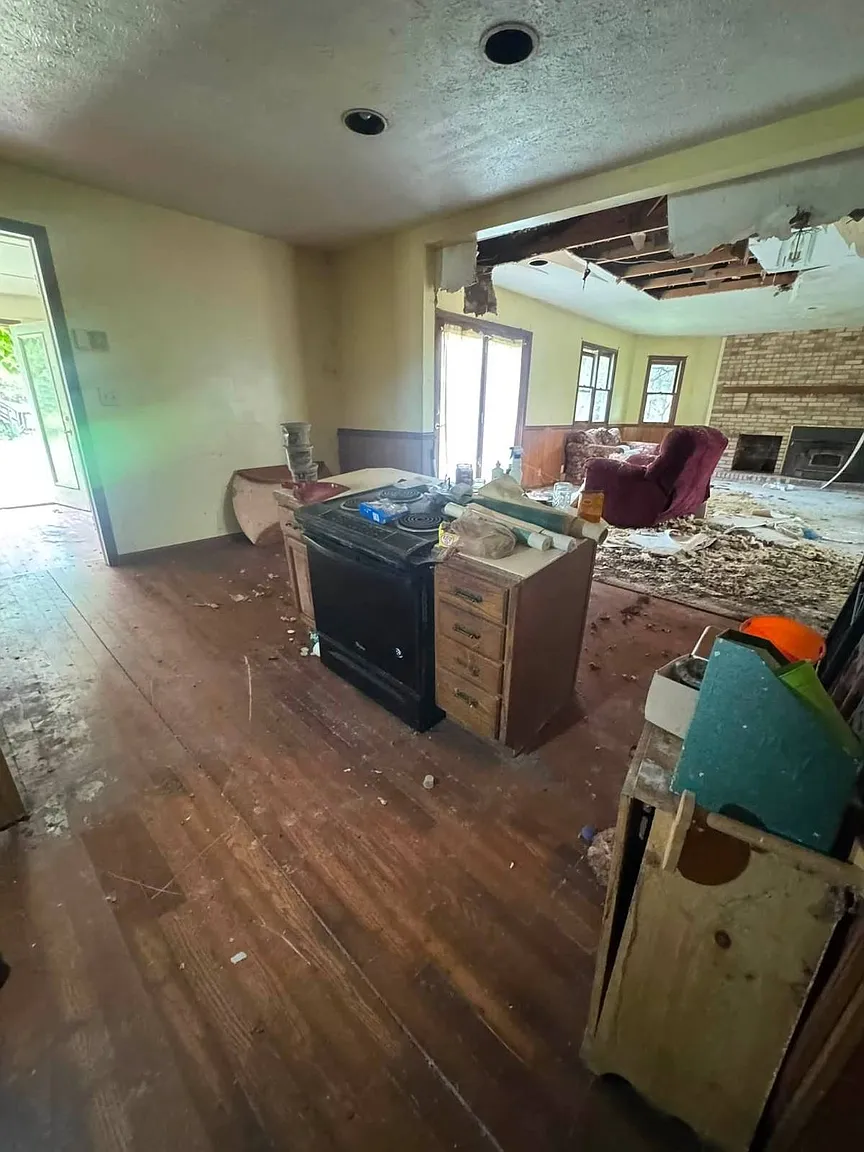
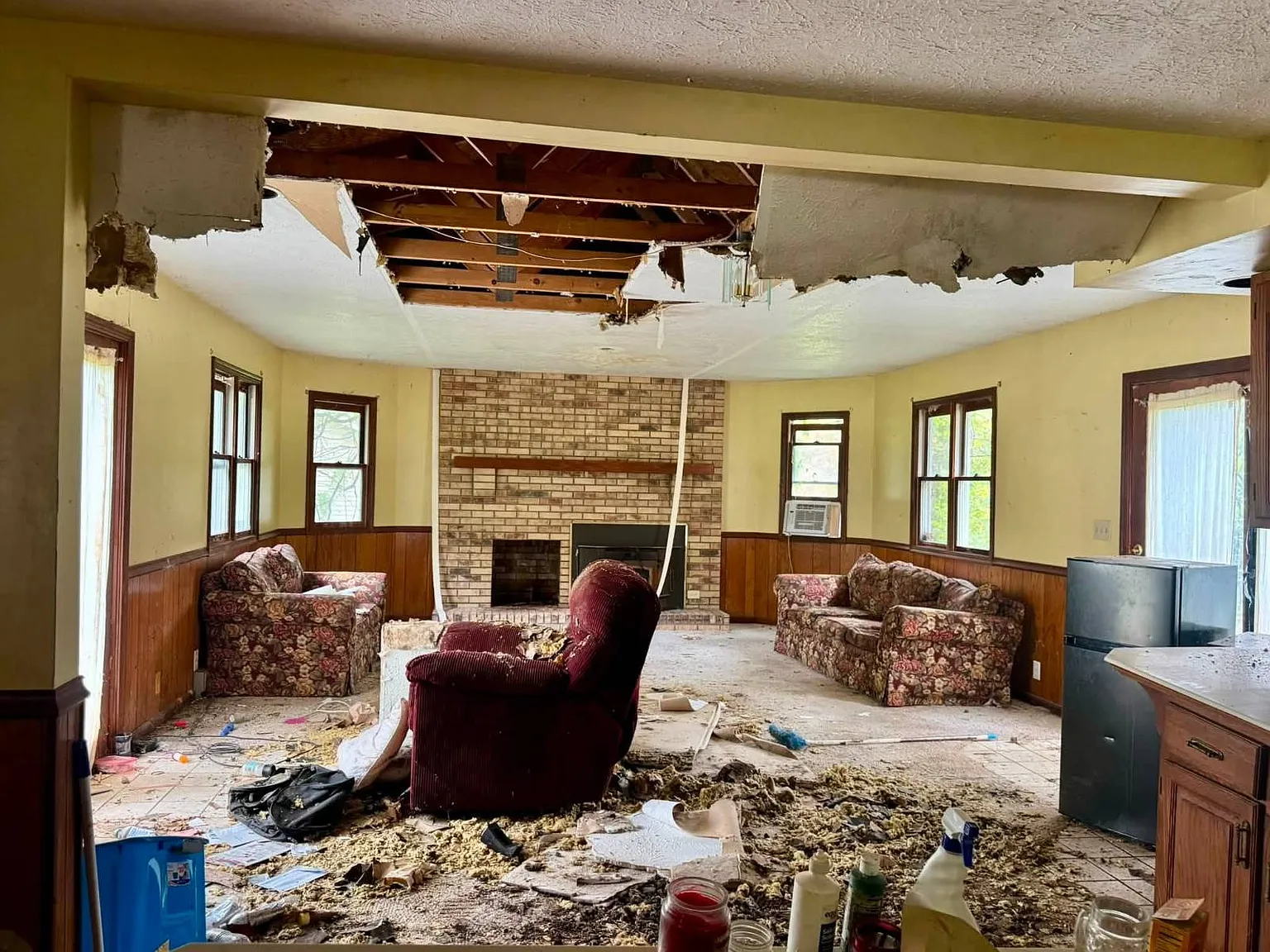
There is also an existing house built in 1940, but the home is currently uninhabitable and would require extensive structural work.
That means this is not a move-in-ready property.
Instead, it is the kind of place that may appeal to someone looking for land with infrastructure already in place and several possible directions for future development.
Nearly 50 Acres of Mixed Rural Land
With approximately 49.62 acres, the property offers enough space for a variety of rural uses.
About 15 acres are cleared.
The remaining acreage is primarily wooded.
That combination may be especially appealing to buyers who want both open ground and privacy.
The cleared sections could potentially be used for pasture, gardens, hay, livestock, or other agricultural purposes, depending on soil quality, drainage, fencing, and local requirements.
The wooded sections may appeal to hunters, outdoor enthusiasts, or anyone looking for additional privacy.
For buyers considering the property seriously, confirming exact boundaries, easements, timber rights, and access would be an important part of the purchase process.
Two Ponds Add Another Layer of Appeal
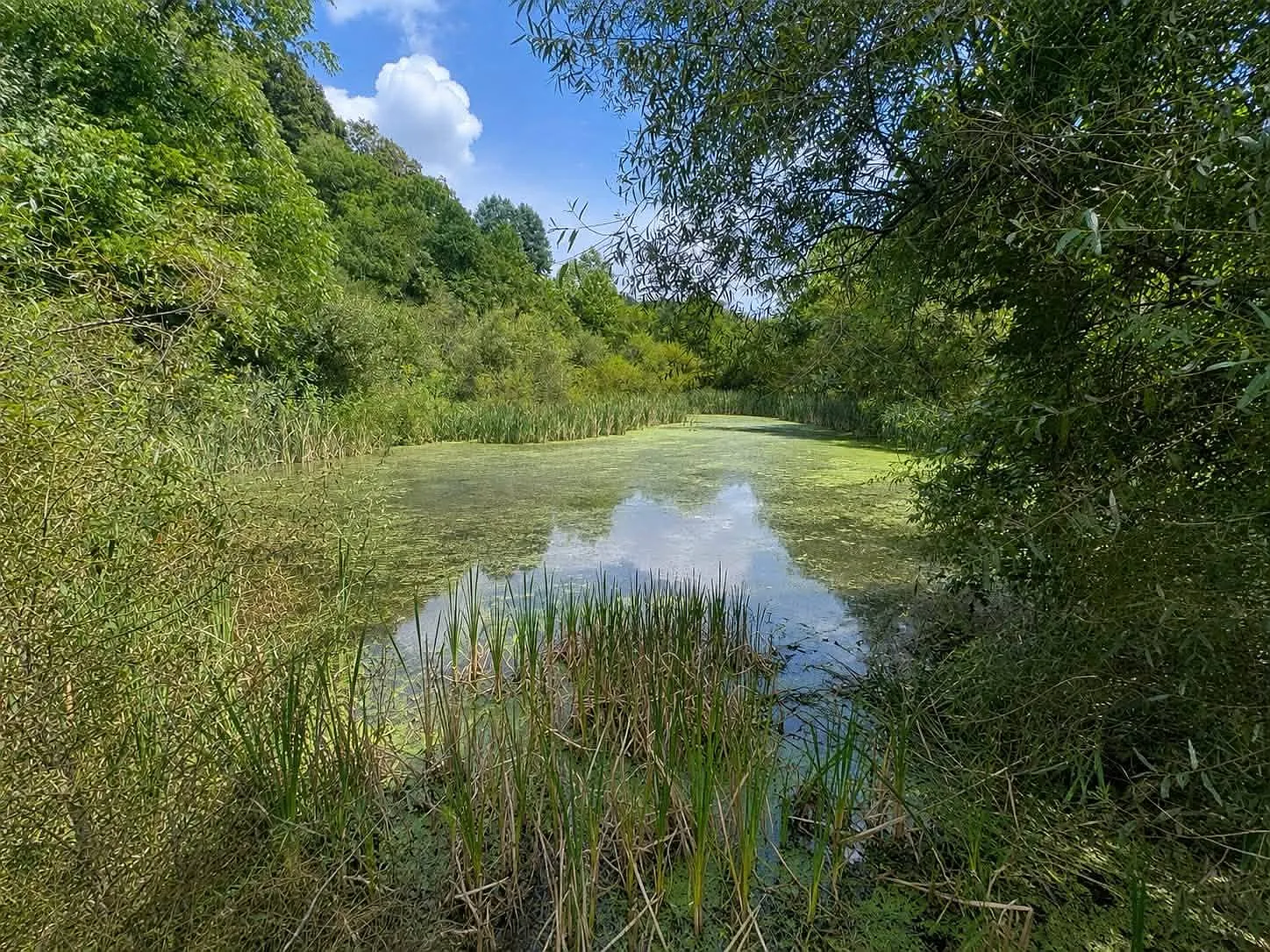
The property includes two ponds.
For a rural buyer, that can be a major feature.
Depending on their condition, the ponds could potentially provide scenic value, wildlife habitat, recreation, or fishing.
However, the listing does not provide details about their depth, size, condition, or whether they are stocked.
That is something a buyer would need to inspect directly.
Drainage, bank stability, seasonal water levels, and overflow should also be evaluated.
There Is Also a Natural Spring
In addition to the ponds, the land includes a natural spring.
Combined with the drilled well, that gives the property more than one water-related feature.
Still, a natural spring should not automatically be treated as a safe drinking-water source.
Its flow, quality, and location would need to be evaluated.
The same applies to any potential livestock use.
Water testing would be a smart step before relying on the spring or well for regular use.
Multiple Potential Home Sites
One of the strongest features listed for the property is the presence of multiple potential home sites.
According to the listing, there are several possible building areas located outside the flood zone.
That gives buyers flexibility.
Someone may decide that restoring the old house is not worth the cost.
Instead, they could investigate building a new home elsewhere on the acreage.
That possibility could make the property more attractive to buyers who want rural land but do not necessarily want a full historic-home restoration project.
Existing Utilities Could Reduce Development Work
Unlike completely raw land, this property already has several important utilities in place.
These include:
- A drilled water well
- A septic system
- Electric service
That can be a significant advantage.
However, the presence of those systems does not guarantee they are currently functional or suitable for a new residence.
The well should be tested for water quality, flow rate, pump condition, and long-term reliability.
The septic system should be professionally inspected.
Buyers should verify tank condition, drain-field performance, permitted capacity, and whether the system could legally serve a future home.
Electrical service should also be checked to confirm whether it is active and whether upgrades would be necessary.
The Existing 1940 House Is a Major Project
There is already a home on the property.
It was built in 1940.
But the listing makes it clear that the house is currently uninhabitable.
That means buyers should view it as a major renovation project rather than usable living space.
An experienced renovator may see potential.
Others may decide that demolition and new construction make more financial sense.
Before assigning value to the structure, a professional inspection would be essential.
Important areas to evaluate would include the foundation, framing, roof, floors, moisture damage, plumbing, electrical systems, drainage, and overall structural stability.
Restoration or Demolition?
This is one of the biggest decisions a future buyer would need to make.
Restoring an older house can sometimes be worthwhile, especially if the structure has unique character or usable components.
But extensive structural repairs can become expensive very quickly.
If the house is beyond practical restoration, demolition costs should also be considered.
Permits, debris removal, disposal requirements, and potential reuse of utility connections could all affect the final cost.
That makes a full inspection and contractor estimate especially important before making assumptions about the old home.
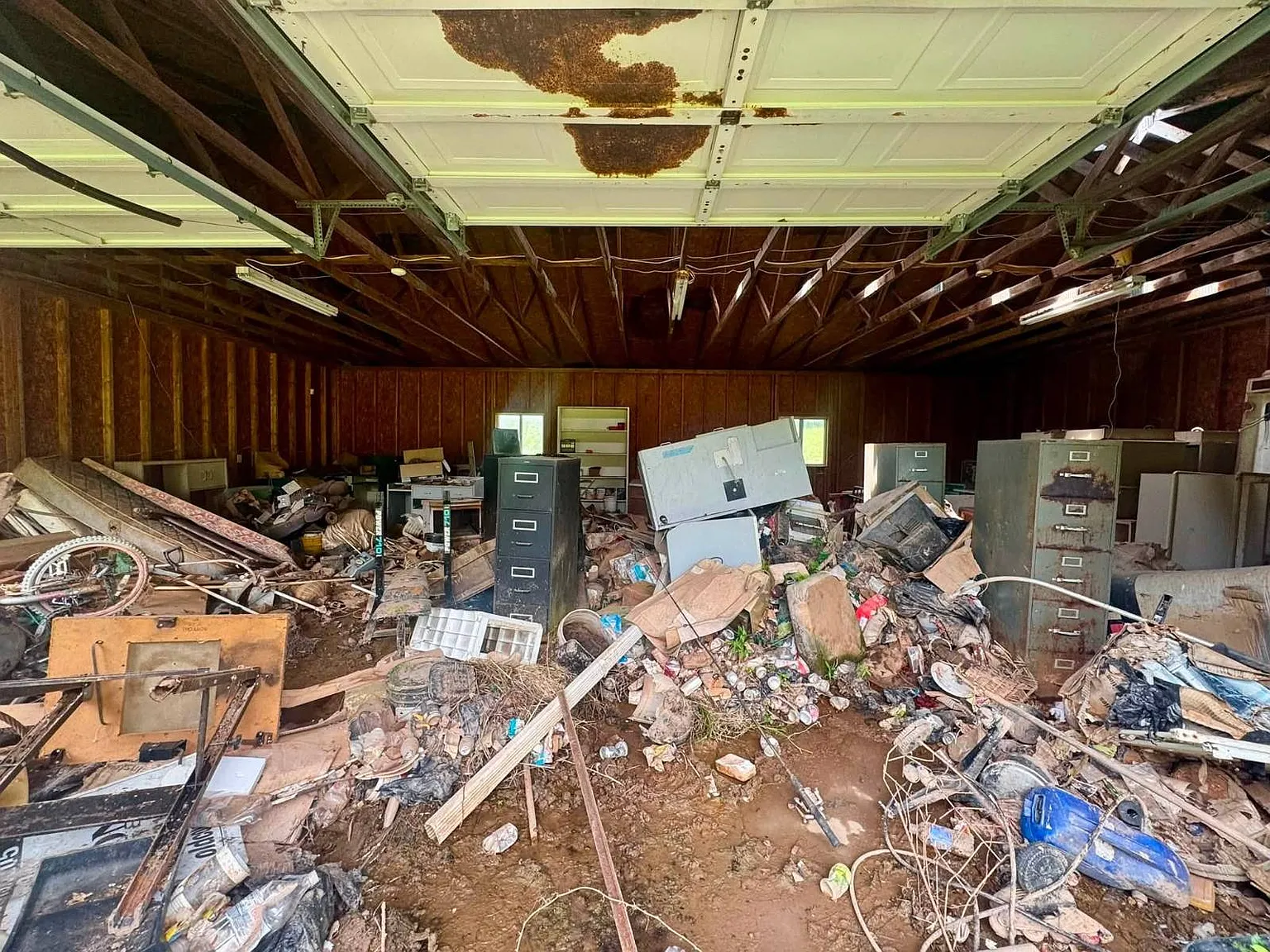
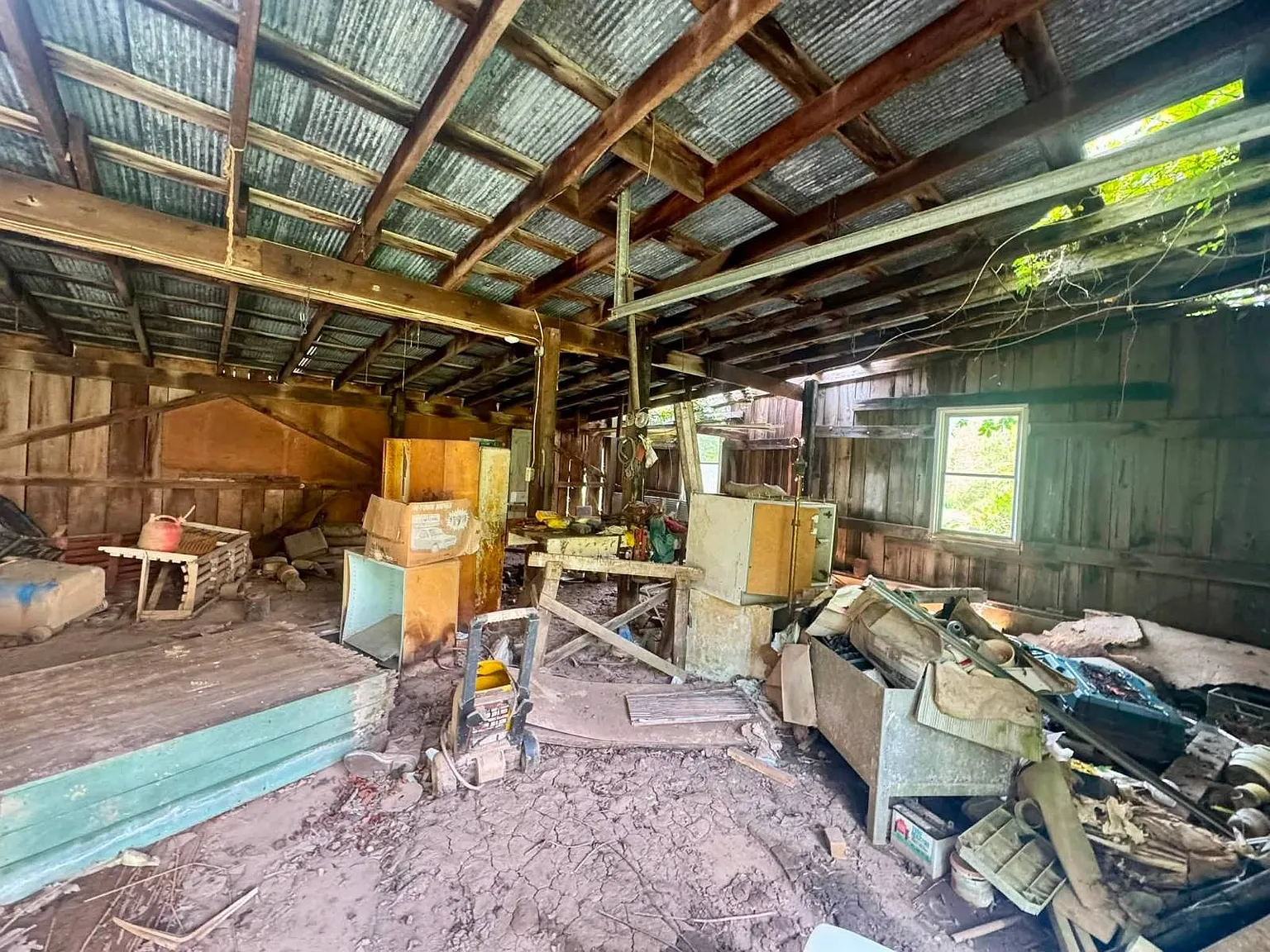
Two Detached Garages Are Included
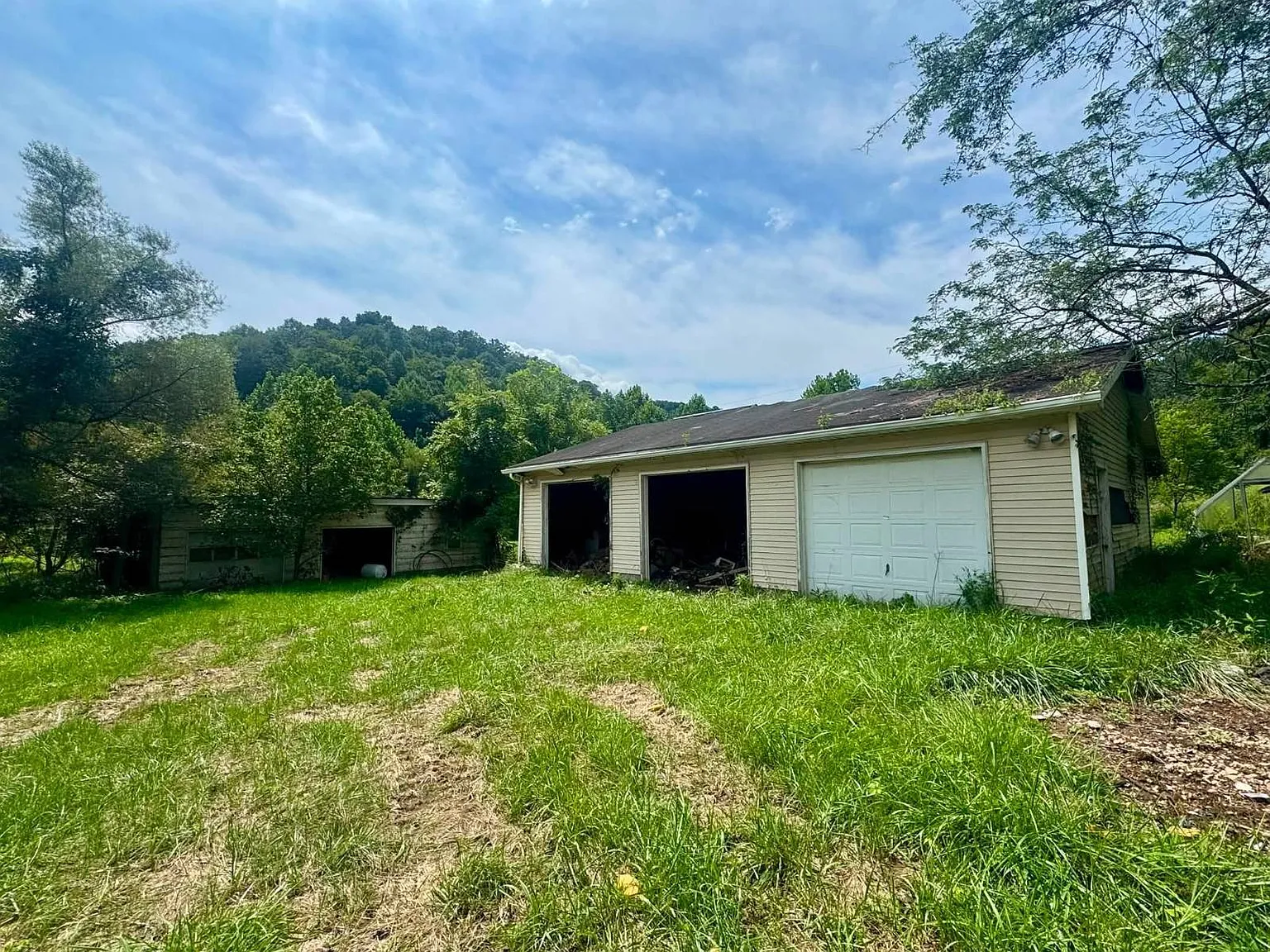
The property also includes two detached garages.
These could eventually provide useful storage for vehicles, tools, tractors, ATVs, construction materials, or workshop equipment.
However, both garages are described as needing cleanout and repair.
They should not be treated as finished, ready-to-use buildings.
Roof condition, framing, foundation integrity, electrical service, pest damage, moisture problems, and doors should all be inspected.
If the structures are salvageable, they could add practical value to the property over time.
Access Is Rural but Not Extremely Remote
The property is described as being less than eight miles from I-77.
That may appeal to buyers who want a rural setting without being completely cut off from a major transportation route.
Access is available from the Medina or Rockport exit.
The final approach to the property is more rural.
It is located on a gravel road about 1.5 miles from paved access.
That makes road conditions an important consideration.
Potential buyers should think about year-round access during heavy rain, snow, or muddy conditions.
It would also be wise to consider whether large delivery trucks, emergency vehicles, and construction equipment can reach the site easily.
The Cleared Land Could Offer Several Uses
The approximately 15 acres of open pasture and bottom land give the property added flexibility.
Depending on conditions, those areas could potentially support:
Pasture.
Gardens.
Hay production.
Livestock.
Small-scale farming.
Or simply open recreational space.
But none of those uses should be assumed without checking the soil, drainage, fencing, and local regulations.
Bottom land can also require additional attention because of drainage and flood concerns.
The Wooded Acreage Adds Privacy
The wooded portion may be one of the biggest attractions for buyers looking for seclusion.
Trees can create natural privacy from roads and neighboring properties.
The woods may also support hunting or recreational use.
However, buyers should confirm timber rights, mineral rights, property lines, and any easements before assuming full control of the wooded acreage.
A current survey would be extremely useful.
This Is the Kind of Property That Requires Due Diligence
The asking price may look appealing for nearly 50 acres, but buyers should understand exactly what they are purchasing.
The house is not currently habitable.
The garages need repairs.
The utilities should be inspected.
The ponds and spring need evaluation.
And any future home site should be checked for zoning, septic suitability, drainage, access, setbacks, and flood risk.
This is not a property where buyers should rely only on listing photos and acreage numbers.
The value depends heavily on the actual condition of the land, structures, access, and infrastructure.
Important Things to Verify Before Buying
A careful buyer would want to investigate several areas before closing.
These include:
The exact survey boundaries.
Easements.
Road maintenance responsibilities.
Timber rights.
Mineral rights.
Flood zones.
Drainage.
Well condition.
Septic condition.
Electrical service.
Pond condition.
Spring location and flow.
Soil suitability.
Building permits.
Potential home sites.
Structural condition of the old house.
Condition of both garages.
Each of these could significantly affect the cost and practicality of developing the property.
Why the Property Still Has Strong Potential
Despite the amount of work involved, the land offers several features that buyers often look for in rural West Virginia.
Nearly 50 acres.
A mix of pasture and woodland.
Two ponds.
A spring.
Existing electric service.
A drilled well.
A septic system.
Multiple potential building sites.
And easy enough access to I-77.
That combination is what gives the property its appeal.
The old house may be a liability for some buyers, but the surrounding land and infrastructure could still make the property interesting.
Who Might Be Interested in a Property Like This?
This type of acreage could appeal to several kinds of buyers.
Someone looking for a future homestead.
A hunter wanting private land.
A buyer searching for recreational acreage.
A family planning to build a rural home.
An experienced renovator.
Or someone simply looking for a larger tract with utilities already present.
The key is having a realistic plan.
Final Thoughts
At $149,000, 1548 Providence Rd offers approximately 49.62 acres of mixed pasture and woodland in rural West Virginia.
The property includes two ponds, a natural spring, existing utilities, two detached garages, and multiple possible home sites.
The 1940 house requires extensive work and should not be viewed as move-in-ready.
For the right buyer, however, the combination of land, water features, utilities, open pasture, and wooded privacy could make this an interesting starting point for a future homestead or recreational property.
The biggest question is not whether the land has potential.
It clearly does.
The real question is how much work, inspection, and investment would be required to turn that potential into something usable.
Would you restore the old 1940 house or build a completely new home somewhere else on the property? Share your choice in the comments.