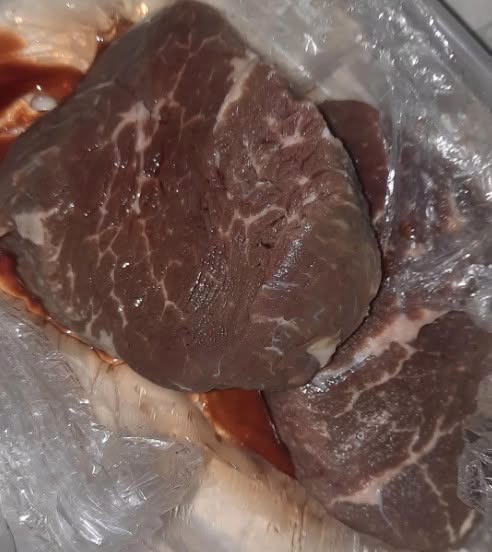
Why Does Fresh Ground Beef Turn Gray? What You Should Know Before Cooking
You open the refrigerator, reach for a package of ground beef, and notice something unexpected: the meat that looked bright red at the store now has a gray or brown patch. Should you throw it away, or is this simply a normal change?
Before making a decision, it helps to understand what gives beef its familiar color—and why appearance alone cannot tell you whether meat is safe to eat.
Why Fresh Beef Is Usually Red
The color of beef comes largely from a protein called myoglobin, which helps store oxygen in muscle tissue. When myoglobin interacts with oxygen, it forms a pigment called oxymyoglobin, giving the meat its bright red appearance.
But not every part of a package receives the same amount of oxygen. Beef pressed tightly against other meat or sealed inside packaging may have less oxygen exposure, causing areas to appear purplish or grayish. Once the meat is exposed to air, its color may change again.
Brown or gray discoloration can also occur as the meat’s pigments change over time. This means a color difference does not automatically indicate spoilage—but it should never be the only factor you consider.
When Should You Be Concerned?
Pay attention to the meat’s storage history, expiration or use-by information, and overall condition. An unpleasant odor or a sticky, slimy surface can be warning signs that the beef has spoiled.
However, there is an important catch: harmful bacteria may be present even when ground beef looks and smells normal. You cannot reliably determine food safety by sight or smell alone.
That is why proper refrigeration and cooking temperatures matter so much.
Simple Food Safety Rules to Remember
To reduce the risk of foodborne illness, follow these practical guidelines:
- Keep it cold: Store raw ground beef at 40°F (4°C) or below.
- Watch the clock: Refrigerate or freeze it promptly. Ground beef should generally be used or frozen within one to two days.
Keep reading…