Bee Sting on the Knee: Symptoms, Treatment, and When to Seek Medical Help
A bee sting on the knee can cause sudden pain, redness, swelling, burning, and itching. Because the knee is constantly moving and bending, even moderate swelling can make walking, climbing stairs, or bending the leg uncomfortable. Most local reactions improve with simple first aid, although swelling may increase during the first 24–48 hours.
What to Do After a Bee Sting on the Knee
Prompt treatment can help relieve discomfort and limit swelling.
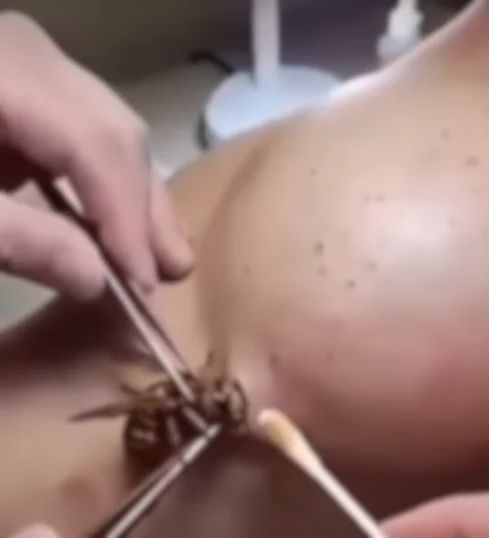
- Remove the stinger. If one remains in the skin, remove it as quickly as possible by scraping it sideways with a fingernail or a flat-edged object. Avoid delaying removal while deciding which method to use.
- Wash the area. Gently clean the sting with soap and water to reduce the risk of infection.
- Apply a cold pack. Wrap ice or a cold pack in a cloth and apply it for 10–20 minutes at a time. Never place ice directly on the skin.
- Elevate and rest the leg. Raising the leg when possible may help reduce swelling and discomfort.
- Manage pain and itching. An appropriate over-the-counter pain reliever or antihistamine may help. Follow the product instructions and check with a pharmacist if you have medical conditions or take other medications.
Try to avoid scratching the sting, as this can further irritate the skin.
When Is a Bee Sting Dangerous?
Most bee stings cause a localized reaction, but some trigger anaphylaxis, a potentially life-threatening allergic reaction that can develop rapidly.
Seek emergency medical attention immediately if symptoms include:
- Difficulty breathing or swallowing
- Swelling of the tongue or throat
- Widespread hives accompanied by other symptoms
- Severe dizziness, fainting, or collapse
- Sudden weakness or other signs of a serious allergic reaction
If an epinephrine auto-injector has been prescribed for an allergy, use it immediately as directed when anaphylaxis is suspected, and call emergency services. Do not wait to see whether symptoms improve.
A severe allergic reaction can occur even when the sting site itself looks relatively mild.
How Long Does Swelling Last?
Pain and redness often begin improving within a few hours, but swelling can become more noticeable over the next day or two. Larger local reactions may take several days—and sometimes up to a week or longer—to settle.
Because the knee is a joint, swelling may temporarily limit movement. Seek medical advice if the swelling is unusually severe, continues to worsen, significantly restricts movement, or does not begin improving. Increasing warmth, spreading redness, pus, fever, or worsening pain may indicate an infection or another complication.
If the sting is directly over the knee joint and the pain or swelling is substantial, a medical assessment is advisable.
How to Care for the Knee While It Heals
During recovery, avoid activities that aggravate the area. Gentle movement may be comfortable, but do not force the knee to bend if doing so causes significant pain. Continue using cold packs intermittently and elevate the leg when resting.
Monitor the sting for changes in pain, redness, and swelling. If symptoms worsen rather than gradually improve, seek medical advice instead of relying solely on home treatment.
The Bottom Line
A bee sting on the knee is usually manageable with prompt stinger removal, gentle cleaning, cold compresses, and rest. Swelling may temporarily make walking or bending difficult, but most local reactions resolve without lasting problems.
The most important step is recognizing the warning signs. Difficulty breathing, throat swelling, fainting, or other symptoms of anaphylaxis require immediate emergency treatment. Severe or worsening symptoms at the knee also warrant medical evaluation.