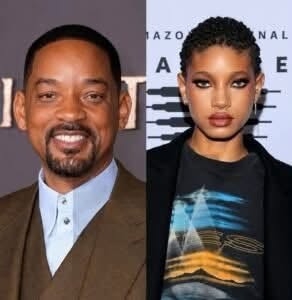
Will Smith’s Daughter Willow Opens Up About Growing Up in One of Hollywood’s Most Famous Families
Willow Smith has spent much of her life in the public eye, but her journey has involved far more than simply being the daughter of Hollywood superstar Will Smith. Through her music, personal reflections, and evolving public identity, she has offered glimpses into the challenges of growing up surrounded by fame and expectations.
For years, audiences have recognized Willow as part of one of entertainment’s most talked-about families.
Her father, Will Smith, became an international star through his successful music career, The Fresh Prince of Bel-Air, and blockbuster films such as Men in Black, Independence Day, and The Pursuit of Happyness.
Her mother, Jada Pinkett Smith, established her own career in film and television while becoming known for openly discussing family relationships and personal experiences.
But growing up with famous parents brought Willow a level of attention that most children never experience.
Growing Up Under Hollywood’s Spotlight
Born in October 2000, Willow Smith entered an entertainment world already familiar with her family.
She made her film debut alongside her father in I Am Legend in 2007, introducing audiences to her acting abilities at a young age.
However, it was her music that eventually brought her widespread recognition.
In 2010, Willow released Whip My Hair, a successful single that quickly established her as a young recording artist.
The song became a cultural phenomenon and introduced her to international audiences.
Yet the attention that accompanied early success also created challenges.
As Willow matured, she began discussing the pressures associated with childhood fame and the importance of developing an identity beyond public expectations.
Willow Smith’s Reflections on Fame and Personal Identity
Throughout her career, Willow has spoken about navigating the entertainment industry while discovering her own creative direction.
Rather than following a single musical style, she has experimented with alternative rock, pop, R&B, and other genres.
Continue reading…