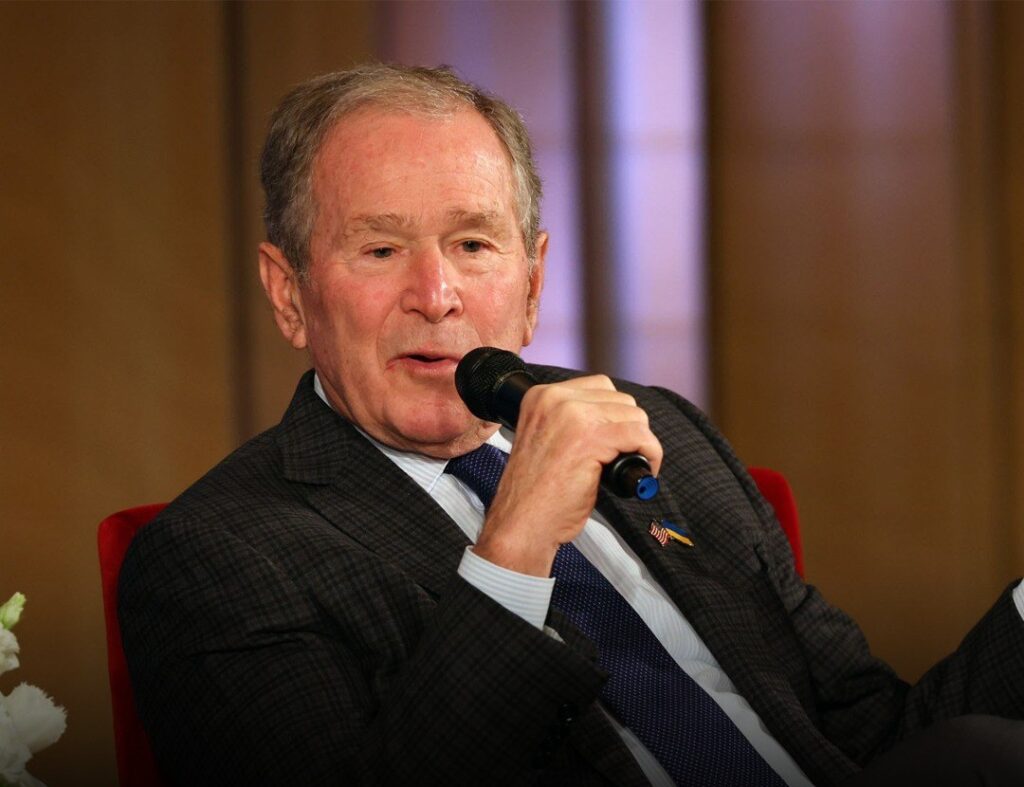
James Buchanan (1857–1861)
Buchanan struggled to prevent Southern secession, failing to confront the nation’s deepening divide. By supporting pro-slavery policies like the Lecompton Constitution in Kansas, he left the Union unprepared for the Civil War.
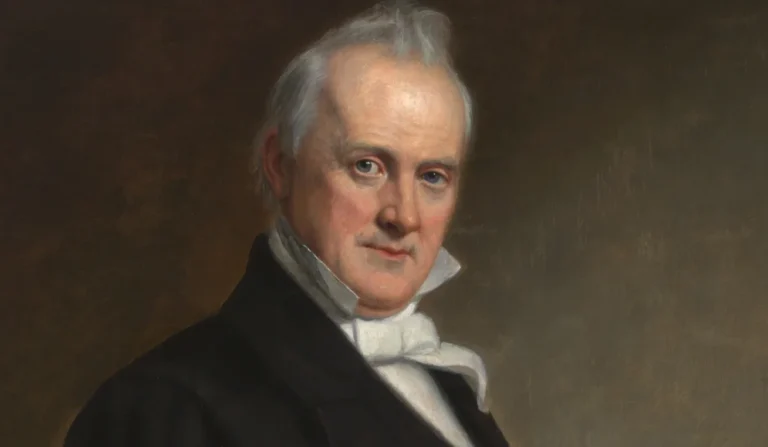
Herbert Hoover (1929–1933)
Hoover faced the Great Depression but relied on a limited government approach that fell short. Unemployment soared, banks failed, and public confidence collapsed, showing the risks of rigid economic policy in a crisis.
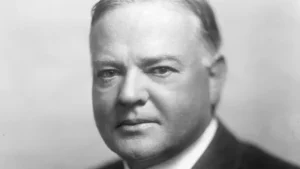
Richard Nixon (1969–1974)
While Nixon achieved diplomatic breakthroughs, like opening relations with China, his legacy is forever marred by Watergate. Abuse of power and cover-ups led to his resignation and permanently damaged trust in government.
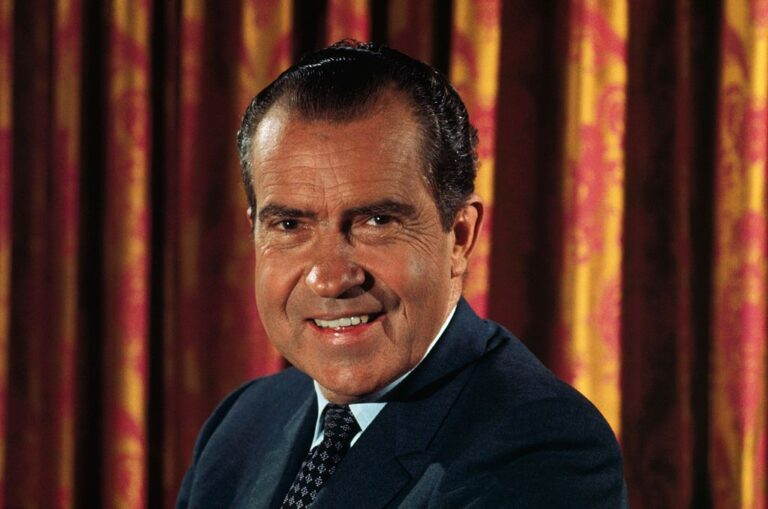
Andrew Jackson (1829–1837)
Jackson expanded democracy for white men but enforced the Indian Removal Act, causing the Trail of Tears and thousands of deaths. His aggressive executive style and disregard for minority rights make his presidency highly controversial.
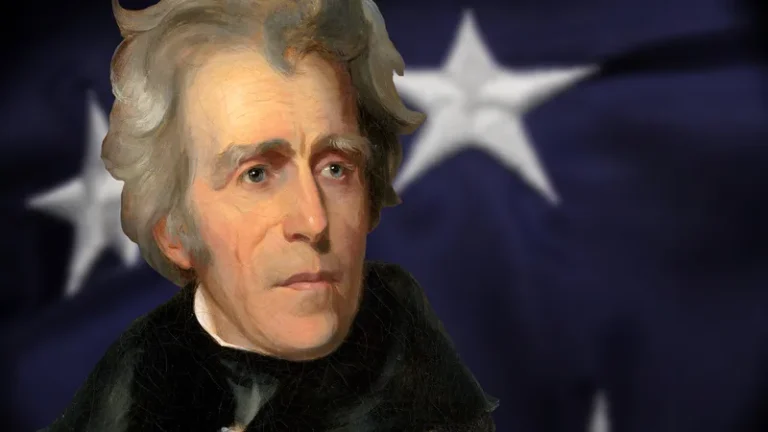
George W. Bush (2001–2009)
Bush’s leadership was defined by 9/11, the War on Terror, and the Iraq invasion. Flawed intelligence, long-term military conflicts, and domestic crises like Hurricane Katrina and the 2008 financial meltdown raised serious questions about his judgment.
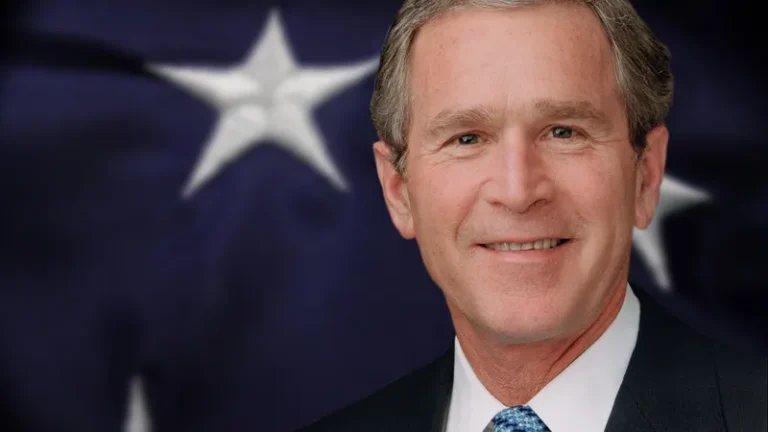
Lyndon B. Johnson (1963–1969)
Johnson passed landmark civil rights and social programs, but the Vietnam War overshadowed his achievements. Escalating conflict eroded public trust and sparked national unrest.
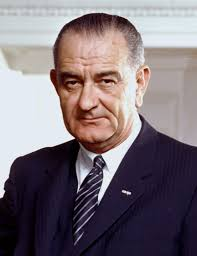
Jimmy Carter (1977–1981)
Honest and focused on human rights, Carter faced high inflation, unemployment, and the Iran hostage crisis. Despite wins like the Camp David Accords, his presidency left many questioning his effectiveness.
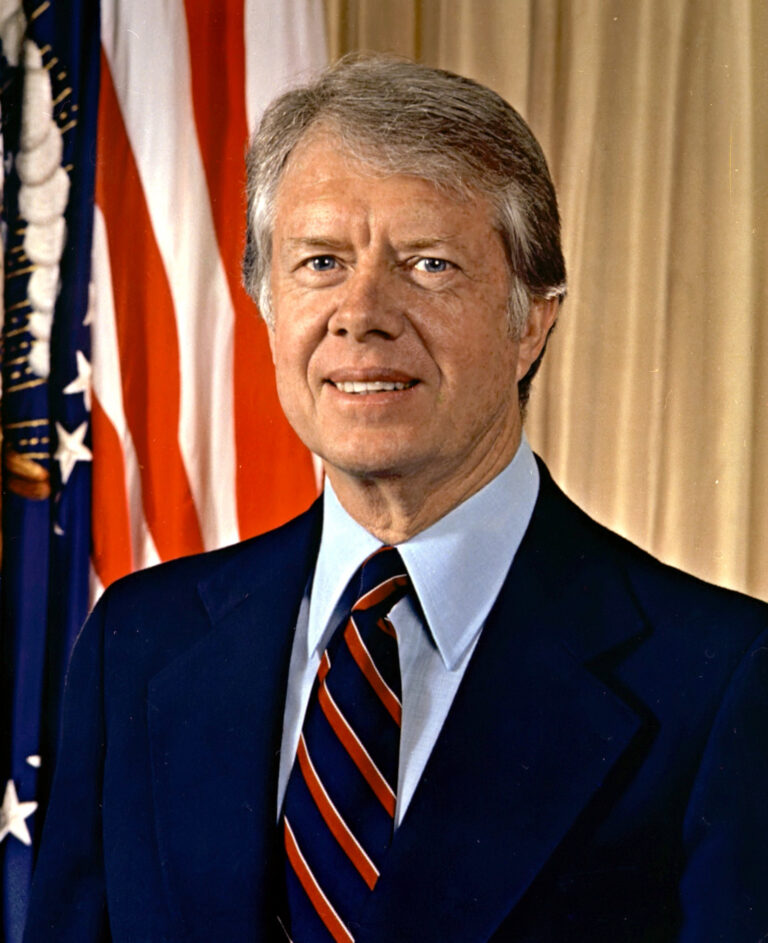
Barack Obama (2009–2017)
Obama stabilized the economy and expanded healthcare through the Affordable Care Act. Yet critics highlight drone warfare, Middle East challenges, and mixed foreign policy results as points of contention.
What We Learn from Presidential Failures
Judging a presidency is never simple. Crises, ideology, and personal leadership style all shape outcomes. Patterns of inaction, overreach, or poor judgment often define controversial leaders. Studying these histories reminds us of the importance of accountability, transparency, and thoughtful decision-making in a democracy.
What do you think about these presidential legacies? Could today’s leaders face similar scrutiny? Share your thoughts in the comments and join the conversation!