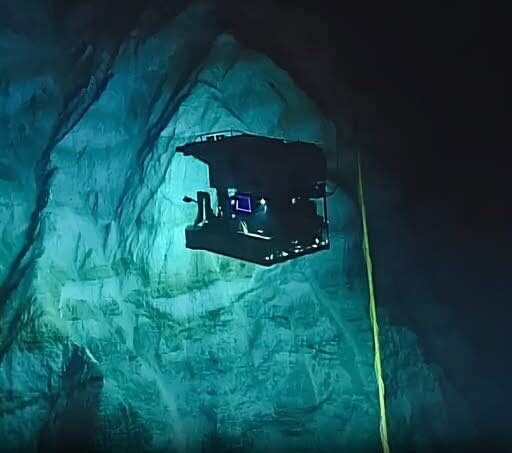
For decades, the Mariana Trench—the deepest part of the world’s oceans—was considered untouched, a remote abyss beyond human reach. Today, that illusion is shattered. Researchers have discovered plastic debris, including a discarded bag, at the ocean’s deepest known point. This shocking find highlights a sobering truth: no part of the planet, no matter how remote, is immune to human impact.
Life Struggles in the Depths
Despite crushing pressures and near-freezing temperatures, the trench supports a surprising variety of life. Corals, crustaceans, and other deep-sea species thrive in this extreme environment. But studies show that roughly 17% of plastic waste found in the deep sea interacts directly with marine life—through ingestion, entanglement, or other harmful ways. These fragile ecosystems, evolved over millions of years, now face threats from something as mundane yet destructive as a plastic bag.
How Plastic Gets There
Much of this deep-sea pollution comes from land. Everyday items—water bottles, shopping bags, wrappers—enter rivers, streams, and eventually the ocean. Around 80% of ocean plastic originates on land, carried by waterways into the sea, where currents can transport it thousands of miles. Single-use plastics account for nearly 90% of what researchers find in deep-sea environments. Ships, abandoned fishing gear, and maritime debris add to the load, creating a growing crisis that spans the globe.
Continue reading on next page…