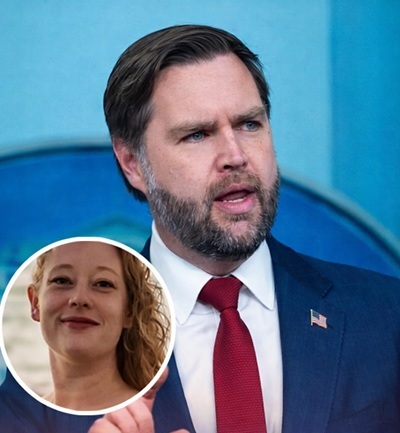
Vance said the officer was “performing his job” during the incident and that Minnesota authorities pursuing criminal charges would not be appropriate under federal law. This has raised questions about the balance between federal immunity and state oversight in law enforcement operations.
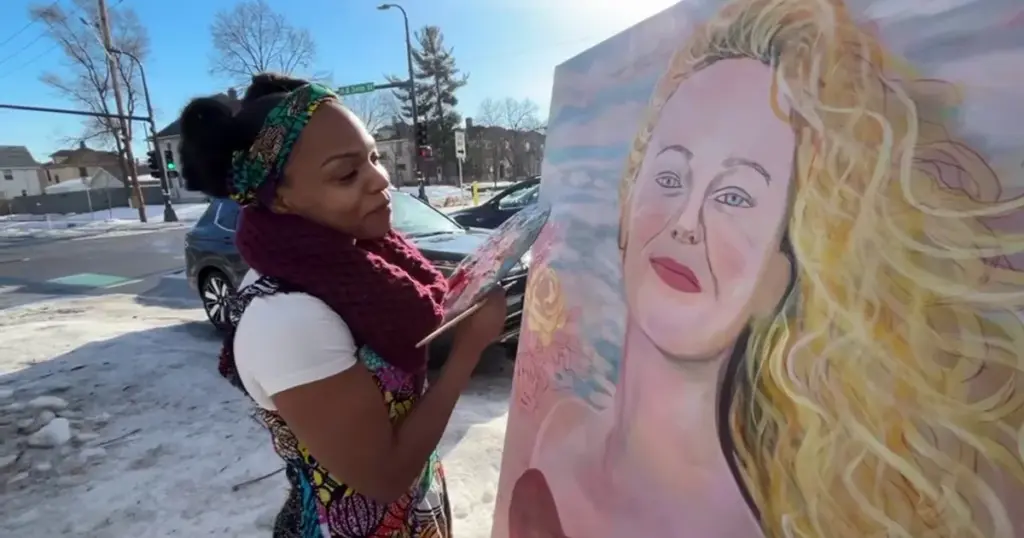
State officials, including the Minnesota Bureau of Criminal Apprehension (BCA), reported that they were denied access to key evidence and investigative processes. Superintendent Drew Evans confirmed that the U.S. attorney’s office restricted state investigators’ participation, leaving the Federal Bureau of Investigation (FBI) in control of the case. This limited access prevented state authorities from independently reviewing surveillance footage, interviewing witnesses, or collecting evidence.
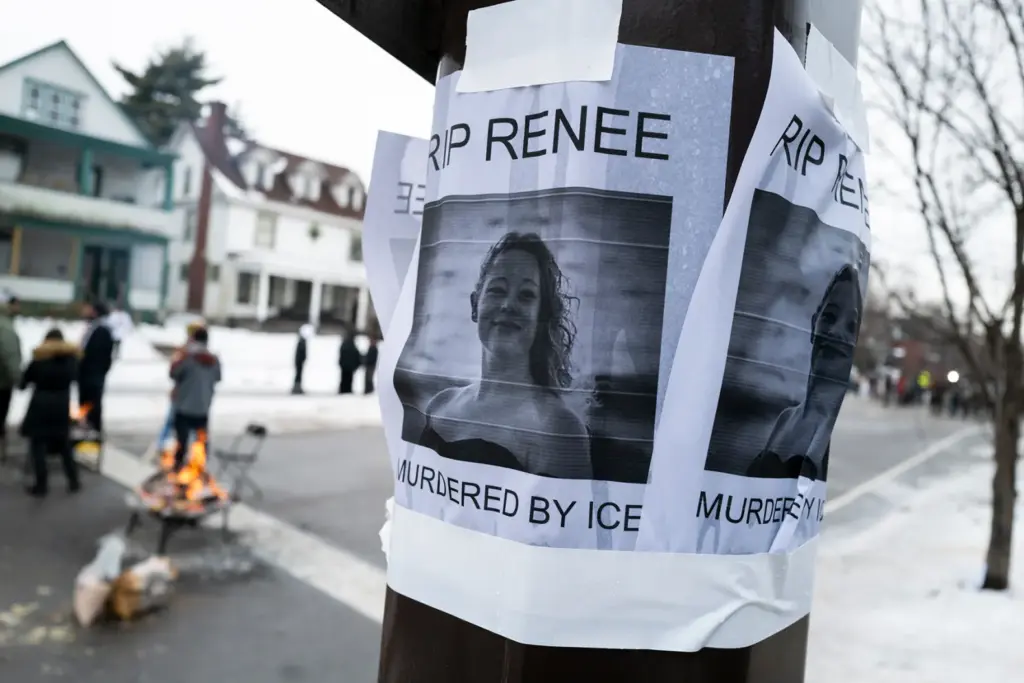
Federal agencies have characterized the incident as a law enforcement action in response to a perceived threat. The Department of Homeland Security stated that Good “weaponized her vehicle,” while federal officials have classified the case as an act of domestic terrorism.
Local leaders, including Minneapolis Mayor Jacob Frey, have questioned the federal characterization of the incident. Mayor Frey called for an independent review and expressed concern over the use of lethal force, stating that eyewitness accounts and preliminary evidence may not fully align with the federal narrative.
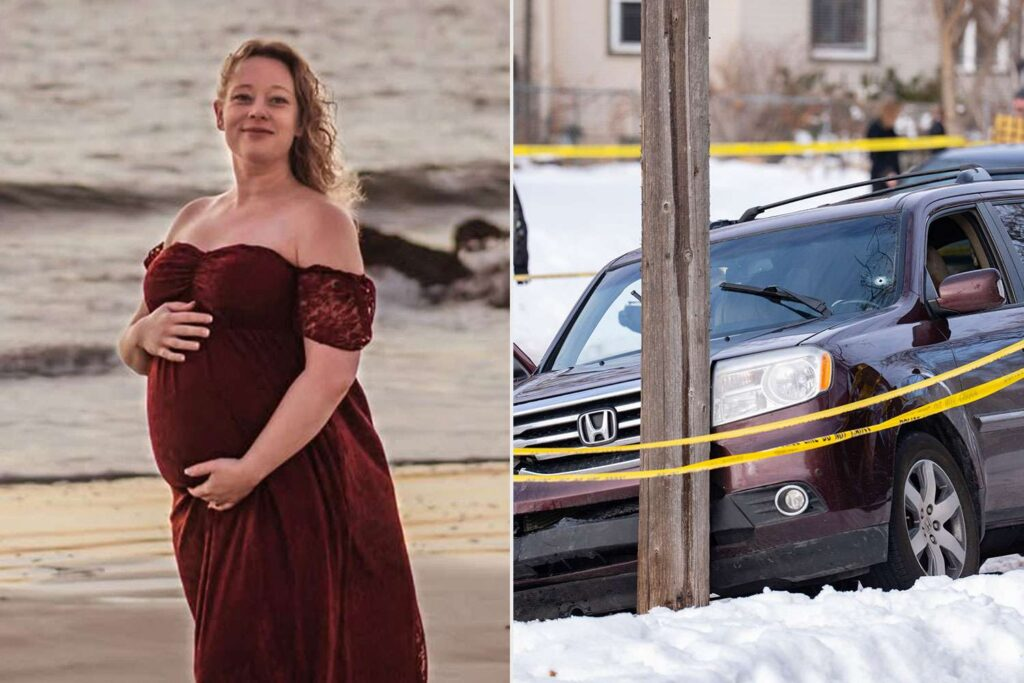
Legal experts note that “absolute immunity” is a longstanding principle intended to protect federal officers performing official duties from civil or criminal liability. However, this protection is generally applied when officers act lawfully and follow established protocols. Immunity may not apply in cases of gross negligence, intentional misconduct, or actions outside the scope of official duties.
The case has prompted discussion among scholars, policymakers, and civil rights advocates about the scope of federal immunity, state participation in investigations, and accountability for civilian deaths involving federal officers. Some have recommended creating joint federal-state investigative task forces or independent review boards to provide oversight without interfering with law enforcement operations.
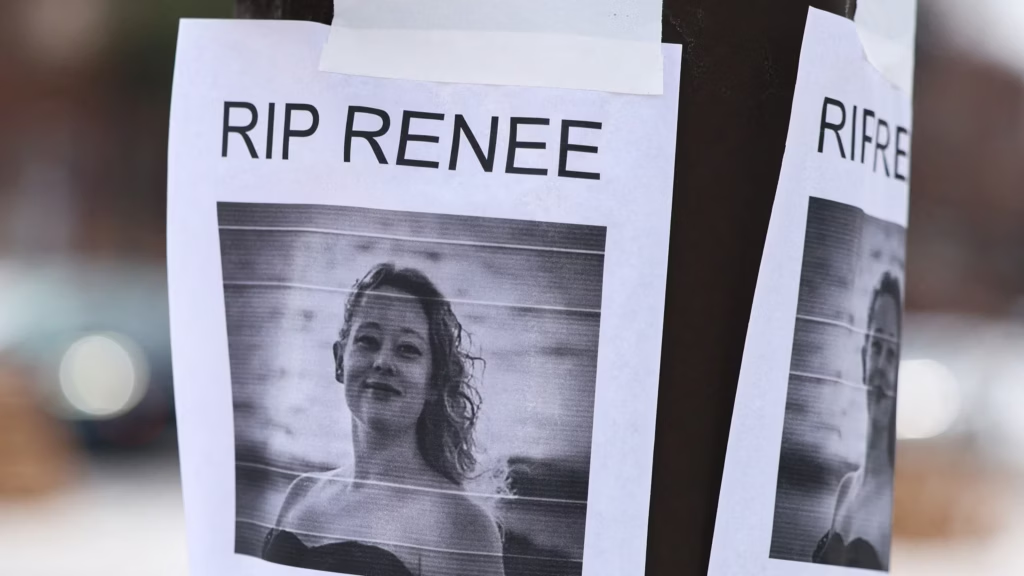
Public response to the case has been mixed. Advocacy groups and some local residents have expressed concern that limited state involvement in the investigation may reduce transparency, while supporters of federal law enforcement argue that legal protections are necessary for officers to carry out their duties effectively in high-risk situations.

The situation highlights ongoing questions about the relationship between federal law enforcement agencies and state or local authorities. Historically, state participation in investigations involving civilian deaths has been standard practice to ensure transparency and public confidence in the findings. The current restrictions on state access in this case have renewed debate over how to balance federal operational authority with community trust and accountability.
As investigations continue, the case of Renee Nicole Good remains a focal point for discussions about law enforcement practices, federal immunity, and oversight mechanisms. Ensuring thorough and transparent investigations is viewed as critical for maintaining public confidence while allowing federal officers to perform their duties safely.