The Incident and Immediate Aftermath
Renee Nicole Good, a Minneapolis resident and mother, died on January 7 during an encounter with federal immigration officers. According to federal authorities, the shooting occurred while officers were conducting enforcement operations in the Twin Cities area.
Video footage shared publicly shows Good’s vehicle surrounded by officers before shots were fired. The vehicle then traveled a short distance before coming to a stop after striking nearby objects. The full sequence of events leading up to the shooting remains under investigation.
Federal agencies, including the Department of Homeland Security (DHS), have stated that the officer acted in self-defense, alleging that the vehicle posed an immediate threat. Officials have characterized the incident as occurring during a rapidly evolving and dangerous situation.
Federal Position: Self-Defense and Legal Protections
Senior federal officials, including Vice President JD Vance and Homeland Security Secretary Kristi Noem, have publicly defended the actions of the officer involved. They argue that the use of force was consistent with federal training and lawful under existing standards governing officer safety.
Legal experts note that federal officers generally receive significant legal protection when acting within the scope of their official duties. Under the Supremacy Clause of the U.S. Constitution, federal agents are often shielded from state prosecution unless it can be demonstrated that they acted outside their authority or used force that was objectively unreasonable.
Former federal prosecutors have emphasized that cases involving alleged threats posed by vehicles are often evaluated under long-standing legal precedent, which allows officers to use lethal force if they reasonably believe there is a serious risk of harm.
Local Leaders Push Back
Local officials in Minnesota have expressed strong concerns about the federal government’s account. Minneapolis Mayor Jacob Frey and Governor Tim Walz have both called for a thorough and transparent investigation, questioning whether the use of force was justified.
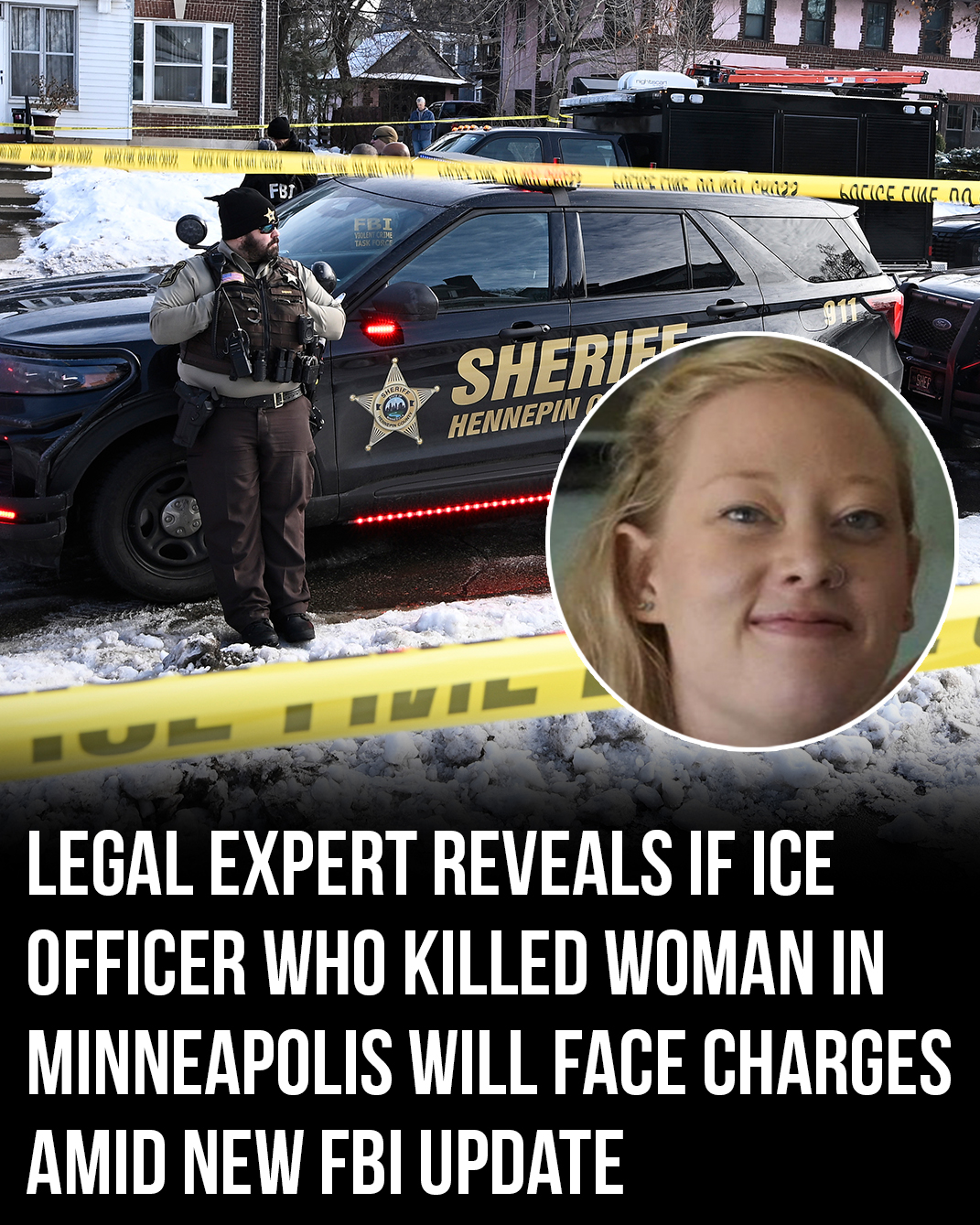
The Minnesota Bureau of Criminal Apprehension (BCA) initially began reviewing the case but later confirmed that the FBI assumed primary jurisdiction. State officials acknowledged that this shift has limited local involvement, raising concerns among some community members about transparency and oversight.
Community Impact and Public Response
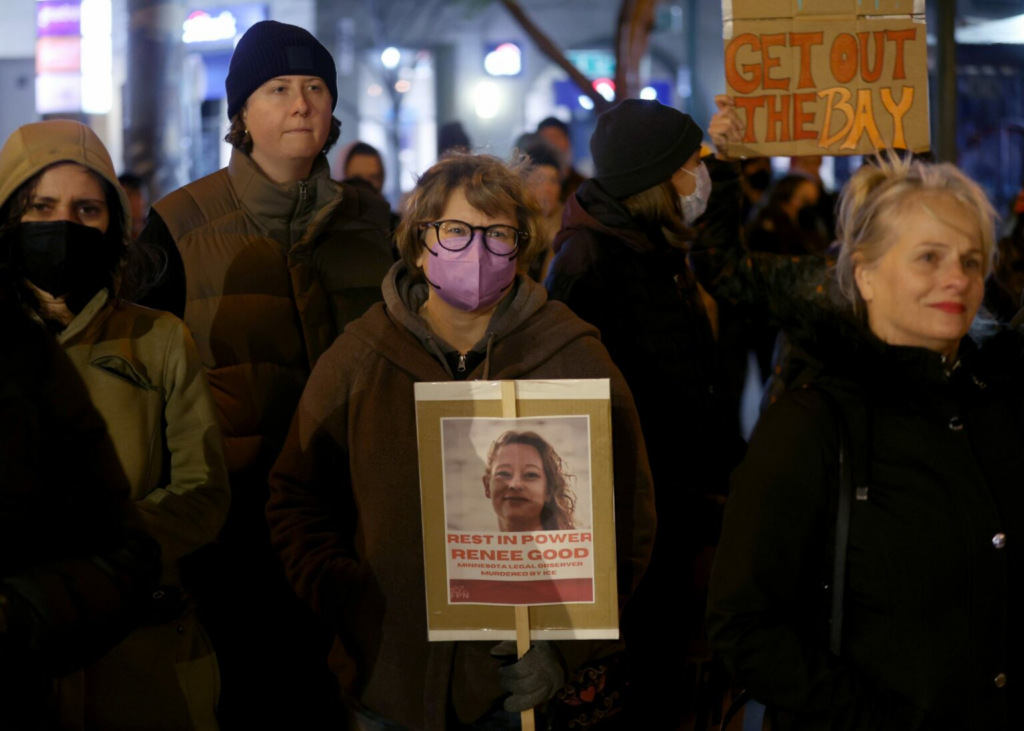
Beyond the legal debate, Good’s death has deeply affected the Minneapolis community. Neighbors, friends, and family members describe her as compassionate, creative, and devoted to her child. Vigils and memorials have been held in her honor, with community members calling for accountability and clarity.
Her mother, Donna Ganger, told local media that Good was “extremely compassionate” and spent much of her life caring for others. Friends and former teachers remembered her as thoughtful and empathetic.
What Happens Next
At present, the FBI is leading the investigation. No criminal charges have been announced, and federal officials have stated that the officer involved is protected under existing legal frameworks unless evidence emerges to suggest otherwise.
Legal analysts caution that while public pressure is intense, prosecutions of federal agents are rare and face a high legal threshold. Whether new evidence or investigative findings could alter that assessment remains uncertain.
As Minneapolis and the broader public await the results of the federal investigation, the case continues to raise broader questions about law enforcement authority, accountability, and the balance between officer safety and civilian lives.
For Good’s family and community, the focus remains on understanding how the incident occurred and ensuring that the investigation is thorough, impartial, and transparent.