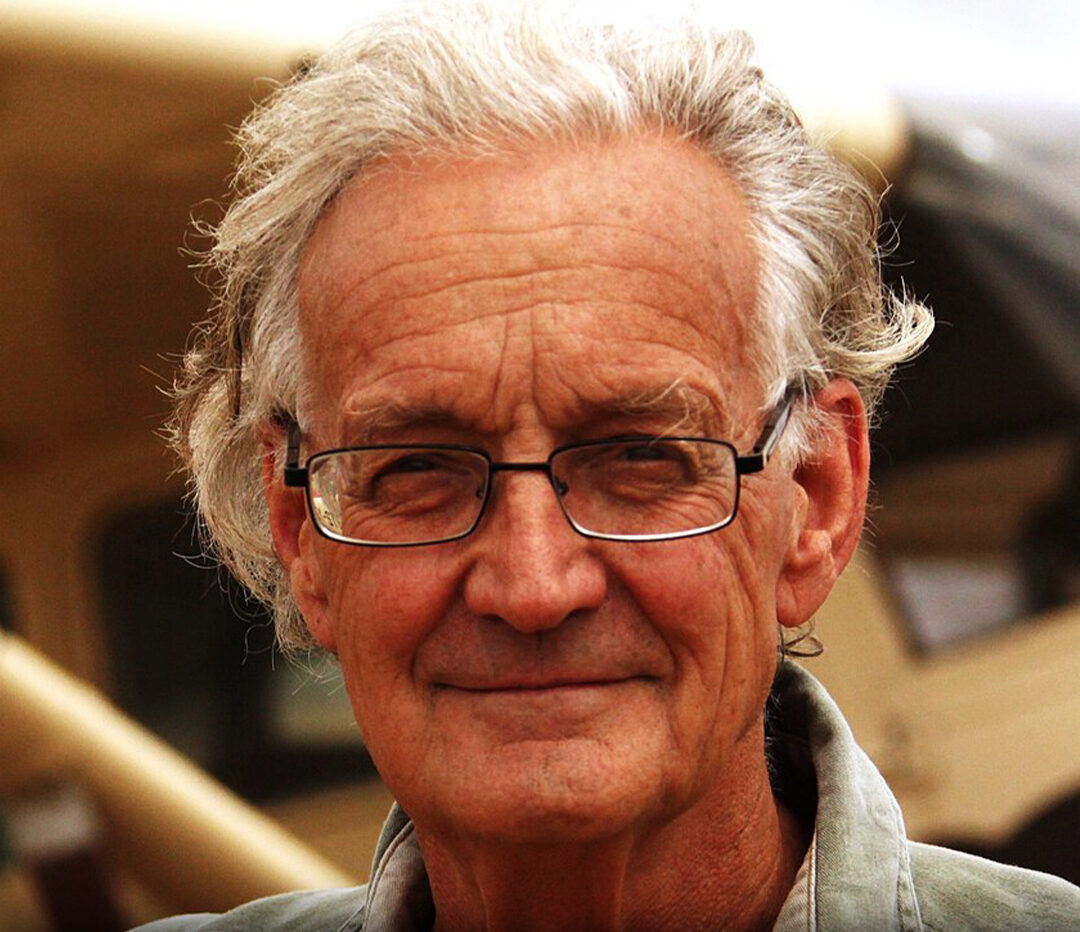
We often mourn musicians and actors, but some heroes work quietly, shaping the world in ways that change lives—for both humans and animals. Iain Douglas-Hamilton was one of those heroes.
The pioneering elephant conservationist passed away at 83, leaving behind a legacy that transformed how the world understands and protects these majestic creatures. More than a zoologist, Douglas-Hamilton revealed that elephants think, feel, make choices, and grieve—showing humanity a depth of intelligence and emotion previously unrecognized.
News of his passing sparked tributes from across the globe. Prince William honored him as “a man who dedicated his life to conservation and whose work leaves a lasting impact on our appreciation for, and understanding of, elephants,” adding, “The memories of spending time in Africa with him will remain with me forever.” Charles Mayhew, founder of Tusk, summed it up simply: “The world has lost a true conservation legend today, but his extraordinary legacy will continue.”
From Dorset to the Heart of the Savannah
Born in 1942 in Dorset, England, Douglas-Hamilton studied biology and zoology in Scotland and at Oxford. At just 23, he moved to Tanzania’s Lake Manyara National Park, beginning groundbreaking research that would define his life. He meticulously documented individual elephants—recognizing them by ear shapes, wrinkles, and personalities—at a time when few had studied wildlife as individuals.
Continue reading on next page…