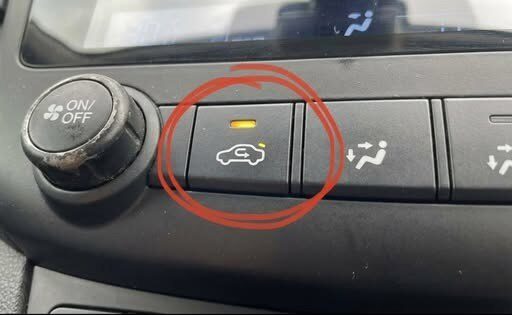
4. Supports Winter Heating
Once your windows are clear, switching to recirculation helps the heater keep the cabin warm without constantly drawing in freezing air.
5. Can Save Fuel
The AC works less to cool air inside the car, slightly reducing engine load and improving fuel efficiency over long drives.
When Not to Use Recirculation
Foggy Windows: In cold or rainy weather, trapped moisture can fog up glass. Switch to fresh air and defrost vents.
Stale Air: Leaving recirculation on too long reduces oxygen and increases CO₂, making drivers feel drowsy or headachy.
Trapped Smells: Gym clothes or leftover fast food can linger inside when air isn’t exchanged.
Quick Recirculation Guide
| Situation | Use Recirculation? | Why? |
|---|---|---|
| Hot summer day | YES | Cools cabin faster |
| Traffic jams / tunnels | YES | Blocks exhaust fumes |
| High pollen days | YES | Keeps allergens out |
| Rain or freezing weather | NO | Prevents window fog |
| Long road trips | NO | Fresh air keeps you alert |
| Smelly food inside | NO | Flushes odor |
Maintenance Tip: Cabin Air Filter
A dirty filter limits the benefits of recirculation. Experts recommend checking or replacing your cabin air filter every 12,000–15,000 miles to keep the system effective.
Next time you drive, pay attention to that little button. Press it at the right time, and your ride can be cooler, cleaner, and more comfortable. Have you used recirculation correctly? Share your tips and experiences in the comments!