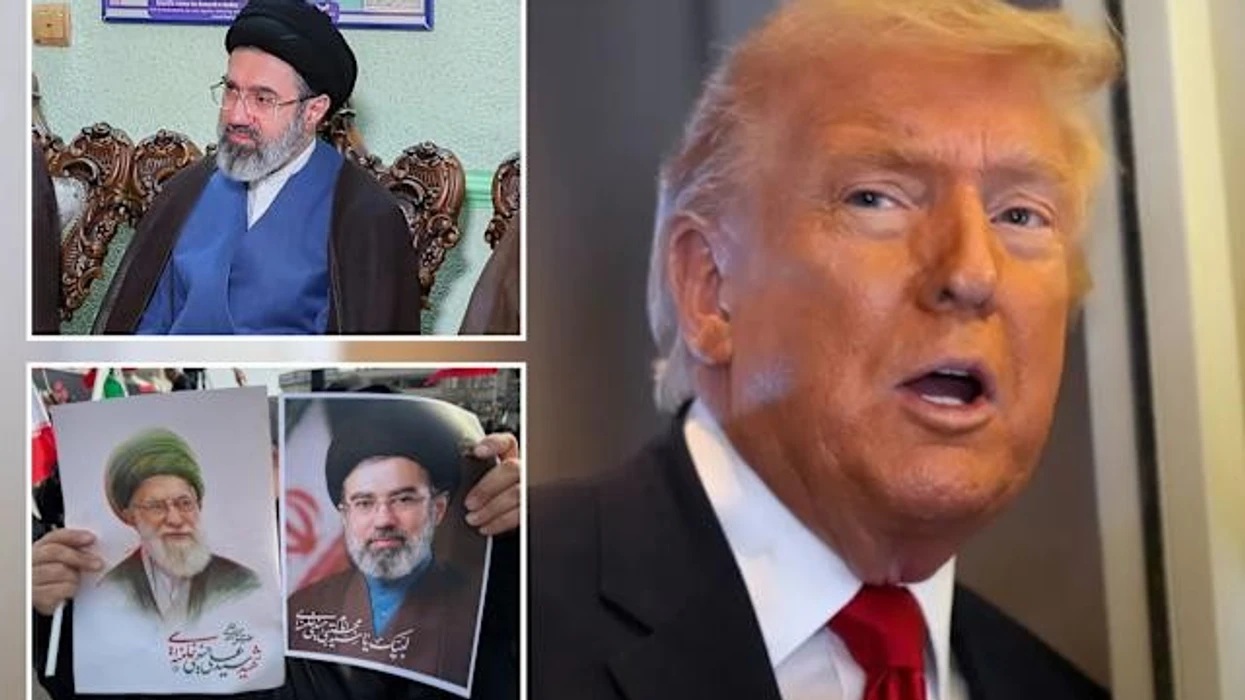
The Middle East entered a new period of uncertainty this week after reports emerged of coordinated military strikes targeting strategic infrastructure inside Iran. The operation, which analysts describe as one of the most significant regional escalations in recent years, has intensified global concerns about energy markets, geopolitical stability, and the future of international security negotiations.
According to multiple reports, the strikes focused on military and nuclear-related facilities believed to be connected to Iran’s defense and weapons development programs. The operation reportedly involved advanced aerial coordination and precision targeting designed to weaken key installations tied to air defense systems and command infrastructure.
The dramatic developments immediately triggered reactions from governments, financial institutions, and security experts around the world. Concerns over oil supply disruptions, cybersecurity threats, and broader regional instability quickly pushed global markets into a cautious stance as investors monitored the possibility of further escalation.
Regional Security Concerns Intensify
Officials familiar with the situation stated that the strikes were intended to reduce potential threats and disrupt military capabilities viewed as destabilizing to the region. Analysts noted that the operation signals a major shift from indirect confrontation toward more visible and direct military action.
Inside Iran, emergency response efforts and security evaluations reportedly began almost immediately after the attacks. Images circulating online appeared to show damage to several facilities, while state media emphasized resilience and national defense readiness. Iranian leaders also issued strong warnings promising retaliation, increasing fears of additional conflict across the region.
Security experts now warn that the greatest risk may come not only from conventional military responses but also from cyber operations, proxy conflicts, and disruptions to international trade routes. Because the Middle East remains central to global energy production and shipping logistics, even limited instability can have significant economic consequences worldwide.
Global Markets React To Growing Uncertainty
The financial impact of the escalating situation was felt rapidly across international markets. Oil prices experienced volatility as traders evaluated the risk of supply interruptions and shipping disruptions near critical maritime corridors.
Economists noted that geopolitical instability often affects sectors tied to:
- Energy and oil markets
- International shipping and logistics
- Defense and aerospace industries
- Cybersecurity and digital infrastructure
- Global investment portfolios
As a result, investors moved cautiously while governments reviewed contingency plans related to regional security and economic resilience.
Diplomatic Pressure Builds
Behind closed doors, diplomatic discussions intensified as world leaders urged restraint and renewed dialogue. International organizations and European officials reportedly initiated emergency communications aimed at preventing a wider conflict.
Foreign policy analysts emphasized that prolonged instability could reshape international alliances and place additional strain on already fragile diplomatic relationships. Many experts argue that de-escalation efforts are critical to preventing broader military confrontation that could impact neighboring countries and global economic systems.
At the same time, supporters of the operation claim that decisive action was necessary to address growing security concerns and prevent future threats. Critics, however, warn that military escalation may increase tensions further and reduce the likelihood of long-term diplomatic solutions.
Families Across The Region Face Growing Anxiety
While governments debate strategy and military objectives, civilians across the region are dealing with fear and uncertainty. In major cities, many families are closely monitoring news alerts and emergency updates while preparing for the possibility of additional instability.
The psychological impact of living under constant geopolitical tension can be severe, especially for children and vulnerable communities. Experts in mental health and crisis response note that prolonged uncertainty often creates long-term emotional stress even when violence remains geographically limited.
A Critical Moment For Global Stability
The coming weeks may prove decisive for the future of regional diplomacy and international security cooperation. Analysts believe the situation could either move toward negotiation and containment or continue escalating into a broader geopolitical crisis with worldwide implications.
For now, governments, investors, and millions of ordinary people remain focused on one pressing question: whether diplomacy can regain momentum before tensions spiral further out of control.
As global attention remains fixed on the Middle East, the latest developments serve as a reminder of how interconnected modern security, energy markets, and international relations have become. The decisions made in the days ahead could shape geopolitical stability for years to come.