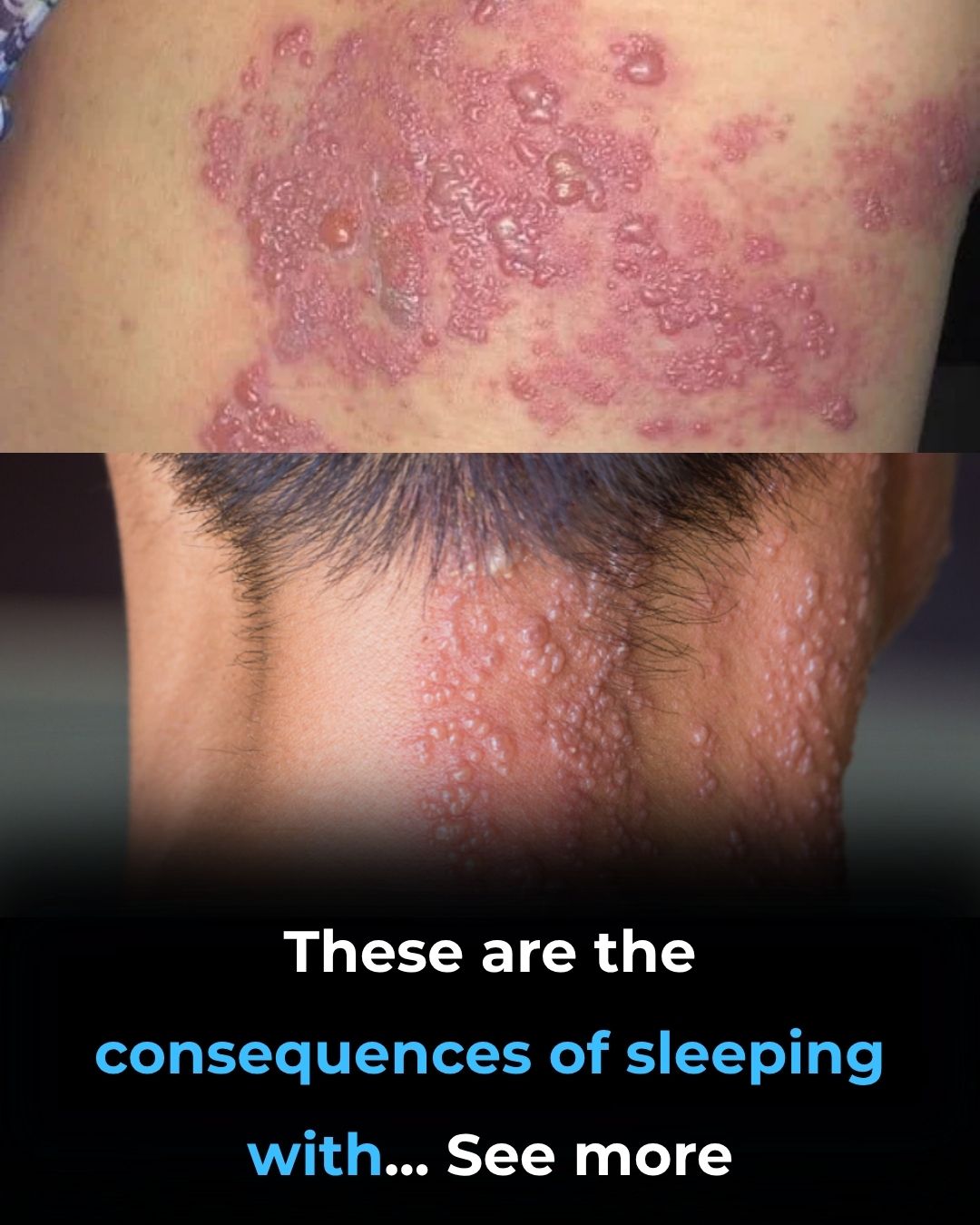
In recent years, healthcare professionals have placed growing emphasis on awareness of Human Papillomavirus (HPV). It is one of the most widespread viral infections globally, affecting both men and women.
Despite this, public discussions often focus primarily on women’s health, even though HPV can also have significant implications for men. Increasing awareness, prevention, and vaccination can greatly reduce long-term health risks.
What Is HPV?
Human Papillomavirus (HPV) refers to a group of more than 200 related viruses. These viruses are typically categorized into:
- Low-risk HPV types, which may cause minor skin-related conditions
- High-risk HPV types, which are associated with certain cancers
HPV is considered very common, and many people are exposed to it at some point in their lives.
Why HPV Is Often Called a “Silent” Infection
One of the main challenges with HPV is that it often presents no visible symptoms.
Most people who are infected do not realize it, which means the virus can remain in the body undetected for long periods. In many cases, the immune system clears the infection naturally, but some strains can persist and lead to health complications over time.
Health Risks of HPV in Men
While HPV is often discussed in relation to cervical health, it is also linked to several conditions in men. High-risk strains of the virus have been associated with:
- Throat and oral cancers
- Penile cancer
- Anal cancer
- Genital warts (caused by low-risk strains)
Although not every infection leads to serious illness, understanding the potential risks is important for early prevention and protection.
How HPV Spreads
HPV is primarily transmitted through intimate skin-to-skin contact. Because of this, it is extremely common and can be passed even when there are no visible signs or symptoms.
This makes prevention and education especially important for long-term health management.
Prevention and Risk Reduction Strategies
Health experts emphasize that HPV-related risks can be significantly reduced through preventive care and healthy lifestyle choices.
1. Vaccination
The HPV vaccine is one of the most effective prevention tools available. It helps protect against the most dangerous strains of the virus.
2. Regular Medical Checkups
Routine health screenings can help detect early signs of HPV-related conditions before they develop into more serious problems.
3. Safe Practices and Awareness
Understanding transmission routes and making informed health decisions can reduce exposure risk.
4. Strengthening the Immune System
A healthy immune system may help the body clear HPV more effectively. This includes:
- Balanced nutrition
- Regular exercise
- Stress management
- Adequate sleep
Why HPV Awareness Matters for Men’s Health
HPV is not just a women’s health issue—it is a public health concern that affects everyone.
Raising awareness among men helps:
- Improve early prevention
- Reduce transmission rates
- Encourage vaccination
- Support long-term sexual health education
Final Thoughts
HPV is one of the most common viral infections worldwide, but it is also one of the most preventable through education and vaccination.
Understanding the risks, recognizing the importance of early prevention, and taking proactive healthcare steps can significantly reduce long-term complications.
Greater awareness leads to better outcomes—for individuals, partners, and overall public health.