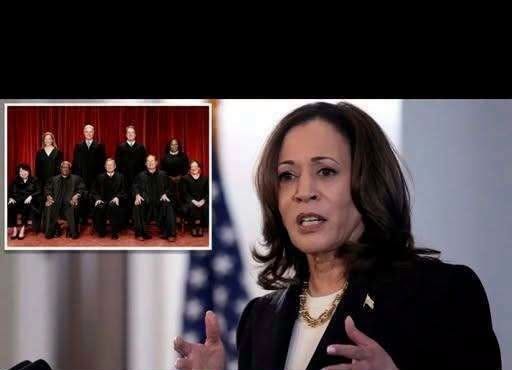
Debate Over Institutional Reform Highlights America’s Deep Political Divide
Discussions about changing major U.S. institutions have once again captured national attention, reigniting debate over how the country’s democratic system should evolve in the years ahead. Whether the topic is the structure of the Supreme Court, the Electoral College, or representation for U.S. territories, these proposals continue to spark passionate reactions from leaders, voters, and constitutional scholars alike.
At the heart of the conversation is a larger question: should longstanding institutions remain largely unchanged, or should they adapt to reflect shifts in population, politics, and modern governance?
Supporters of reforms such as expanding the Supreme Court, modifying or eliminating the Electoral College, or granting statehood to places like Washington, D.C., or Puerto Rico often argue that these changes could improve representation and address concerns about fairness in the political system. They believe that demographic changes and evolving public priorities warrant fresh discussions about how government functions.
Critics, however, caution that major structural reforms could upset long-established constitutional balances or create incentives for future political parties to reshape institutions whenever they gain power. From this perspective, preserving stability and continuity is essential to maintaining public trust in democratic processes.
Continue reading..