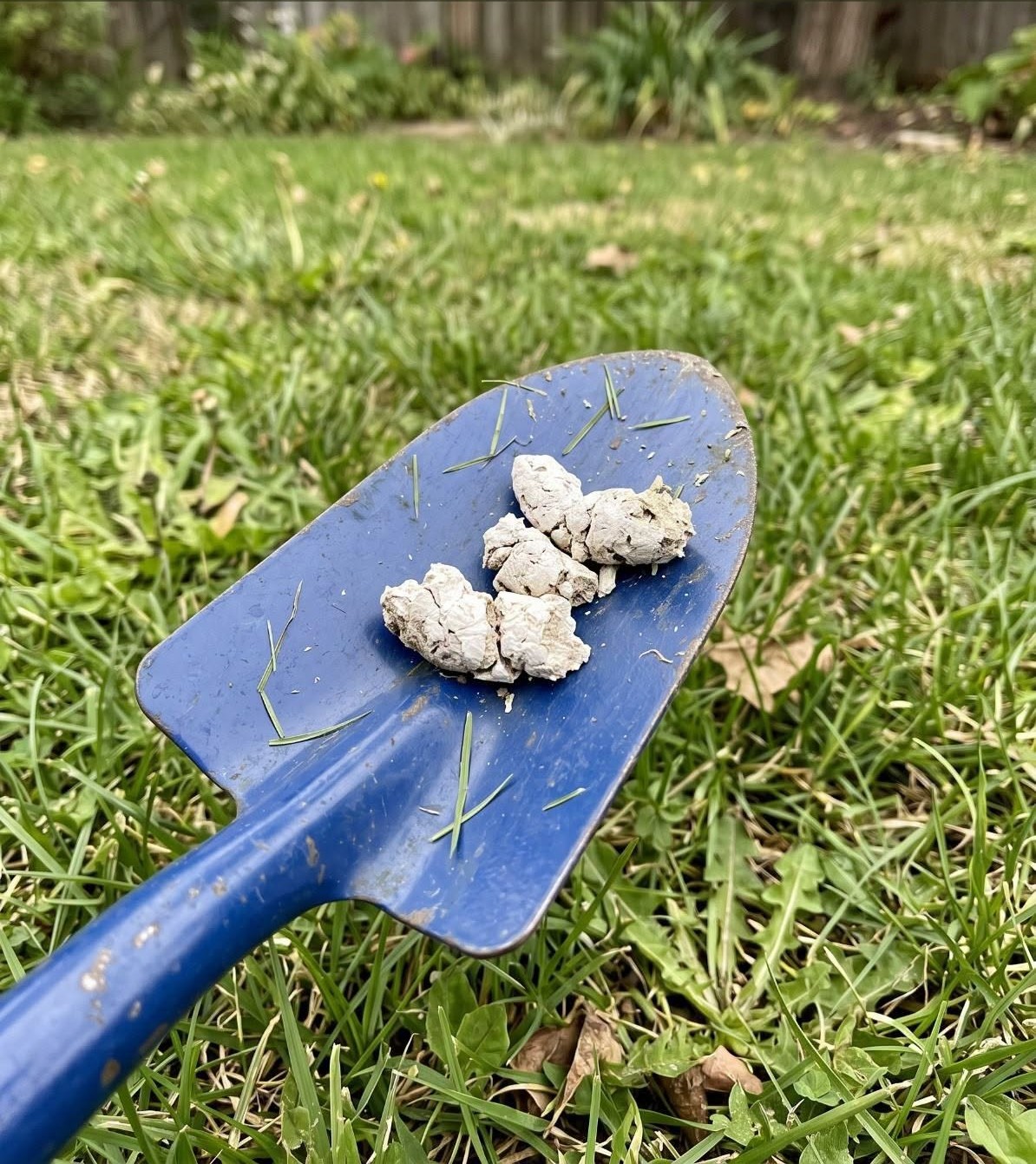
Seeing your dog produce unusually pale or white stool can be an alarming experience. One moment, everything seems normal, and the next, you’re wondering whether the change is simply dietary or a sign that something more serious is happening.
The good news is that white or chalky stool can sometimes have a relatively simple explanation. Diet is one of the first things worth considering, especially if your dog has recently been eating bones, high-calcium treats, supplements, or foods containing ingredients such as bone meal. A large amount of calcium can sometimes make stool appear lighter, harder, or more crumbly than usual.
If you’ve recently introduced a new food or treat, check the ingredient label and think about whether your dog’s diet has changed. Reducing excessive bone consumption and discussing a balanced diet with your veterinarian may help if diet is the underlying cause.
However, unusual stool color should not always be dismissed as a food issue.
Persistent pale or grayish stool can sometimes be associated with problems involving the digestive system, including the liver, gallbladder, or bile ducts. Bile contributes to the normal brown color of stool, so changes affecting bile production or flow can sometimes alter its appearance. Other possible causes may include certain digestive conditions, parasites, or reactions to medications.
That’s why it’s important to consider the overall health of your dog rather than focusing only on color.
Keep reading…