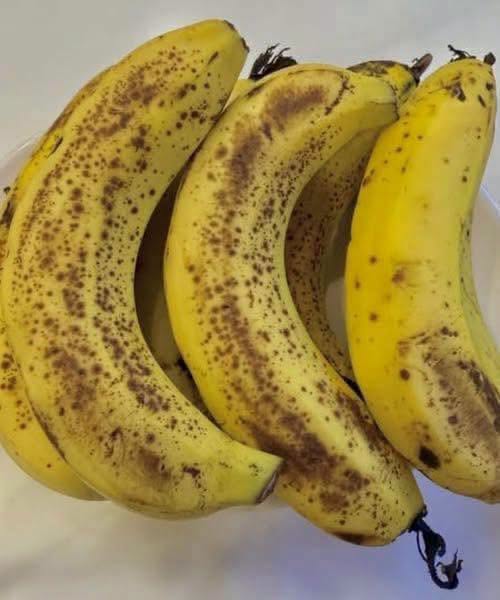
Green or Ripe? What Your Banana’s Color Could Mean for Your Blood Sugar
Most of us grab a banana without giving it much thought.
It’s quick, convenient, naturally sweet, and easy to take almost anywhere. But as a banana ripens, its texture, flavor, and carbohydrate composition gradually change.
That raises an interesting question: Does the ripeness of your banana actually matter?
The answer is more nuanced than you might expect.
A firm, slightly underripe banana and a soft, heavily speckled banana can have different nutritional characteristics. Understanding those differences may help you choose the type that best fits your preferences, digestion, and daily routine.
What Happens as a Banana Ripens?
A banana doesn’t simply change color as it sits on your kitchen counter.
During the ripening process, some of the starches in the fruit are gradually converted into simpler sugars. That’s why a green or firm banana generally tastes less sweet, while a ripe banana becomes softer and noticeably sweeter.
The longer the banana ripens, the more its texture and carbohydrate profile change.
This doesn’t make one stage universally “better” than another. Instead, each stage may have different qualities that some people prefer.
The Case for Firmer Bananas
If you prefer a banana that is less sweet and slightly firmer, an underripe or just-ripe banana may be appealing.
Less-ripe bananas contain more resistant starch than fully ripe ones. Resistant starch isn’t digested in the same way as many rapidly absorbed carbohydrates and can behave somewhat like dietary fiber in the digestive system.
For some people, foods containing resistant starch may contribute to feelings of fullness and support a healthy gut environment.
However, individual responses can vary.
Some people find firmer bananas easy to digest, while others may experience bloating or digestive discomfort. If you have a sensitive digestive system, your personal tolerance is more important than following a general rule about which ripeness stage is “best.”
Why Ripe Bananas Taste Sweeter
Keep reading…