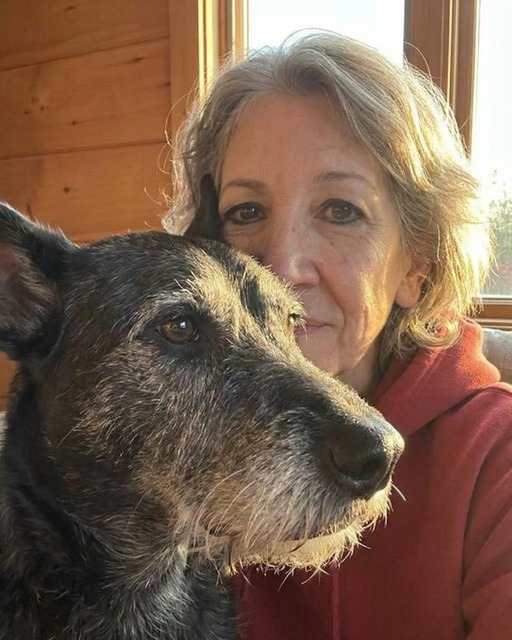
I didn’t step into the animal shelter searching for happiness. I came looking for something quieter, something most people don’t say out loud—a goodbye I could prepare for. A short chapter chosen on purpose. Loving deeply for a limited time felt less frightening than carrying love that had nowhere to go.
When the shelter volunteer explained that the dog I was asking about was part of their hospice pet adoption program—and that she likely had only weeks, maybe a couple of months—I nodded calmly. I thought I understood what that meant. I told myself I was emotionally ready. I wasn’t.
From the outside, my husband Daniel and I appeared to have a well-balanced life. Reliable careers. A modest, well-kept house. Predictable routines. Friendly conversations with neighbors. Nothing looked broken. But inside our home, something essential had quietly faded, so slowly that we didn’t notice the moment silence stopped being temporary and became permanent.For years, we shared the same plans for the future. Then we shared the same setbacks. At first, we talked through everything—appointments, timelines, carefully measured optimism. We believed that if we worked hard enough, it would eventually work out. But disappointment doesn’t always arrive loudly. Sometimes hope just thins out. One day you realize certain words haven’t been spoken in a long time. Another day you notice entire aisles in the grocery store no longer exist to you. Eventually, even grief settles into stillness.
Like many couples trying to avoid emotional emptiness, we filled our time. Longer work hours. Cleaning rooms that didn’t need cleaning. Streaming shows we barely paid attention to. Sitting across from each other at dinner discussing schedules instead of feelings. We weren’t unhappy—we were disconnected.When I suggested adopting a dog, Daniel hesitated. He said he didn’t want disruption. No barking, no mess, no attachment that might end in loss. I suggested we simply visit the shelter. Just to look. No commitments.
Animal shelters are overwhelming by nature—noise echoing off concrete walls, dogs jumping and spinning with raw hope, pressing against their kennels as if love alone could break through. Daniel lingered near the entrance, already uncomfortable.
Daisy was different.She lay in the far corner, half hidden by shadows. Small, fragile, still. Her posture wasn’t peaceful—it was accepting. Her fur was thin with age, her face gray, her eyes tired but alert. When I knelt by her kennel, she didn’t rush forward. She lifted her head, studied me carefully, and tapped her tail once. Then again. As if choosing me deliberately.
The volunteer spoke quietly. Daisy was twelve. She had chronic health issues. She was eligible only for hospice adoption. They hoped her final days could be spent in a warm home. Daniel shook his head. “We can’t do this,” he said. “It’s too much.”
I didn’t argue. I opened the kennel door and sat on the floor. Daisy leaned against my leg with surprising certainty. She felt delicate—but grounded. I remember thinking how something so fragile could feel so steady.
Continue reading on the next page..