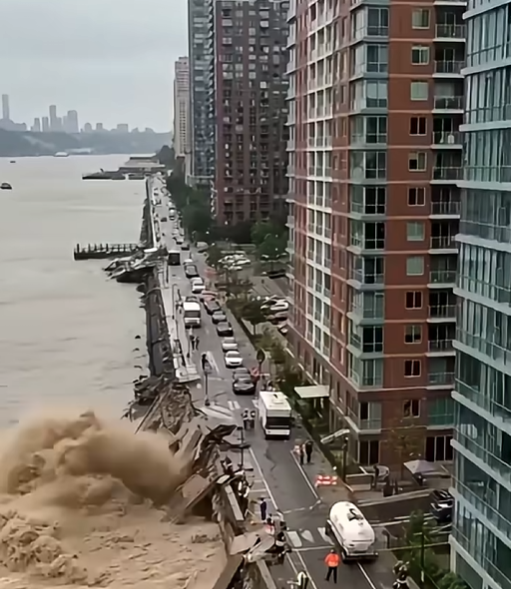
Flooding is one of the most destructive natural hazards, capable of transforming peaceful riverside communities into dangerous disaster zones within hours.
When rivers overflow their banks, powerful currents can sweep away roads, damage bridges, undermine foundations, and cause buildings located close to the water to collapse.
In particularly severe situations, entire sections of riverside structures can be destroyed as floodwaters erode the ground beneath them.
But why do buildings collapse during floods, and what makes riverside properties especially vulnerable?
Understanding the science behind flood-related structural damage can help communities recognize the risks and prepare before disaster strikes.
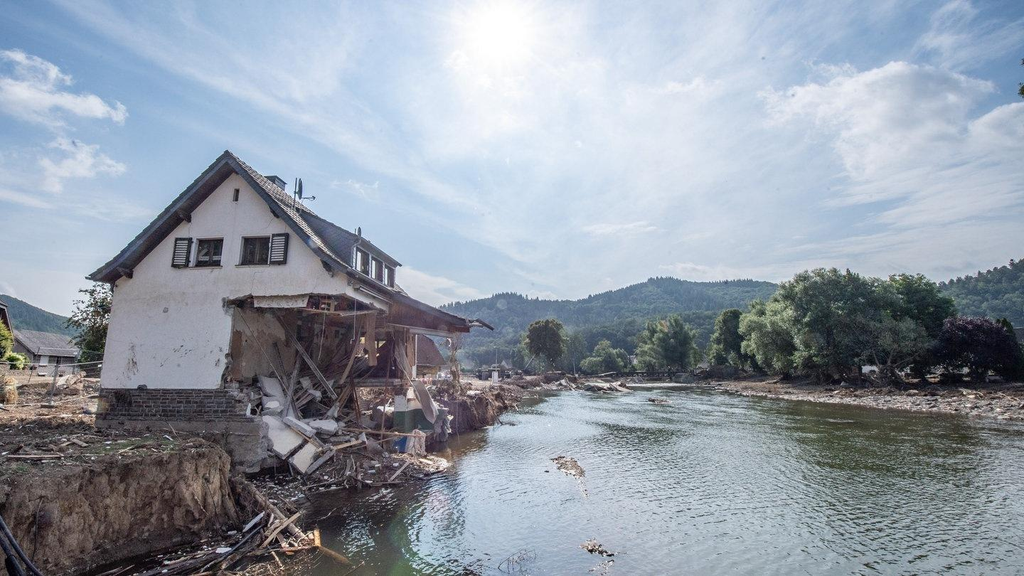
Why Do Riverside Buildings Collapse During Severe Flooding?
Floodwater is much more powerful than it may appear.
As water levels rise, moving water exerts pressure against buildings, walls, foundations, and other structures.
Several factors can contribute to a building collapsing during a flood.
1. Powerful Water Currents Undermine Foundations
One of the most serious dangers is a process known as scour.
Scour occurs when flowing water removes soil and sediment from around the foundations of a structure.
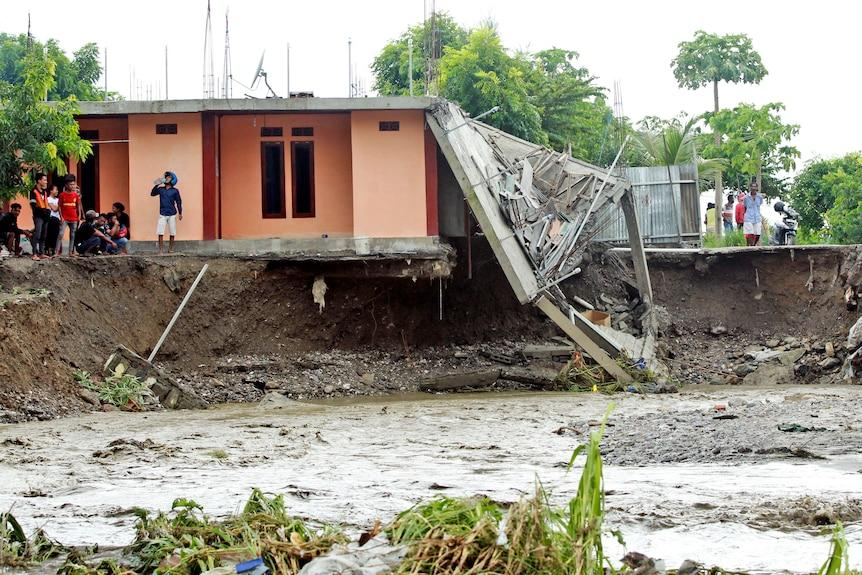
As the supporting ground disappears, foundations may become exposed or lose their ability to support the building.
This can cause:
- Foundation instability.
- Structural movement.
- Cracks in walls and floors.
- Partial or complete building collapse.
Buildings constructed close to riverbanks may face particularly high risks when strong currents continuously erode the surrounding soil.
2. Rising Water Creates Dangerous Structural Pressure
Keep reading…