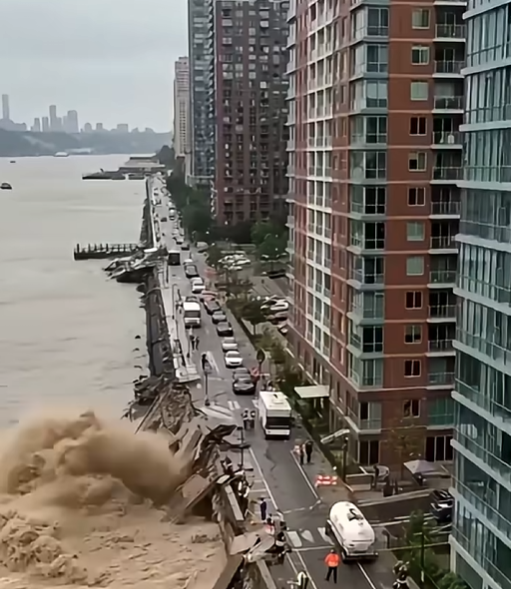
Floodwater can exert significant pressure against walls and foundations.
When water levels rise quickly, buildings may experience unequal pressure between the flooded and dry sides.
This difference can damage walls, basement structures, and other building components.
The pressure may become especially dangerous when floodwater enters enclosed spaces and creates additional forces against the structure.
3. Saturated Soil Loses Strength
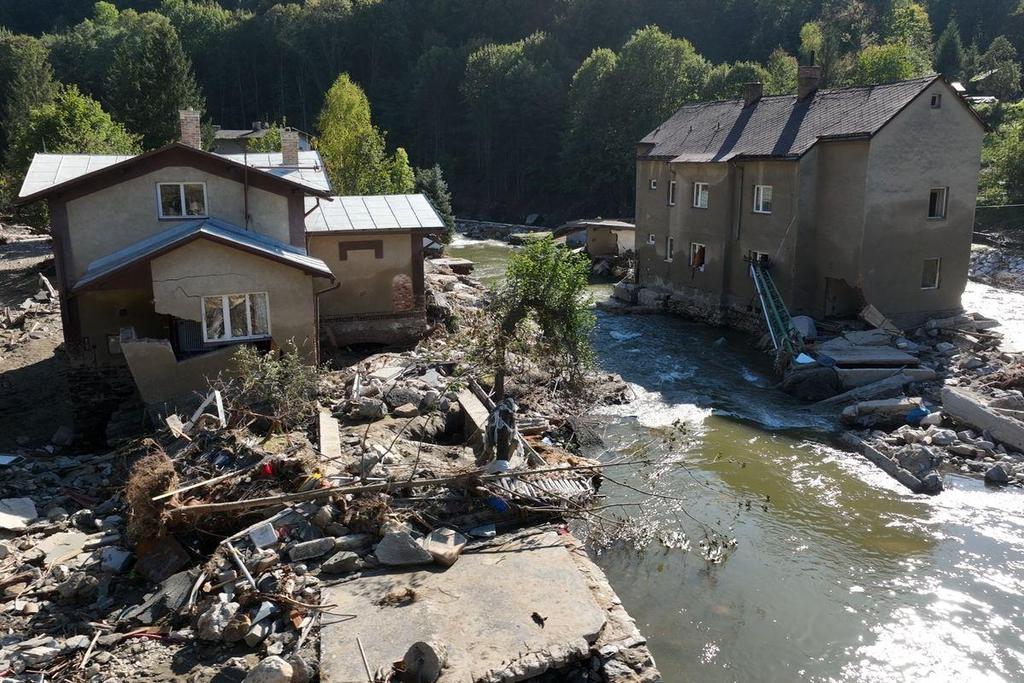
Soil plays an essential role in supporting buildings.
During prolonged flooding, water can saturate the ground and change its engineering properties.
Depending on the soil type and site conditions, this can reduce its strength and stability.
In some locations, saturated slopes and riverbanks may become unstable, triggering landslides or ground movement.
Buildings situated on vulnerable riverbanks can consequently experience serious foundation damage.
4. Floating Debris Can Strike Buildings
Floodwater frequently carries large objects, including:
- Fallen trees.
- Broken branches.
- Vehicles.
- Damaged construction materials.
- Household objects.
When these objects collide with buildings, they can damage walls, windows, doors, and structural supports.
Large debris can also block drainage channels and bridges, making flooding even more severe.
5. Long-Term Erosion Weakens Riverside Properties
Not all flood-related damage happens immediately.
Repeated flooding can gradually remove soil from riverbanks and weaken the ground supporting nearby structures.
Even buildings that survive an initial flood may develop cracks, foundation problems, or other structural damage afterward.
This is why professional inspections are important before residents return to flood-damaged properties.
What Happens When a River Suddenly Overflows?
A river can overflow when it receives more water than its channel can safely contain.
Heavy rainfall, rapid snowmelt, saturated ground, and dam or drainage failures can all contribute to flooding.
When water levels rise rapidly, nearby communities may face several hazards simultaneously.
These include:
Flash flooding: Water levels can rise quickly, leaving little time for people to evacuate.
Riverbank erosion: Strong currents can remove soil and destabilize nearby land.
Infrastructure damage: Roads, bridges, drainage systems, and utility networks may become damaged.
Building collapse: Structures with weakened foundations or insufficient flood protection may become unstable.
Contaminated water: Floodwater can contain sewage, chemicals, fuel, and harmful microorganisms.
The combination of these hazards makes severe flooding particularly dangerous for communities located near rivers.
Why Are Buildings Near Rivers More Vulnerable?
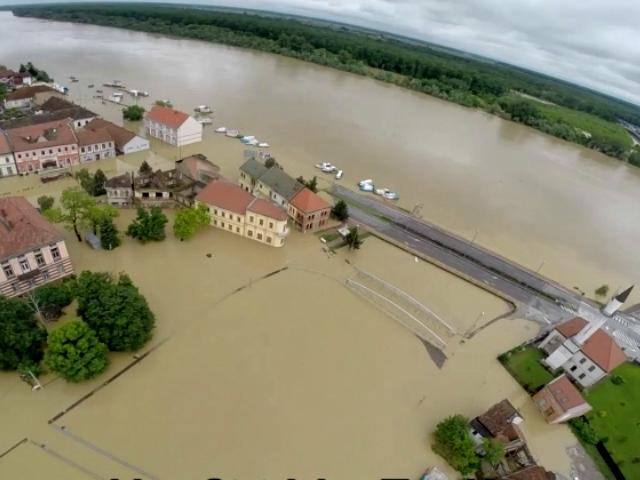
Riverside properties often provide attractive views and convenient access to recreational areas.
However, building close to a river can create additional exposure to natural hazards.
Some of the main risk factors include:
- Construction within flood-prone areas.
- Weak or poorly maintained foundations.
- Unstable riverbank soil.
- Inadequate drainage systems.
- Lack of flood-resistant construction measures.
- Previous erosion or structural damage.
The risk depends on local geography, building design, soil conditions, flood intensity, and the effectiveness of protective infrastructure.
Modern engineering can reduce flood vulnerability, but no building should be assumed completely protected from extreme flooding.
What Should You Do If Your Home Is Near a Flooding River?
Safety should always come before property protection.
If authorities issue a flood warning or evacuation order, follow their instructions immediately.
Here are important precautions:
- Monitor official warnings: Follow local emergency services and weather authorities for updates.
- Evacuate when instructed: Do not wait until floodwater reaches your home.
- Avoid flooded roads: Even relatively shallow moving water can be dangerous.
- Stay away from damaged buildings: Visible cracks, leaning walls, and exposed foundations may indicate structural instability.
- Avoid electrical hazards: Never touch electrical equipment or wiring exposed to floodwater.
- Keep away from riverbanks: Floodwater can cause sudden erosion and bank collapse.
- Return only when authorities say it is safe: Damaged buildings should be professionally inspected before re-entry.
Never attempt to walk or drive through floodwater to rescue belongings.
Can Buildings Be Protected Against Future Flooding?
Although floods cannot always be prevented, proper planning and engineering can reduce the risk of severe structural damage.
Some protective measures include:
Flood-resistant foundations: Appropriate foundation design can help structures withstand site-specific flood conditions.
Riverbank protection: Properly engineered erosion-control systems can help stabilize vulnerable riverbanks.
Improved drainage: Effective drainage systems can reduce water accumulation around buildings.
Floodplain planning: Restricting construction in high-risk areas can reduce future property damage.
Regular inspections: Checking foundations, retaining walls, and drainage systems can help identify problems before they become serious.
Professional engineers should evaluate flood risks before new construction takes place near rivers.
Why Flood Preparedness Matters More Than Ever
Flooding can cause devastating consequences for families, businesses, and entire communities.
Beyond visible property damage, major floods can disrupt transportation, electricity, drinking water supplies, healthcare services, and local economies.
Preparedness is therefore essential.
Communities can reduce their exposure through effective flood monitoring, responsible urban planning, stronger infrastructure, and public awareness.
Understanding how water affects buildings and foundations is an important step toward preventing avoidable disasters.
Frequently Asked Questions
Why do buildings collapse during floods?
Buildings can collapse when floodwater undermines foundations, erodes supporting soil, damages structural components, or creates excessive pressure against walls and other elements.
Can a river flood destroy a house?
Yes. Severe flooding can cause extensive structural damage and, in some circumstances, completely destroy houses, particularly when strong currents undermine foundations or cause riverbank erosion.
What is scour in flooding?
Scour is the removal of soil or sediment by flowing water. It can expose foundations and reduce the stability of buildings, bridges, and other structures.
Are riverside homes always dangerous?
No. Risk depends on the property’s elevation, flood history, foundation design, local soil conditions, and flood protection measures. A professional flood-risk assessment can help determine the level of exposure.
Is it safe to enter a flooded building?
Not necessarily. Flood-damaged buildings may have unstable walls, weakened foundations, contaminated water, and electrical hazards. Wait for official clearance and professional inspection.
How can communities reduce flood damage?
Communities can improve flood forecasting, maintain drainage systems, protect vulnerable riverbanks, enforce appropriate building regulations, and establish effective evacuation plans.
Final Thoughts
Severe flooding is capable of causing enormous damage, especially in communities built close to rivers.
When powerful currents combine with soil erosion, foundation instability, and structural pressure, the consequences can be devastating.
Understanding these risks, respecting flood warnings, and investing in safer infrastructure can help protect lives and property.
When floodwaters rise, safety must always come first.