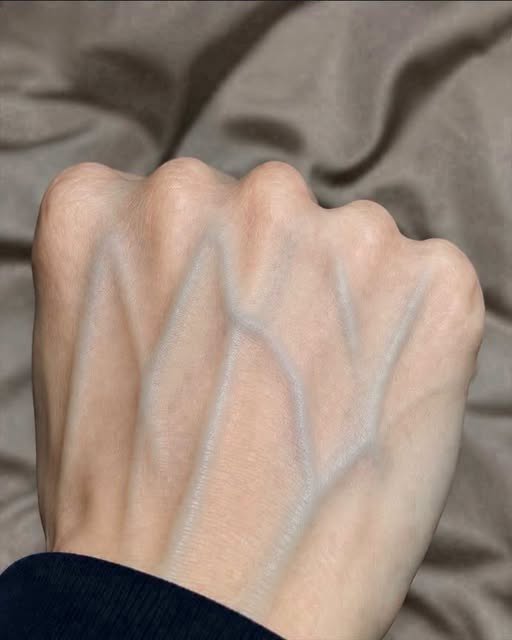
Several everyday factors can influence their appearance.
1. Natural Changes With Age
As people get older, their skin gradually becomes thinner and may lose some elasticity. This can make blood vessels beneath the surface easier to see.
These changes are a normal part of aging and do not necessarily indicate poor circulation.
2. Skin Tone and Body Composition
People with lighter skin or less fatty tissue beneath the skin may notice their veins more easily. Genetics and individual differences in skin structure can also influence how prominent veins appear.
3. Exercise and Physical Activity
During exercise, muscles need more oxygen and nutrients, so blood flow increases. Veins may temporarily become more noticeable, particularly during strength training or other demanding activities.
In many cases, their appearance returns to normal after the body has had time to recover.
4. Warm Weather and Temperature Changes
Warm temperatures cause blood vessels near the skin to widen as the body regulates its temperature. This can make superficial veins appear more prominent.
The effect is generally temporary.
When Visible Veins May Be Related to a Medical Condition
Although visible veins are often harmless, some vein-related conditions can cause noticeable changes.
One example is chronic venous insufficiency (CVI). This condition develops when the veins in the legs have difficulty moving blood efficiently back toward the heart. It can happen when the valves inside the veins become weakened or damaged.
As blood collects in the lower legs, pressure inside the veins may increase. Over time, this can contribute to varicose veins, swelling, and changes in the surrounding skin.
A healthcare professional can assess symptoms and determine whether further testing or treatment is necessary.
Symptoms That Deserve Medical Attention
Visible veins alone are not usually an emergency. However, it is sensible to speak with a healthcare professional if they occur alongside symptoms such as:
- Persistent aching, discomfort, or heaviness in the legs
- Swelling around the ankles or lower legs
- Changes in skin color near the affected veins
- Itching or irritation around enlarged veins
- Veins that become painful, unusually swollen, or tender
- Skin sores or wounds near the ankles that are slow to heal
These symptoms can have several possible causes, including circulation-related conditions. A medical assessment can help identify the reason.
Seek urgent medical attention if one leg suddenly becomes swollen, particularly when accompanied by pain, warmth, or redness. These symptoms can sometimes indicate a blood clot.
If sudden leg swelling occurs alongside chest pain, difficulty breathing, fainting, or coughing up blood, seek emergency medical help immediately.
What Should You Do If Your Veins Become More Visible?
If you notice changes in your veins, consider whether they appeared gradually or suddenly and whether other symptoms are present.
For general leg comfort, regular movement, avoiding long periods of uninterrupted sitting or standing, and elevating the legs when resting may help some people. These measures are not a substitute for medical evaluation when symptoms persist or worsen.
Do not assume that prominent veins indicate a specific condition based on appearance alone. A healthcare professional can examine the affected area and recommend appropriate next steps.
The Bottom Line
Visible veins are often a normal result of aging, genetics, body composition, exercise, or temperature changes. In many cases, they do not require treatment.
However, persistent discomfort, swelling, skin changes, or sudden one-sided leg swelling should not be ignored. Paying attention to accompanying symptoms—and seeking medical advice when appropriate—is a sensible way to protect your health.