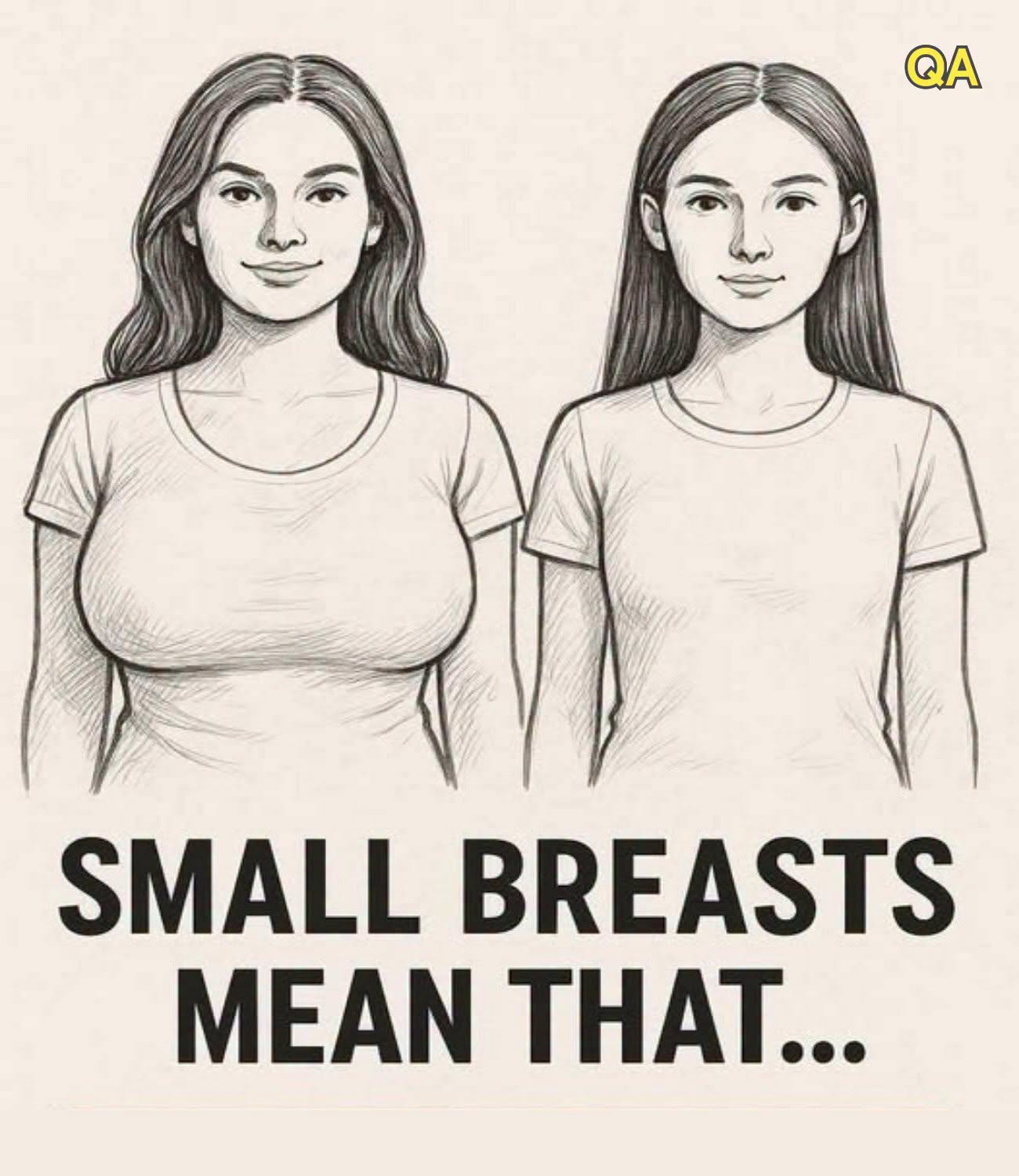
Several factors contribute to breast size:
- Genetics: Inherited characteristics play an important role in determining breast size, shape, and tissue composition.
- Body composition: Breasts contain both fatty and glandular tissue. Changes in body weight may affect their size, although the extent varies between individuals.
- Hormonal changes: Hormones influence breast development during puberty and can affect breast tissue during the menstrual cycle, pregnancy, breastfeeding, and menopause.
- Age: Breast tissue can change over time as the body ages and hormone levels fluctuate.
These factors interact in different ways, so breast size cannot be explained by a single cause.
Does Breast Size Indicate Hormone Levels?
Breast size alone cannot establish whether someone has a hormonal imbalance. Although hormones such as estrogen and progesterone contribute to breast development and changes throughout life, the size of the breasts does not provide a reliable measurement of hormone levels.
A person with smaller breasts may have normal hormone function, just as a person with larger breasts may experience a hormonal condition. Physical appearance alone is not sufficient to diagnose an endocrine or reproductive health problem.
Hormonal concerns should instead be assessed in the context of symptoms, medical history, and, when appropriate, clinical examinations and laboratory tests.
Is There a Connection Between Breast Size and Fertility?
Breast size is not a reliable predictor of fertility. Reproductive health depends on several factors, including ovulation, age, reproductive anatomy, and the health of both partners when pregnancy is being considered.
Breast size does not establish whether someone ovulates regularly or can become pregnant. Similarly, a particular breast shape or size should not be interpreted as evidence of infertility.
During pregnancy, hormonal changes can cause breasts to grow or become more sensitive. However, these changes do not mean that breast size before pregnancy can reliably predict fertility or future breastfeeding success.
Anyone experiencing difficulties conceiving or concerned about reproductive health can discuss their circumstances with a qualified healthcare professional.
How Hormones Affect the Body
Hormones are chemical messengers that help regulate many functions, including reproduction, metabolism, growth, and sleep. Their levels naturally change throughout life, and some fluctuations are part of normal biological processes.
Depending on the underlying cause, hormonal conditions may be associated with symptoms such as irregular menstrual periods, unexpected changes in body weight, persistent fatigue, or changes in skin and hair.
These symptoms can have many possible explanations and do not automatically indicate a hormone disorder. A healthcare professional can determine whether an evaluation is appropriate and which tests, if any, may be useful.
Breast size alone is not a reason to assume that hormone levels are abnormal or to seek unnecessary testing.
Body Image and Social Expectations
Ideas about the ideal breast size differ across cultures and change over time. Media images, advertising, and social media trends can reinforce narrow beauty standards and encourage comparisons between bodies.
These pressures may cause some people to worry that their natural appearance is abnormal or reflects a health problem. In reality, breast size and shape vary considerably, and these differences are a normal part of human biology.
A person’s worth, femininity, and health cannot be measured by breast size. When body-image concerns begin affecting confidence or daily life, talking with a trusted healthcare professional or counselor may provide helpful support.
It is also important to be cautious about supplements, creams, and other products advertised as ways to change breast size or supposedly correct hormone levels. Claims of guaranteed results may not be supported by reliable evidence, and some products may carry risks.
When Should You Seek Medical Advice?
Although breast size varies naturally, certain changes deserve medical attention. Consider contacting a healthcare professional if you notice:
- A new lump or thickened area in the breast or underarm.
- A sudden or unexplained change in breast size or shape, particularly on one side.
- New skin dimpling, persistent redness, or changes around the nipple.
- Unusual nipple discharge, especially if it is bloody.
- Persistent breast pain or other changes that concern you.
Many breast changes have noncancerous causes, but a medical assessment can help determine what is happening. Follow screening recommendations appropriate for your age, personal history, and local healthcare guidance.
How to Approach Hormonal Health Responsibly
If you are concerned about your hormones, begin by discussing your symptoms and medical history with a qualified healthcare professional rather than relying on appearance-based tests or online claims.
Depending on your circumstances, a clinician may recommend observation, an examination, or specific laboratory tests. Not everyone needs a broad hormone panel, and testing should be guided by the clinical situation.
Maintaining regular physical activity, eating a balanced diet, getting adequate sleep, and managing stress can support general well-being. However, these habits should not be presented as guaranteed ways to control hormone levels or change breast size.
The Bottom Line
Breast size is influenced by genetics, body composition, hormones, age, and other individual factors. It does not, by itself, reveal whether someone has a hormonal imbalance or fertility problem.
Understanding this distinction can help reduce unnecessary anxiety and discourage unsupported health claims. If you have symptoms or concerns about breast or reproductive health, seek advice based on your individual circumstances rather than assumptions about appearance.