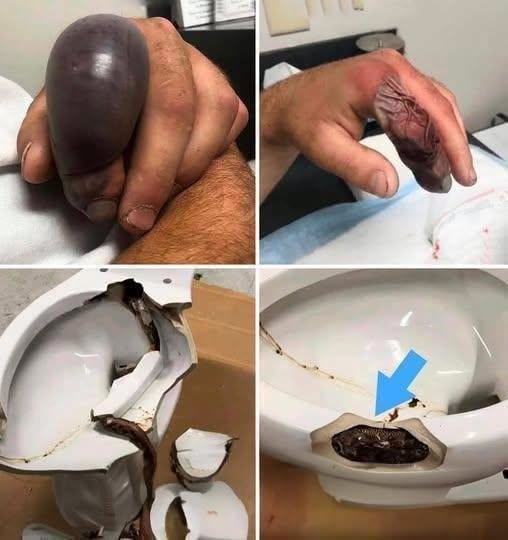
How Could a Snake Reach a Bathroom?
The exact route depends on the building and the local environment.
In some areas, bathrooms may be connected to drainage systems that provide easier access for wildlife. Outdoor toilets and properties located close to vegetation, waterways, or open drainage can also have greater exposure to animals.
Heavy rain and flooding may increase encounters by disturbing wildlife and pushing animals toward sheltered areas.
However, the idea that snakes commonly travel through household toilets should be kept in perspective. For most people, encountering a snake in a bathroom is highly unusual.
Reported Encounters Around the World
There have been occasional reports of people discovering snakes in or around toilets in countries including Thailand, Australia, South Africa, and the United States.
Some incidents involved people being bitten after unexpectedly encountering a snake.
The circumstances and species varied considerably from case to case. Some snakes involved in these reports were nonvenomous, while others were potentially dangerous.
Because individual reports can be difficult to verify in detail, dramatic stories circulating online should be treated carefully unless they are supported by reputable news organizations, wildlife authorities, or other reliable sources.
Why Would a Snake Enter a Bathroom?
Snakes don’t enter bathrooms because they are specifically looking for people.
Like other wild animals, they are generally responding to environmental conditions.
A bathroom or drainage area may occasionally provide:
- Shelter from weather
- Access to moisture or water
- A route through an existing opening
- Access to potential prey
A snake that unexpectedly encounters a person may react defensively, particularly if it feels trapped or threatened.
Where Is the Risk Higher?
The possibility of encountering wildlife indoors can vary depending on location and building design.
People living in areas with abundant snake populations may want to take extra precautions if their homes are near:
- Dense vegetation
- Rivers, ponds, or other waterways
- Open drainage systems
- Rural land
- Areas affected by flooding
Outdoor bathrooms and structures with damaged plumbing or unsealed openings may also require additional attention.
That doesn’t mean residents should expect snakes to appear. It simply means that sensible maintenance can reduce opportunities for wildlife to enter.
Simple Ways to Reduce the Risk
There are several practical steps property owners can take.
Check for gaps around pipes and other openings where animals might enter. Keep exterior areas reasonably clear of excessive vegetation and debris, and make sure appropriate screens or covers are properly maintained.
After major storms or flooding, inspect areas around the home for signs of animal activity.
In regions where snakes are common, local wildlife authorities can provide advice about suitable drain covers, plumbing arrangements, and building-specific precautions.
What Should You Do If You Find a Snake?
The safest response is usually to give the animal plenty of space.
Don’t attempt to grab it, trap it, or kill it yourself.
If possible without approaching the snake, move away from the area and keep children and pets at a safe distance. Contact local wildlife professionals or emergency services if the situation presents an immediate danger.
A photograph may help professionals identify the species, but only take one if you can do so safely.
What If Someone Is Bitten?
A snake bite should be treated seriously, especially when the species is unknown or venomous snakes are present in the region.
Seek urgent medical attention and follow local emergency guidance.
Avoid cutting the wound, attempting to suck out venom, applying harmful substances, or using improvised treatments. These approaches can cause additional injury and should not replace professional medical care.
If it can be done safely, remembering the snake’s appearance or providing a photograph from a safe distance may help medical professionals determine appropriate treatment.
A Rare Problem Worth Understanding
Snake encounters in toilets are unusual, but the reported cases demonstrate why people living in areas with significant snake populations should understand their local wildlife.
The goal isn’t to become frightened every time you enter a bathroom.
It’s simply to recognize that wildlife can occasionally find unexpected routes into buildings.
Maintaining plumbing, sealing suitable entry points, being cautious after flooding, and knowing how to respond to an unexpected animal encounter are practical precautions.
For most people, the chances of finding a snake in a toilet are extremely low.
But if you live in an area where snakes are common, a little awareness can help you respond calmly if an unusual encounter ever occurs.