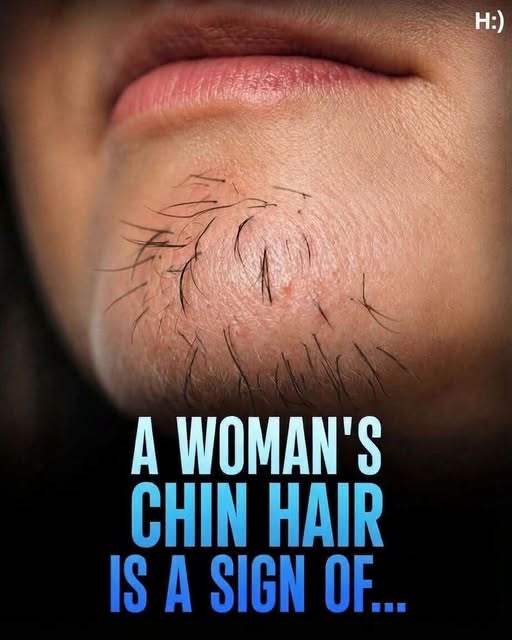
If other women in your family have similar facial hair patterns, genetics may be one contributing factor.
2. Hormonal Changes Can Affect Facial Hair
Hormone levels change throughout life, and these shifts can influence hair growth. Some women notice more facial hair during perimenopause or after menopause, when estrogen levels decline and the balance between different hormones changes.
A few isolated chin hairs do not necessarily indicate a hormonal problem. Gradual changes can occur naturally with age, although the timing and extent vary from person to person.
If facial hair develops alongside other unexplained changes, a healthcare professional can help determine whether hormonal testing or further assessment is appropriate.
3. Chin Hair Can Sometimes Be Associated With PCOS
Polycystic ovary syndrome (PCOS) is a hormonal condition that can affect ovulation and androgen levels. One possible symptom is hirsutism, which refers to excessive growth of coarse hair in areas where androgen-sensitive hair commonly develops, including the chin, upper lip, chest, and abdomen.
Other features associated with PCOS may include irregular menstrual periods, persistent acne, or difficulties with ovulation. Symptoms vary, and not everyone with PCOS experiences the same combination.
Having chin hair alone does not mean you have PCOS. Diagnosis depends on a broader assessment of symptoms, medical history, and, when appropriate, examination and testing.
4. Certain Medications May Contribute to Hair Growth
Some medications can affect hair growth or influence hormone-related processes. If you notice a significant change after starting a new medicine or changing a dose, mention it to your prescribing healthcare professional.
Do not stop or alter a prescribed medication on your own. A clinician can review possible side effects and discuss whether an alternative approach is appropriate.
5. When Should You Seek Medical Advice?
A few occasional chin hairs are generally not a cause for concern. However, it is sensible to seek medical advice if facial hair becomes noticeably thicker or increases quickly, particularly if the change is accompanied by other symptoms.
Consider arranging an assessment if you experience:
- New or worsening coarse facial or body hair.
- Irregular or absent menstrual periods.
- Persistent acne or other changes that may be hormone-related.
- Unexplained changes in hair growth alongside other new symptoms.
Rapid hair growth accompanied by a deeper voice, increased muscularity, or other marked changes should be assessed promptly. These symptoms do not establish a particular diagnosis, but they may warrant timely medical evaluation.
6. What Are the Options for Managing Chin Hair?
The best approach depends on the amount of hair, its underlying cause, your skin, and your personal preferences.
Common options include:
- Tweezing: Useful for removing a small number of individual hairs.
- Shaving or facial hair removal products: May be convenient, provided products are suitable for the skin and used according to their instructions.
- Waxing or threading: Can remove hair temporarily, although irritation may occur.
- Laser hair removal: May provide longer-lasting reduction in hair growth, depending on hair color, skin type, and the treatment used.
- Prescription treatments: Certain medicines or topical products may help selected individuals, depending on the cause and their medical history.
If an underlying hormonal condition is contributing to excess hair growth, treating that condition may also help. A healthcare professional can explain the available options and their potential benefits and risks.
The Bottom Line
Chin hair is common among women and is often related to genetics, normal hormonal variation, or aging. A few stray hairs do not automatically indicate a medical condition, and there is no need to feel embarrassed about them.
However, sudden or substantial changes in facial hair, especially when accompanied by menstrual changes or other new symptoms, deserve attention. If you are concerned, a healthcare professional can help identify possible causes and discuss suitable options.
The most important thing is to consider the overall pattern of symptoms rather than drawing conclusions from chin hair alone.