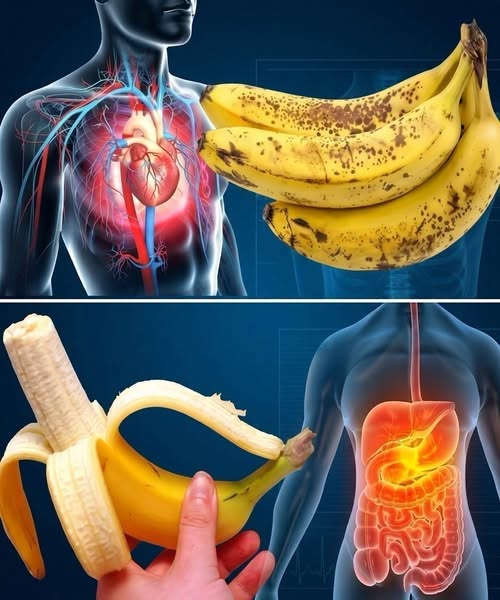
Why Bananas Are So Popular
There are plenty of practical reasons bananas have become such a common snack.
They come in their own natural packaging, are easy to peel, and can be eaten without cooking or preparation. Their natural sweetness also makes them a convenient alternative to some highly processed snacks.
Nutritionally, bananas provide carbohydrates, dietary fiber, potassium, vitamin B6, and smaller amounts of other vitamins and minerals.
Their carbohydrate content can also make them a convenient source of energy, which is one reason bananas are popular with people who want a quick snack before or after physical activity.
What Potassium Has to Do With It
One of the nutrients most closely associated with bananas is potassium.
Potassium is an essential mineral involved in several important functions, including normal muscle contraction, nerve signaling, and fluid balance.
However, bananas are not the only source of potassium. Foods such as potatoes, beans, leafy greens, dairy products, and other fruits can also contribute to daily potassium intake.
For most people, the bigger picture matters more than any single food: a varied diet makes it easier to obtain a broad range of nutrients.
Bananas Also Provide Fiber
Bananas contain dietary fiber, although the amount can vary depending on their size and ripeness.
Fiber is an important part of a healthy diet and can support normal digestive function. Less-ripe bananas also contain more resistant starch than very ripe bananas, while ripening changes the fruit’s texture and carbohydrate composition.
This is one reason the nutritional characteristics of a banana can change somewhat as it moves from green to yellow to heavily speckled.
What About the “Unexpected” Effects?
Eating a banana can affect people differently depending on their overall diet, portion size, and individual digestive system.
Some people may find bananas filling and convenient, while others may notice digestive discomfort if they eat certain amounts or if they are sensitive to particular foods.
There is also a common misconception that one food can dramatically change a person’s health overnight.
In reality, nutrition generally works over time. A person’s overall eating pattern, activity level, sleep, medical history, and other lifestyle factors are much more important than any single piece of fruit.
Are Bananas Right for Everyone?
For most people, bananas can easily fit into a balanced eating pattern.
However, people with certain medical conditions may need to pay closer attention to their potassium intake. For example, individuals with some forms of kidney disease or those taking certain medications may receive specific dietary advice from their healthcare provider.
That doesn’t mean bananas are inherently unhealthy. It simply highlights why nutritional advice can differ from one person to another.
A Simple Food With a Useful Nutritional Profile
Bananas don’t need extraordinary claims to be a worthwhile food.
They are convenient, naturally sweet, and provide carbohydrates, fiber, potassium, and vitamin B6. They can be eaten on their own or added to foods such as oatmeal, yogurt, smoothies, or whole-grain meals.
The most useful way to think about bananas is not as a miracle food, but as one nutritious option among many.
A balanced diet doesn’t depend on a single ingredient. It comes from the variety of foods you regularly choose and how they fit into your overall lifestyle.