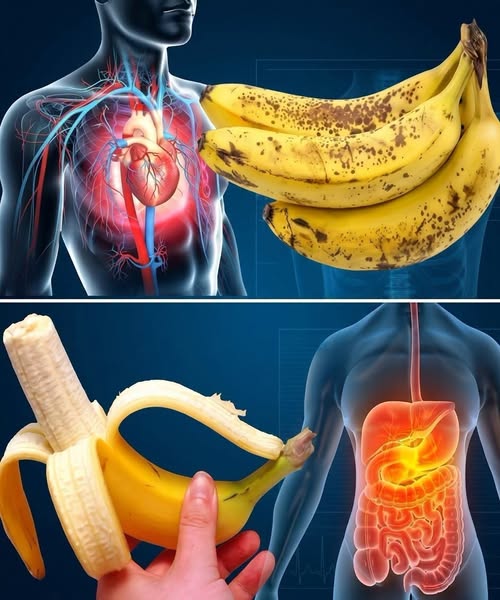
Their nutritional profile can also change as they ripen, which affects their texture, sweetness, and the types of carbohydrates they contain.
Bananas and Heart Health
Potassium is one of the nutrients that makes bananas particularly noteworthy.
The mineral is essential for normal nerve and muscle function and plays an important role in maintaining healthy blood pressure. Potassium also helps balance the effects of sodium in the body.
Eating potassium-rich foods as part of an overall healthy eating pattern can therefore contribute to cardiovascular health.
But there’s an important distinction: a banana isn’t a treatment for high blood pressure or heart disease.
Heart health depends on a much broader combination of factors, including overall diet, physical activity, body weight, smoking status, sleep, and other individual health factors.
Think of bananas as one useful piece of the nutritional puzzle—not the entire picture.
A Helpful Source of Fiber
Bananas also contribute dietary fiber, which is important for digestive health.
Fiber helps support regular bowel movements and contributes to a healthy digestive system. Depending on ripeness, bananas also contain varying amounts of resistant starch, a type of carbohydrate that resists digestion in the small intestine.
Resistant starch can reach the large intestine, where it can be used by certain gut microorganisms.
Green or less-ripe bananas generally contain more resistant starch, while ripening converts some of that starch into simpler sugars, making the fruit sweeter and softer.
That doesn’t mean one stage of ripeness is universally “healthier.” Different people may prefer bananas at different stages depending on taste, digestion, and dietary needs.
Why Athletes Often Reach for Bananas
There’s a reason bananas are a familiar sight around gyms, running events, and sports facilities.
They provide carbohydrates that the body can use for energy, along with fluids and several micronutrients.
For someone exercising, a banana can be a convenient pre-workout or post-workout snack, especially when paired with another source of protein for a more substantial meal or snack.
For everyday life, the same carbohydrate content can make bananas a practical alternative to highly processed sweet snacks.
Can Bananas Improve Your Mood?
This is where some popular claims go too far.
Bananas contain vitamin B6, which is involved in normal brain function and the production of neurotransmitters. That doesn’t mean eating a banana will suddenly make someone happier or treat depression.
Mood is influenced by a complicated combination of biological, psychological, social, and lifestyle factors.
A nutritious diet can contribute to overall well-being, but no single fruit should be presented as a solution for mental-health conditions.
Are Bananas Good for Weight Management?
Bananas sometimes get caught in contradictory nutrition advice.
Some claims portray them as a weight-loss food, while others warn that their natural sugars or carbohydrates make them unsuitable for dieting.
Neither extreme tells the full story.
A medium banana provides relatively modest calories while supplying carbohydrates, fiber, and several micronutrients. Whether it fits into a person’s diet depends on their overall calorie intake, nutritional needs, activity level, and health goals.
In other words, a banana doesn’t automatically cause weight loss or weight gain.
The broader eating pattern matters far more than one individual food.
What Bananas Can’t Do
Despite their nutritional value, bananas shouldn’t be treated as a cure-all.
They cannot:
- Cure heart disease
- Replace prescribed medical treatment
- Guarantee weight loss
- Instantly resolve digestive problems
- Dramatically change your mood after one serving
- Provide every nutrient your body needs
People with specific medical conditions or dietary restrictions may also need individualized advice from a qualified healthcare professional.
The Bottom Line
Bananas deserve their place as a nutritious, affordable, and convenient fruit—but not because they’re a miracle food.
Their potassium supports normal muscle and nerve function, their carbohydrates provide readily available energy, and their fiber and resistant starch can contribute to digestive health.
Most importantly, bananas are easy to incorporate into an otherwise varied diet.
The bigger lesson is simple: long-term health isn’t built around one “superfood.” It’s built through consistent habits—eating a variety of nutritious foods, staying physically active, getting adequate sleep, and following appropriate medical guidance when needed.
So go ahead and enjoy the banana.
Just don’t expect it to do everything.