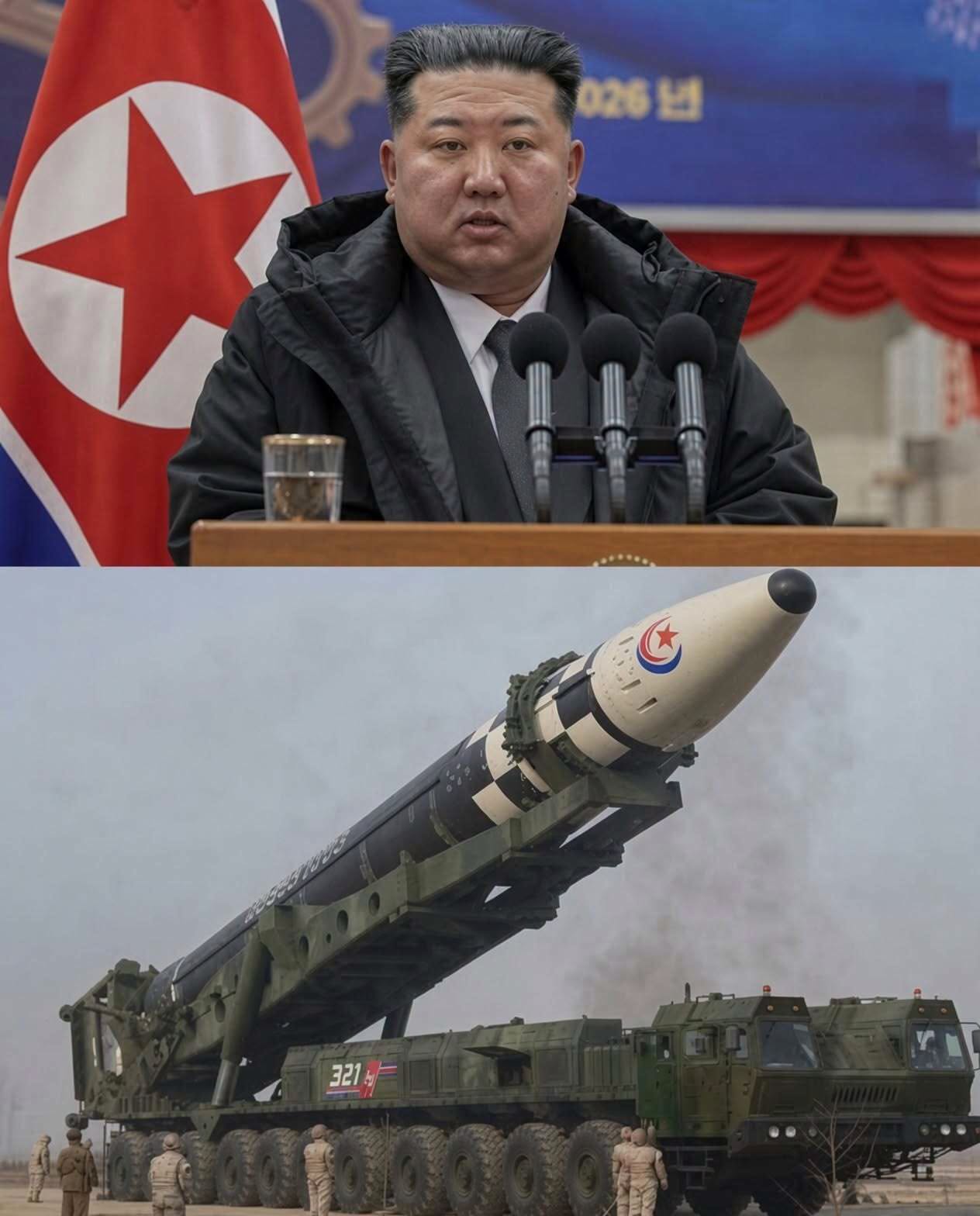
- Emotional reactions: Headlines suggesting an imminent attack can prompt fear before readers have time to examine the evidence.
- Limited context: Short posts may omit the date, location, source, or distinction between a threat and an actual military order.
- Repetition across platforms: When multiple accounts repeat the same allegation, it can appear credible even when they are all relying on the same unverified source.
- Sensational wording: Dramatic phrases can attract clicks and shares without providing enough information to establish what happened.
Recognizing these patterns helps readers evaluate urgent claims more carefully.
How Can Readers Check the Facts?
When a headline describes a possible military attack, a few simple steps can help establish whether the report is reliable.
First, look for an official statement from the relevant government or military authority. Next, check whether established news organizations independently report the same development. Pay attention to publication dates, since an older statement may be presented online as if it were new.
It is also important to read beyond the headline. An article discussing military preparedness or a warning issued during a diplomatic dispute may not support a claim that an attack has been ordered.
If the original source cannot be identified, it is better to wait for reliable confirmation than to share the claim as fact.
Why Accurate Reporting Matters
Misinformation about military activity can create unnecessary anxiety and distort public understanding of international events. It can also make it harder for readers to distinguish genuine security developments from rumors.
Responsible reporting does not mean ignoring regional tensions. It means describing what is known, identifying what remains uncertain, and avoiding conclusions that the available evidence cannot support.
For the same reason, readers should be cautious about claims that a government has completely ruled out military action unless a specific, verifiable statement supports that conclusion.
What Readers Should Take Away
The viral claim that Korea has ordered an attack should be approached with caution because the information supplied does not establish that such an order exists. Meanwhile, documented tensions between North and South Korea remain a separate issue that should be followed through reliable reporting.
The most useful response to an alarming headline is not immediate panic or automatic dismissal. It is careful verification, attention to context, and a willingness to wait for credible information.
Have you encountered this headline on social media? Before sharing it, check whether reliable sources confirm the details. Share your thoughts in the comments and help encourage a more informed conversation about international news.