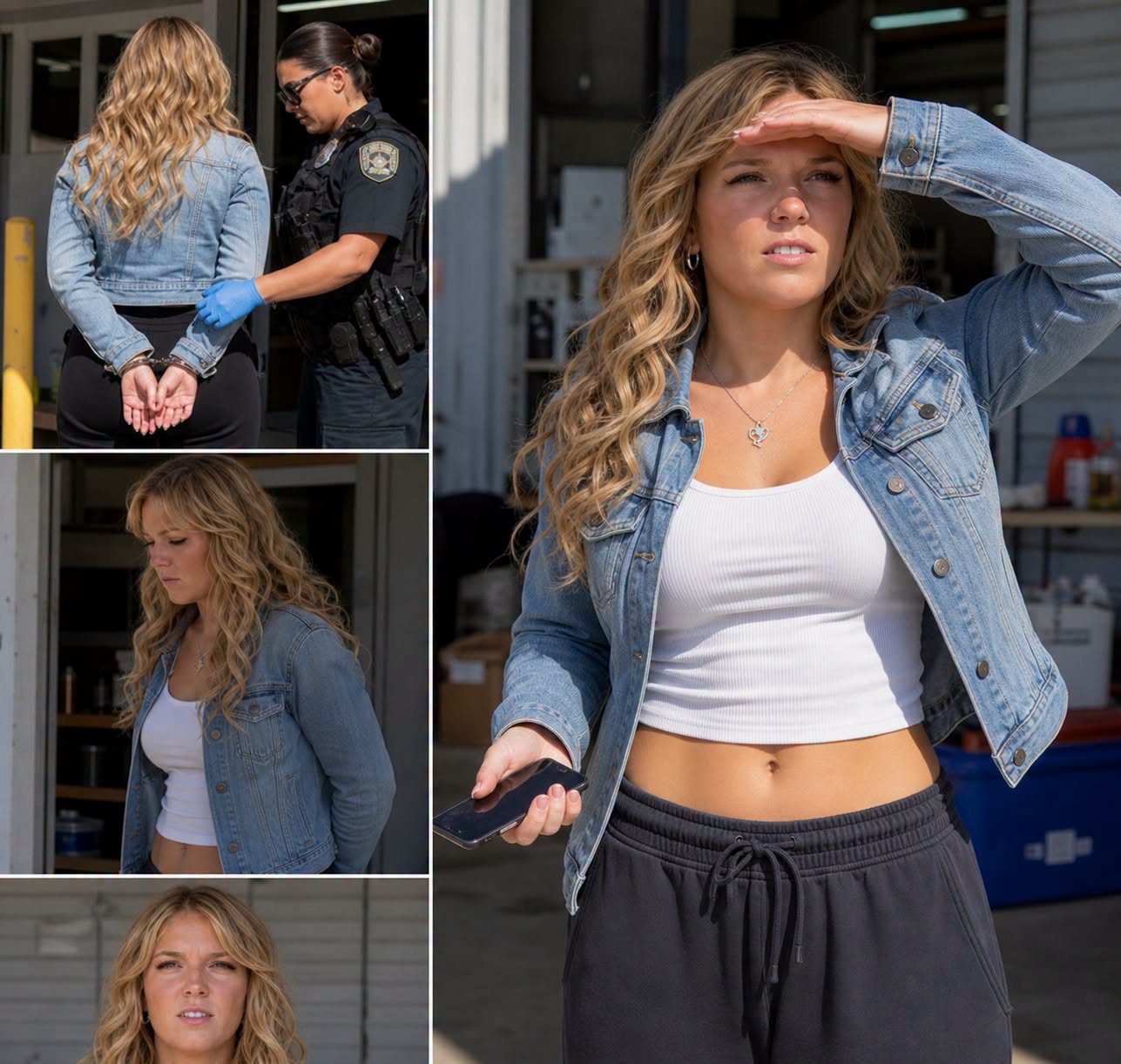
A Short Video Can Tell Only Part of the Story
Smartphones have made it easier than ever to document events as they happen. Recording can sometimes provide useful information about an incident, particularly when authorities need to understand what took place.
However, a short video rarely provides the complete context.
Viewers may not know what happened before the recording began, what was said by the people involved, or what occurred after the camera was turned off. Despite these limitations, social media discussions can quickly turn a brief clip into a much larger story.
Social Media Adds Another Layer
Once footage begins circulating online, people who were nowhere near the original scene can become part of the conversation.
Some viewers may focus on the behavior shown in the video, while others may speculate about the circumstances surrounding it. Comments can quickly move beyond the available facts, with people forming strong opinions based on only a few seconds of footage.
This can make it difficult to separate what is known from what is simply speculation.
The Role of Bystanders
Recording an incident can be understandable when people believe documentation may be useful. At the same time, filming someone during a difficult or embarrassing moment raises questions about privacy and responsibility.
There is an important difference between documenting an event for legitimate reasons and sharing footage simply because it is likely to attract attention.
Before posting a video, it can be worth considering whether sharing it adds useful information or simply exposes someone to unnecessary public scrutiny.
A Reminder About Online Judgment
Public incidents often become more complicated once they move from the physical world to social media. A situation that authorities may regard as a relatively limited disturbance can become the subject of thousands of comments and competing interpretations online.
The people watching the footage may never know the full circumstances surrounding the event. That makes caution especially important when discussing individuals whose identities or personal circumstances are not fully known.
Think Before You Share
There is value in documenting events, but responsible sharing requires context and restraint.
A video can preserve an important record of what happened, yet it can also turn a private or difficult moment into something that remains searchable and shareable for years.
The next time a dramatic scene appears in a social media feed, it may be worth taking a moment before drawing conclusions. Ask what the footage actually shows, what information is missing, and whether sharing it serves a useful purpose.
In an age when almost every public moment can become digital content, a little caution can help ensure that real people are not reduced to a few seconds of video.