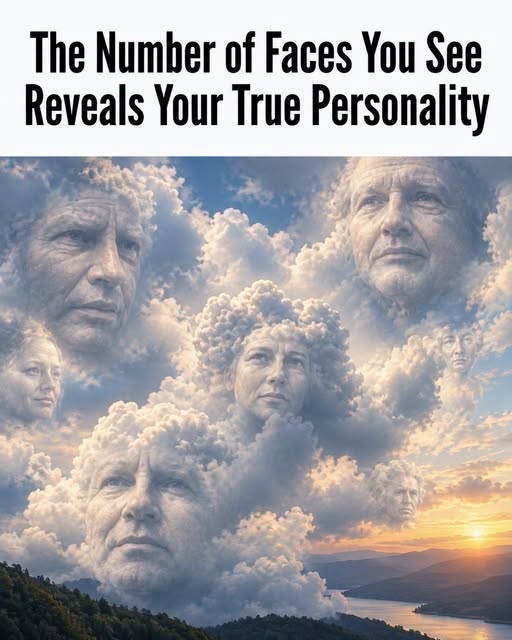
Start by looking at the entire picture rather than concentrating on one particular area. Notice the outlines, shadows, and spaces between objects. If you do not spot every face immediately, try changing your focus or looking at the image from a different perspective.
There is no need to rush. The goal is to enjoy the challenge and discover how different parts of the picture fit together.
Why Do People Notice Different Details?
Human vision is a complex process. Our brains interpret information from the eyes and organize it into meaningful shapes, objects, and scenes.
Several factors can influence what we notice first, including contrast, visual complexity, familiarity, expectations, and the direction of our attention.
In an image with hidden faces, a curved line might initially look like part of an ordinary object. Once the viewer recognizes the outline of a face, however, that same line may become much easier to interpret.
This experience is one reason optical illusions are so engaging. They demonstrate that seeing is not simply a matter of receiving visual information; the brain also plays an active role in interpreting it.
Does the Number of Faces Reveal Your Personality?
It can be tempting to associate the number of faces someone sees with specific personality traits. For example, an online puzzle might suggest that people who find more faces are more observant, creative, or intelligent.
However, there is no established scientific evidence that the number of faces identified in a single image can reliably determine a person’s personality, intelligence, or emotional characteristics.
The result may depend on several ordinary factors, such as how the image is designed, the viewer’s familiarity with similar puzzles, their attention at that moment, and how clearly the hidden shapes are presented.
For this reason, any personality interpretation attached to the puzzle should be treated as entertainment rather than a psychological assessment.
What Makes Hidden-Image Puzzles So Interesting?
These puzzles invite people to slow down, reconsider what they see, and search for alternative interpretations. They can also encourage conversation, as friends and family compare which details they noticed first.
The experience of suddenly recognizing a hidden face can feel especially satisfying. Once a pattern becomes clear, it may be difficult to look at the image in the same way again.
Although a puzzle cannot provide a reliable assessment of someone’s character, it can offer an enjoyable opportunity to explore attention, pattern recognition, and the different ways people interpret visual information.
The Takeaway
How many faces can you find in the picture? The answer can make for an entertaining challenge, but it should not be treated as a measure of your intelligence or personality.
Take your time, examine the details, and compare what you notice with what others see. The real value of this visual puzzle lies in the process of discovery—and in the fascinating ways our brains make sense of what we see.