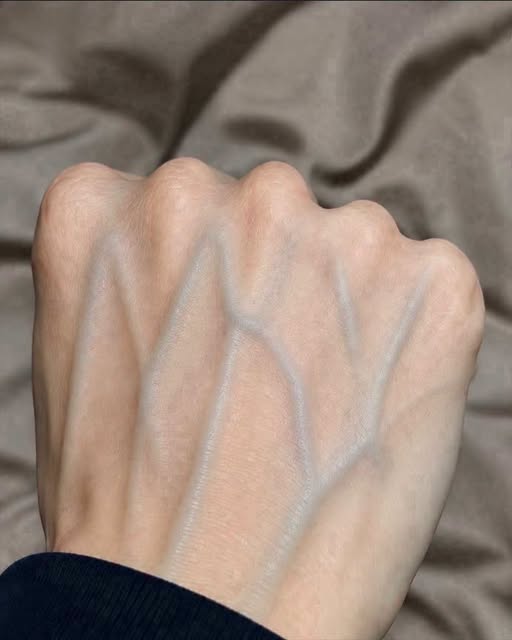
- Lower body fat: With less tissue beneath the skin, veins may be easier to see.
- Exercise: Physical activity, particularly strength training, can temporarily increase blood flow and make veins more noticeable.
- Warm temperatures: Heat can cause blood vessels near the skin to widen, which may make veins appear more prominent.
- Aging: Skin can become thinner and less elastic over time, allowing veins to show through more clearly.
- Genetics: Some people naturally have more visible veins than others.
- Temporary changes: Hydration, physical activity, and even body position can affect how noticeable veins appear.
These factors can vary from day to day, so seeing more prominent veins does not necessarily mean that something is wrong.
When Should You Pay Closer Attention?
Visible veins on their own are usually not enough to indicate a medical condition. However, a new or unusual change accompanied by other symptoms may deserve professional evaluation.
Consider speaking with a healthcare professional if prominent veins are associated with:
- Persistent pain or tenderness
- Noticeable swelling
- Warmth or redness around the area
- Changes in skin color
- Numbness or unusual sensations
- A significant change that occurs without an obvious explanation
- Wounds or sores that are slow to heal
The location of the visible veins and the presence of other symptoms can help a clinician determine whether further evaluation is appropriate.
When to Seek Urgent Care
Some symptoms require prompt medical attention. Sudden swelling or significant pain in an arm or leg, particularly when accompanied by breathing difficulties, chest pain, fainting, or other serious symptoms, should be treated as an urgent medical concern.
These symptoms can have several possible causes, and only a healthcare professional can determine what is happening.
The Important Difference Is Change
For most people, visible veins are simply part of normal anatomy. A person who has always had prominent veins and feels otherwise well may have no reason for concern.
On the other hand, a sudden change—especially one accompanied by pain, swelling, skin changes, or other unusual symptoms—is worth discussing with a healthcare professional.
Rather than trying to diagnose the cause based on appearance alone, consider the overall pattern and whether anything else has changed.
The Bottom Line
Visible veins do not automatically mean that you are especially fit, dehydrated, unhealthy, or affected by a particular medical condition. Their appearance can be influenced by many normal factors, including genetics, exercise, body composition, temperature, and age.
If you are concerned about a new or persistent change, a qualified healthcare professional can assess your symptoms and provide appropriate advice.
Medical disclaimer: This article is intended for general informational purposes and does not provide a diagnosis or replace professional medical advice. If you have concerning or rapidly worsening symptoms, seek appropriate medical care.