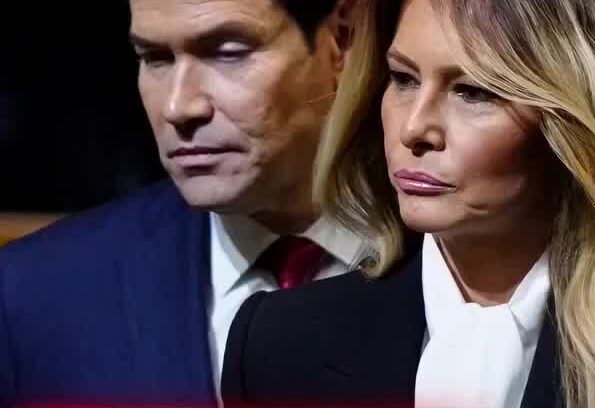
According to published reports, the attorney warned that Melania Trump would have “no alternative” but to pursue a defamation lawsuit if Wolff did not withdraw the statements. The letter alleged significant reputational and financial harm.
Wolff responded by filing a lawsuit seeking a preemptive legal determination that his statements did not constitute defamation. His case also sought relief connected to the prospect of a future lawsuit.
Rather than waiting for the threatened defamation action to be filed, Wolff attempted to have the dispute addressed first through his own legal action.
That approach became a central issue in Vyskocil’s decision.
What the Judge Actually Decided
The opinion distinguished between the existence of a genuine dispute and whether Wolff’s lawsuit was an appropriate vehicle for resolving it.
The judge concluded that the federal court had subject-matter jurisdiction because the parties were citizens of different states and the threatened claim involved a substantial amount of money. However, she declined to exercise that jurisdiction, dismissing Wolff’s case on procedural grounds.
The decision criticized the way the dispute had been brought before the court, rather than resolving the underlying claims about the statements themselves.
That distinction is important. A dismissal of this kind should not be interpreted as a judicial finding that every disputed statement was true or false. Nor does it automatically determine the outcome of any separate defamation action.
The court’s message was narrower: parties must follow the established legal process rather than use a preemptive filing to secure a ruling on a hypothetical future lawsuit.
The Epstein Connection at the Center of the Dispute
The disagreement arose from Wolff’s public comments concerning Melania Trump and Jeffrey Epstein, as well as discussion surrounding the Trump administration’s handling of Epstein-related records.
Melania Trump has denied allegations suggesting a personal connection or affiliation with Epstein and has characterized claims linking her to him as baseless. Wolff, meanwhile, has defended his comments as journalistic work and argued that his statements were not defamatory.
Those competing positions formed the background to the threatened legal action. They were not resolved by the dismissal of Wolff’s preemptive lawsuit.
The case also illustrates why allegations involving public figures require careful reporting. A legal demand letter documents a threat of litigation; it does not prove that the claims in the letter are correct. Likewise, a judge’s decision to dismiss a case on procedural grounds does not settle every factual dispute that prompted it.
What Happens Next?
Wolff filed a notice of appeal on June 18, 2026, challenging the dismissal, according to the federal court docket. The appeal means the dispute over the ruling has continued beyond the original decision. (Federal docket)
The immediate result remains clear: Wolff’s preemptive lawsuit was dismissed, and the judge declined to decide the merits of the underlying defamation disagreement.
The broader legal questions are separate from that outcome. Whether a future defamation claim is filed, what arguments the parties raise, and how a court evaluates those arguments would depend on subsequent proceedings.
For now, the ruling underscores a basic principle of civil litigation: even when a dispute is real and the people involved are prominent, the courts are not obliged to resolve it through the procedure one party prefers.
Vyskocil’s decision was a rebuke of Wolff’s chosen legal strategy—not a final judicial determination of the disputed allegations involving Melania Trump and Jeffrey Epstein.