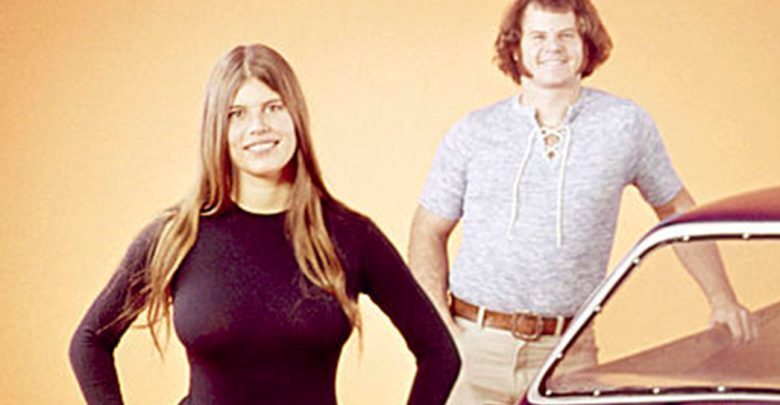
Jungle Pam Hardy: The Drag Racing Icon Who Became a Legend of the 1970s
In the high-energy world of 1970s drag racing, few personalities became as recognizable as Jungle Pam Hardy. With her signature style, confident presence, and close association with one of the sport’s most flamboyant showmen, she became an unforgettable figure at drag strips across America.
Known to fans simply as Jungle Pam, Hardy helped turn race-day appearances into part of the spectacle. But her story goes beyond vintage photographs and the attention she attracted. She was a working member of a drag-racing team, a witness to one of the sport’s most memorable eras, and a lasting part of its history.
So, who was Jungle Pam Hardy, and why do racing fans still remember her decades later?
How Jungle Pam Met Jungle Jim
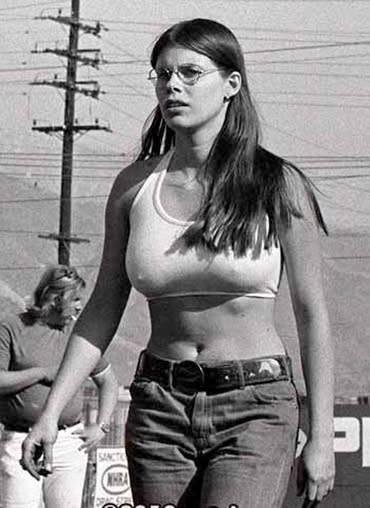
Hardy’s story took an unexpected turn in 1972, shortly before she was due to graduate from high school. She met Jim Liberman, the Pennsylvania-born drag racer widely known as “Jungle Jim,” and soon found herself drawn into his fast-moving world.
Liberman was famous for his personality as much as his driving. His colorful approach to racing helped make his appearances memorable, and his funny cars attracted attention wherever he competed.
Hardy had been considering college, but her meeting with Liberman changed her plans. She joined him on the road, becoming part of a racing operation that combined competition with showmanship.
Their partnership quickly attracted attention. Liberman understood that the presentation surrounding a race could be just as memorable to spectators as the run itself. Hardy’s presence near his car became a defining feature of the team’s public image.
The Woman Who Helped Make Race Day a Show
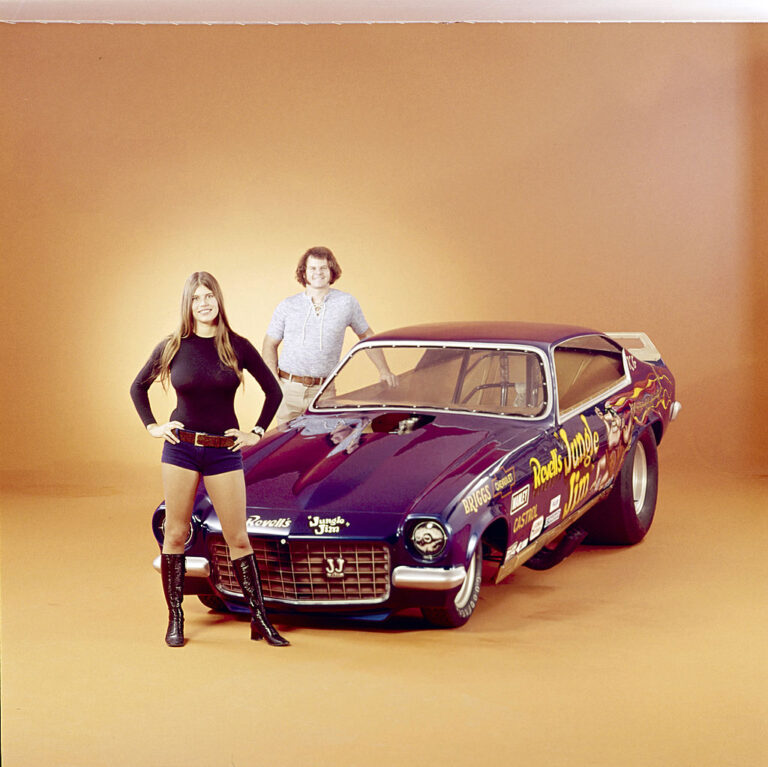
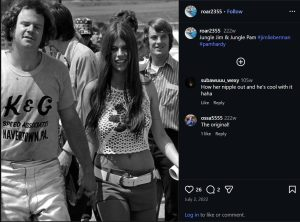
Hardy became famous for standing alongside Liberman’s funny car, particularly during staging and other preparations before a run. Her distinctive appearance and confidence made her instantly recognizable to fans.
At a time when motorsports remained heavily male-dominated, she occupied a highly visible role in an environment where women were often treated as spectators rather than contributors.
Yet Hardy’s contribution was not limited to appearances. She helped prepare the car for runs, checked for fluid leaks, assisted with practical trackside tasks, and handled equipment and parachutes after races. These responsibilities placed her within the demanding routine of a working drag-racing team.
Her role demonstrated how much coordination went into a successful race weekend. Drivers might command attention when the engines roared, but a racing operation depended on the people helping prepare the vehicle and keep the show moving.
Hardy later acknowledged that she and Liberman understood the value of spectacle. Their approach helped draw attention to his car and gave fans another reason to remember the team.
Why Jungle Pam Became a Racing Icon
Jungle Pam stood out because she brought together several elements that made the era distinctive: bold personalities, dramatic cars, lively crowds, and a sense of entertainment that extended beyond the starting line.
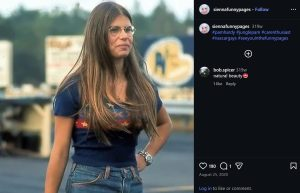
Her signature shorts and tops became part of her recognizable look, and photographs of her alongside Liberman’s cars circulated among racing enthusiasts. Her visibility helped her become one of the best-known women associated with drag racing during the 1970s.
But reducing her legacy to her appearance misses an important part of the story. Hardy was present in a demanding motorsports environment and contributed to the team’s day-to-day work. Her popularity also illustrates how personality and presentation could help a racing team connect with its audience.
Her fame was closely tied to Liberman, but the enduring interest in her story reflects the distinctive place she carved out in the sport’s culture.
The Tragedy That Changed Everything
On September 9, 1977, Liberman died in a road accident involving his 1972 yellow Corvette. He was just days short of his 32nd birthday.
His death devastated people who had followed his career and marked a heartbreaking turning point for Hardy. The man with whom she had shared years of travel, racing events, and public attention was suddenly gone.
Hardy later recalled learning about the tragedy from her mother, who wanted to tell her personally rather than have her discover the news through the media.
After Liberman’s death, Hardy stepped away from her prominent role in drag racing. She had been part of a partnership built around his personality and their shared life on the circuit, and continuing in the same way without him was not something she wished to do.
Even so, she remained connected to his memory and the community that had formed around his racing career.
Preserving the Memory of Jungle Jim
For fans, Liberman represented an era when a drag racer could become a larger-than-life personality. Hardy’s recollections have helped preserve that image, offering insight into the man beyond his performances at the track.
She has spoken about his showmanship as a genuine part of his character rather than something he switched on only for an audience. Her memories add a personal dimension to the history of a racer whose reputation was built on energy, confidence, and spectacle.
Through appearances and conversations about their time together, Hardy has continued to help keep that period of drag racing alive for longtime followers and newer enthusiasts discovering it through archival photographs and videos.
Her perspective is valuable because she experienced the era firsthand—not simply as someone standing beside a famous car, but as a person who traveled with the team and witnessed the life behind the public image.
Did Jungle Pam Ever Race a Car Herself?
Despite her strong association with drag racing, Hardy was not known as a competitive driver. Her role was primarily on the team’s trackside side, helping with preparations and contributing to the presentation surrounding Liberman’s funny car.
In interviews, she has expressed little desire to take the wheel of one of the powerful machines. Her contribution was different, but it became an important part of the spectacle that fans remember.
Drag racing has always depended on a range of skills, from driving and mechanical work to preparation, coordination, and communication. Hardy became famous through a role that was distinctive in its own right.
Jungle Pam Hardy’s Life Beyond the Spotlight
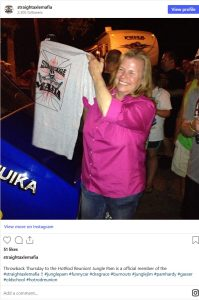
Although public interest in Hardy remains strong, she has generally maintained a more private life than she did during her years alongside Liberman.
Her personal life continued after their relationship ended with his death, and she later married again. Over time, her connection to the racing world became less about daily competition and more about memories, appearances, and the history she helped shape.
Exact details about a person’s current age, activities, or private circumstances should be checked against recent, reliable sources rather than assumed from older profiles. What is clear is that her name continues to generate interest among drag-racing enthusiasts.
For many fans, Hardy represents a vivid link to a period when motorsports combined raw mechanical power with unforgettable personalities and a distinctly grassroots atmosphere.
A Lasting Place in Drag Racing History
Looking back at photographs of Jungle Pam beside Liberman’s funny car is like opening a window onto 1970s drag racing. The images capture more than clothing, cars, and crowds. They preserve a style of motorsports entertainment in which personality and performance became inseparable.
Hardy helped make that era memorable. Her recognizable appearance brought her into the spotlight, while her practical work and firsthand connection to Liberman’s career gave her a lasting place in the story of the sport.
Her legacy also reflects the complicated position of women in a traditionally male-dominated environment. She became famous partly through the spectacle surrounding her, but her contribution was rooted in her participation in the racing operation itself.
Decades later, Jungle Pam Hardy remains a familiar name to fans who cherish drag racing’s colorful past. Her story is intertwined with Jungle Jim’s, yet it also stands as a reminder that the history of motorsports is shaped by more than the drivers who cross the finish line.
For those who remember the era, Hardy represents the excitement, individuality, and unmistakable personality that made those race days unforgettable.