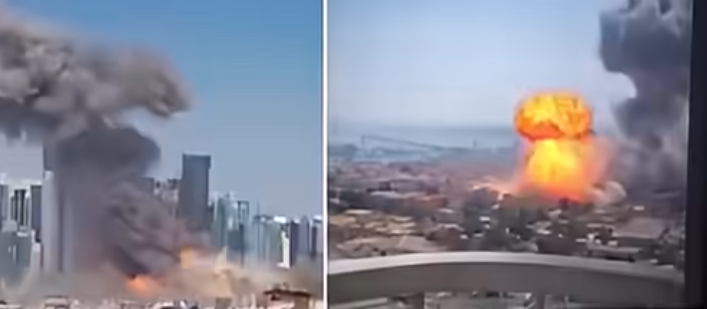
The resulting exchange demonstrated how quickly disputes surrounding the Strait of Hormuz can spill beyond the waterway itself and affect countries that host American military facilities.
The Strait of Hormuz remains at the center
Much of the confrontation has focused on the Strait of Hormuz, one of the world’s most important energy routes.
Iran has sought to influence which routes commercial vessels use, while the United States has promoted alternative navigation arrangements along the Omani side of the waterway. The disagreement has created significant uncertainty for shipping companies and energy markets.
The consequences extend far beyond the Gulf. Reduced shipping through the strait can affect oil supplies, transportation costs, insurance rates and energy prices around the world.
Diplomacy has not completely disappeared
Despite the military exchanges, diplomatic channels have remained open.
On June 29, U.S. officials indicated that discussions involving Qatar were still being pursued. Iran, however, disputed some reports about the timing and nature of direct talks with Washington.
That uncertainty illustrates the difficulty of negotiating while military operations and competing public statements continue.
The situation was therefore serious, but describing it as an inevitable path toward a global war would go beyond the available evidence. The attacks represented a major escalation, yet diplomatic efforts were still being attempted at the same time.
What has happened since June
The situation has continued to evolve.
As of August 26, the immediate circumstances are different from those described in the original account. Reuters reports that Iran and Oman have reached agreements concerning management and revenue-sharing arrangements for the Strait of Hormuz, while the United States and Iran remain in a prolonged and tense confrontation.
Separate reporting indicates that Washington has also begun returning some diplomatic personnel to Middle Eastern posts that had previously been reduced or evacuated, suggesting that officials perceive a lower immediate risk in some locations even though significant tensions remain.
The Strait itself remains a major concern. Recent negotiations have focused on reopening the waterway and establishing workable navigation arrangements, while maritime attacks and restrictions continue to affect commercial traffic.
Why the situation matters
The most important lesson from the June escalation is how closely military security, diplomacy and global economics are connected.
A confrontation involving two countries can quickly affect neighboring states, military personnel, commercial vessels and energy markets far beyond the immediate battlefield.
For civilians in the region, the priority remains straightforward: reliable information, personal safety and clear instructions from local authorities.
For the international community, the larger challenge is preventing another exchange of attacks from closing the remaining diplomatic space.
The Persian Gulf remains tense, but the story is not simply one of inevitable escalation. Even amid military confrontation, negotiations and regional mediation have continued. That distinction matters when separating verified developments from predictions about what might happen next.