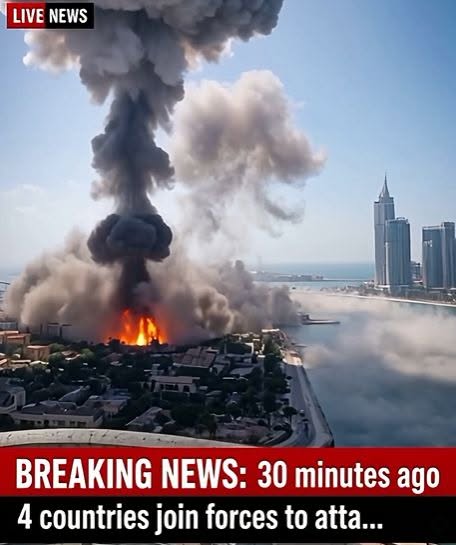
These missing details matter. A headline alone cannot establish that a military operation has been planned or that a conflict is about to begin.
Before publishing such a claim as breaking news, journalists should seek confirmation from official government announcements and multiple reputable news organizations. Until that information is available, the allegation should be treated as unverified.
Why Countries Form Alliances
Countries cooperate for many reasons, including economic development, diplomatic coordination, regional stability, and national defense. The nature of a partnership depends on the agreements its members have signed and the goals they have publicly stated.
International cooperation may include:
- Diplomatic coordination: Governments work together on negotiations and shared international priorities.
- Economic partnerships: Countries coordinate trade, investment, infrastructure, or energy policies.
- Defense agreements: Members establish arrangements for security cooperation or mutual assistance.
- Military training: Armed forces conduct joint exercises to improve coordination and preparedness.
- Intelligence sharing: Governments exchange information to address security concerns.
These forms of cooperation are not interchangeable. The existence of an alliance does not, by itself, demonstrate that its members intend to attack another country.
Could a New Alliance Affect Regional Security?
The impact of an international partnership depends on its membership, objectives, and relationship with other countries in the region.
Some agreements may strengthen communication and help governments respond to shared security concerns. Others may prompt neighboring countries to reassess their diplomatic or defense policies, particularly if they believe the agreement could alter an existing balance of power.
However, it would be premature to predict a military confrontation without specific evidence about the countries involved and the nature of their agreement.
Military exercises, public statements, and defense cooperation should be interpreted in context rather than treated automatically as signs of an imminent attack.
What Evidence Would Help Clarify the Situation?
To assess whether the reported development represents a significant military change, readers should look for several kinds of evidence.
First, have the governments involved officially confirmed an agreement? Second, have they explained its purpose and terms? Third, is there credible reporting that independently verifies the announcement? Finally, is there reliable evidence supporting the claim that the countries intend to initiate military action?
Official statements, authenticated documents, and corroborated reporting can help answer these questions. Anonymous online posts and headlines without identifiable sources are not sufficient to establish the details of a military plan.
Readers should also check publication dates and ensure that older news reports have not been presented as new developments.
How International Tensions Can Affect Civilians
International disputes can have consequences beyond government and military planning. When tensions increase, households and businesses may face uncertainty about energy prices, trade, transportation, and economic conditions.
If armed conflict occurs, the human consequences can be far more serious. Civilians may experience displacement, damage to essential infrastructure, interruptions to education, and limited access to food, healthcare, and other necessities.
These risks make accurate reporting important. Unsupported predictions about war can cause unnecessary anxiety, while reliable information helps the public understand developments without exaggerating what is known.
The Role of Diplomacy
Governments and international organizations have several ways to address disagreements without resorting to armed conflict. Diplomatic talks, mediation, negotiations, and formal consultations can provide opportunities to clarify intentions and reduce misunderstandings.
Diplomacy does not guarantee that every dispute will be resolved peacefully, but communication remains an important tool for managing international tensions.
Whether a new partnership contributes to stability or increases concern depends on its specific objectives and how other governments respond. That assessment requires evidence rather than assumptions based solely on a dramatic headline.
How to Follow Developing International News
Readers who encounter reports of a possible military alliance can take practical steps to verify the information:
- Identify the countries involved. A credible report should name the nations and explain the basis for the claim.
- Check official announcements. Review statements from the relevant governments or international organizations.
- Compare reputable news coverage. Look for independent reporting that confirms the central details.
- Separate facts from predictions. An announced defense agreement does not necessarily indicate an intention to start a war.
- Wait for clarification when necessary. Early reports may be incomplete or inaccurate, especially during rapidly developing events.
These steps can help readers make informed judgments and avoid sharing claims that have not been adequately verified.
What Should Readers Take Away?
The claim that four countries have joined forces to attack raises important questions, but the available information does not identify the nations, establish their objectives, or confirm that an attack has been planned.
Those details are necessary to understand the significance of the report. Until credible evidence becomes available, it would be irresponsible to describe the allegation as a confirmed military development.
International alliances can influence diplomacy and security, but their implications vary widely. Reliable reporting should explain the facts, acknowledge uncertainty, and avoid predicting conflict without supporting evidence.