A quiet lake can look almost lifeless from the shoreline.
The surface reflects the clouds above, a fishing bobber drifts gently with the current, and the only sounds may be birds calling from nearby trees or waves tapping against a boat. But beneath that peaceful surface, an entire world is constantly moving.
Small fish search for food and shelter. Predators move silently through deeper water. Insects, plants, and microscopic organisms compete for space along the lake floor.
To the human eye, the bottom of a lake may appear empty. To aquatic life, however, structure can mean the difference between survival and disappearance.
That is where fish cribs come in.
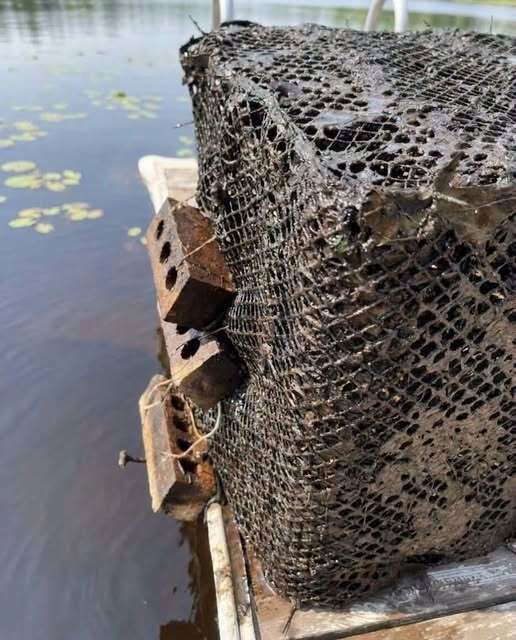
A fish crib is an underwater habitat structure designed to provide shelter for fish and other aquatic organisms. Traditionally, these structures were built from simple materials such as logs, branches, rocks, and other durable natural objects. They were lowered into lakes where natural cover was limited, creating hidden underwater shelters filled with openings where fish could hide.
Some looked like wooden boxes weighted with stones. Others resembled piles of fallen trees arranged beneath the surface. Their designs varied depending on the lake, the available materials, and the types of fish people hoped to support.
At first, many anglers viewed fish cribs as a practical way to improve fishing. They noticed that fish naturally gathered around places that offered protection, such as submerged trees, rocky areas, and weed beds. Open lake bottoms provided very little shelter, especially for young fish that were vulnerable to predators.
The idea was simple: if nature did not provide enough hiding places, people could create them.
Early fishermen understood something important long before modern technology revealed the details of underwater ecosystems. Fish were not randomly scattered throughout a lake. They followed structure.
Where there was shelter, there was usually life.
Keep reading…