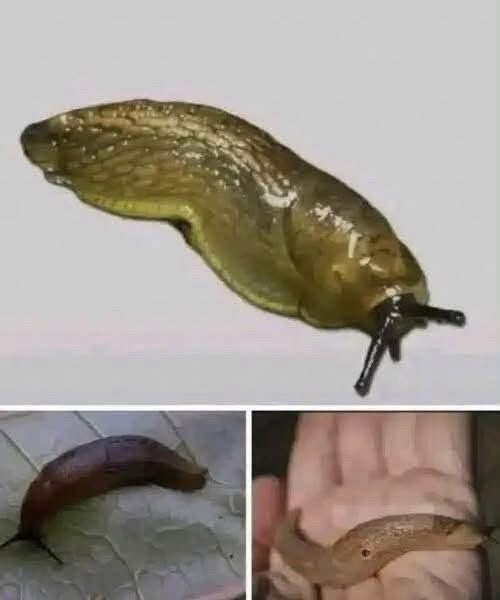
Perhaps the most unexpected thing about slugs is not the animal itself—but the substance they produce.
Slug mucus may look unpleasant, but scientists have discovered that it contains interesting properties.
The mucus helps slugs move across rough surfaces, protect their bodies, retain moisture, and defend themselves from environmental challenges.
Because of these unique qualities, researchers have studied slug mucus for possible applications in areas such as skincare and biotechnology.
In the beauty industry, snail and slug-derived ingredients have gained attention because of compounds associated with hydration and skin-supporting properties.
While these products are not magic solutions, they demonstrate how nature can provide inspiration for human innovation.
Inspiring New Medical Materials
One of the most exciting areas of research involves the adhesive abilities of slug mucus.
Unlike many traditional adhesives, slug mucus can function effectively in wet environments—something that has interested scientists working on medical materials.
Researchers have explored whether mucus-inspired adhesives could eventually help create better methods for supporting wound treatment or surgical procedures.
The goal is not to copy slugs exactly, but to understand the biological principles that make their natural systems work so effectively.
Nature often provides the blueprint.
Scientists simply learn how to read it.
What Slugs Can Teach Us About the Brain
Slugs and other simple organisms have also helped researchers understand how nervous systems work.
Some species, such as sea slugs, have relatively simple nervous systems with large, identifiable neurons. This makes them useful models for studying basic questions about learning, memory, and how nerve cells communicate.
These discoveries do not mean slugs directly solve human brain disorders, but they help scientists understand fundamental biological processes that may contribute to future research.
Why We Should Look at Slugs Differently
Slugs will probably never become the most popular creatures in the animal kingdom.
They are not fast.
They are not colorful.
They do not have the obvious charm of butterflies or birds.
But nature does not measure importance by appearance.
A tiny creature moving slowly through your garden may be contributing to soil health, supporting wildlife, and inspiring scientific ideas that humans can use in the future.
The next time you spot a slug after a rainy evening, you might still prefer that it stays away from your vegetables.
But perhaps you will also pause for a moment and appreciate the remarkable biology happening right in front of you.
Because sometimes the most overlooked creatures are the ones with the most surprising stories.