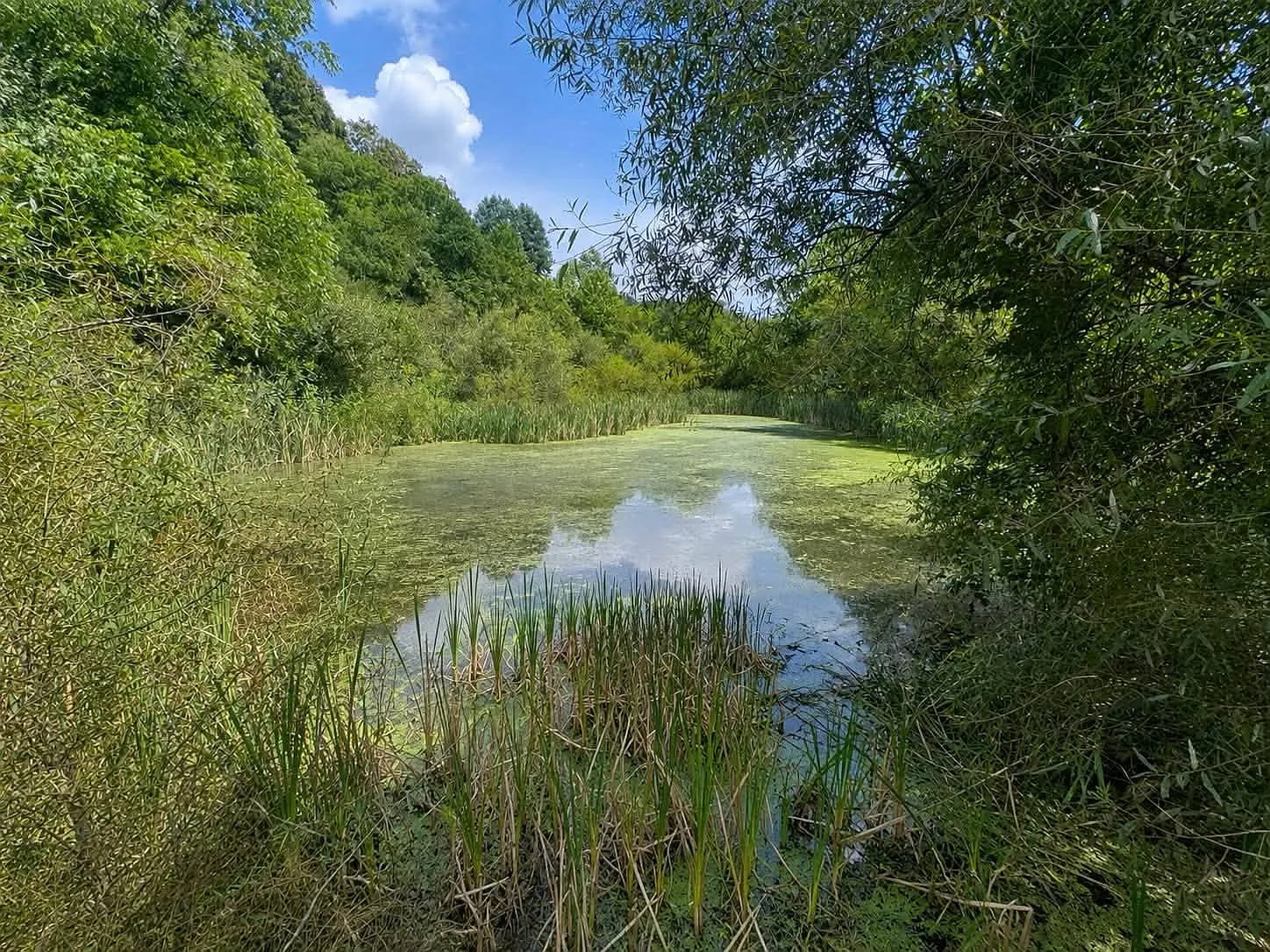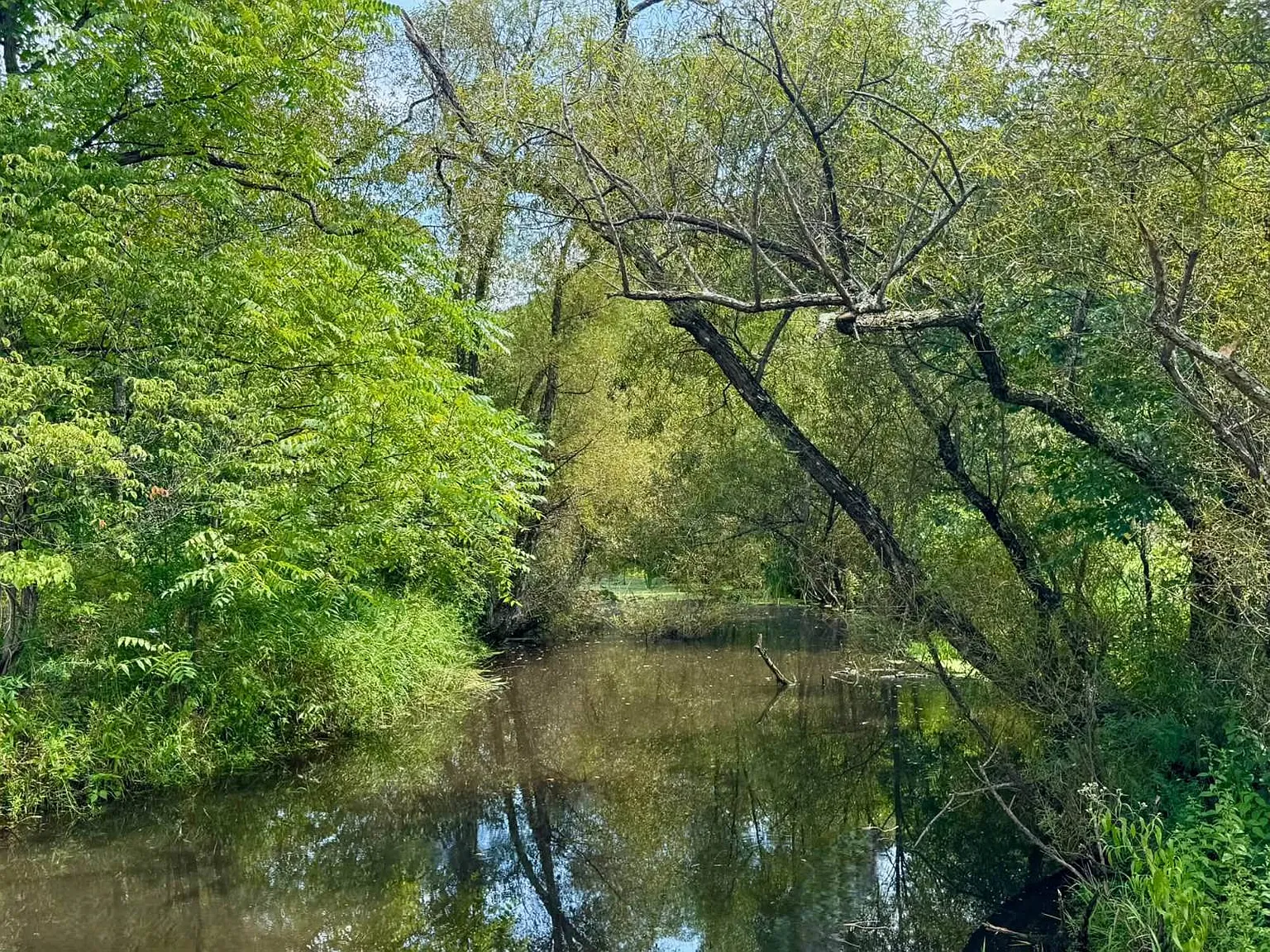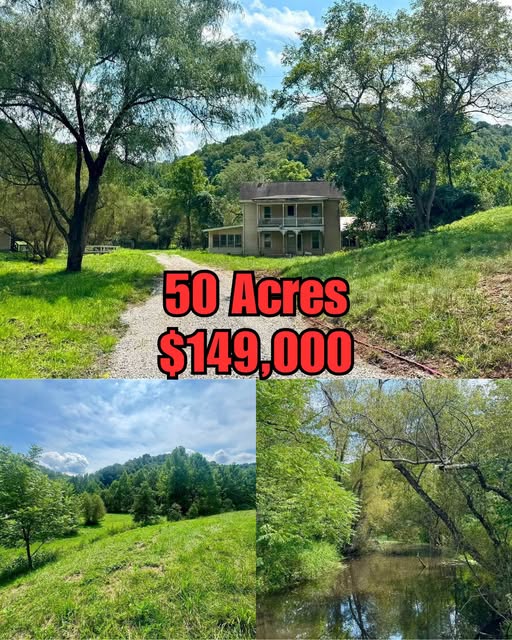
Two ponds are included with the land, along with a natural spring and a drilled well. Those water features may add scenic and practical appeal, but they should be inspected carefully. The listing does not provide details on pond depth, condition, seasonal water levels or whether either pond is stocked.
Anyone considering the property should also evaluate drainage, bank stability, overflow areas and water quality. A natural spring can be a valuable feature, but it should not be assumed safe for drinking or livestock use without testing.
The Utilities Are a Major Advantage, But Still Need Inspection
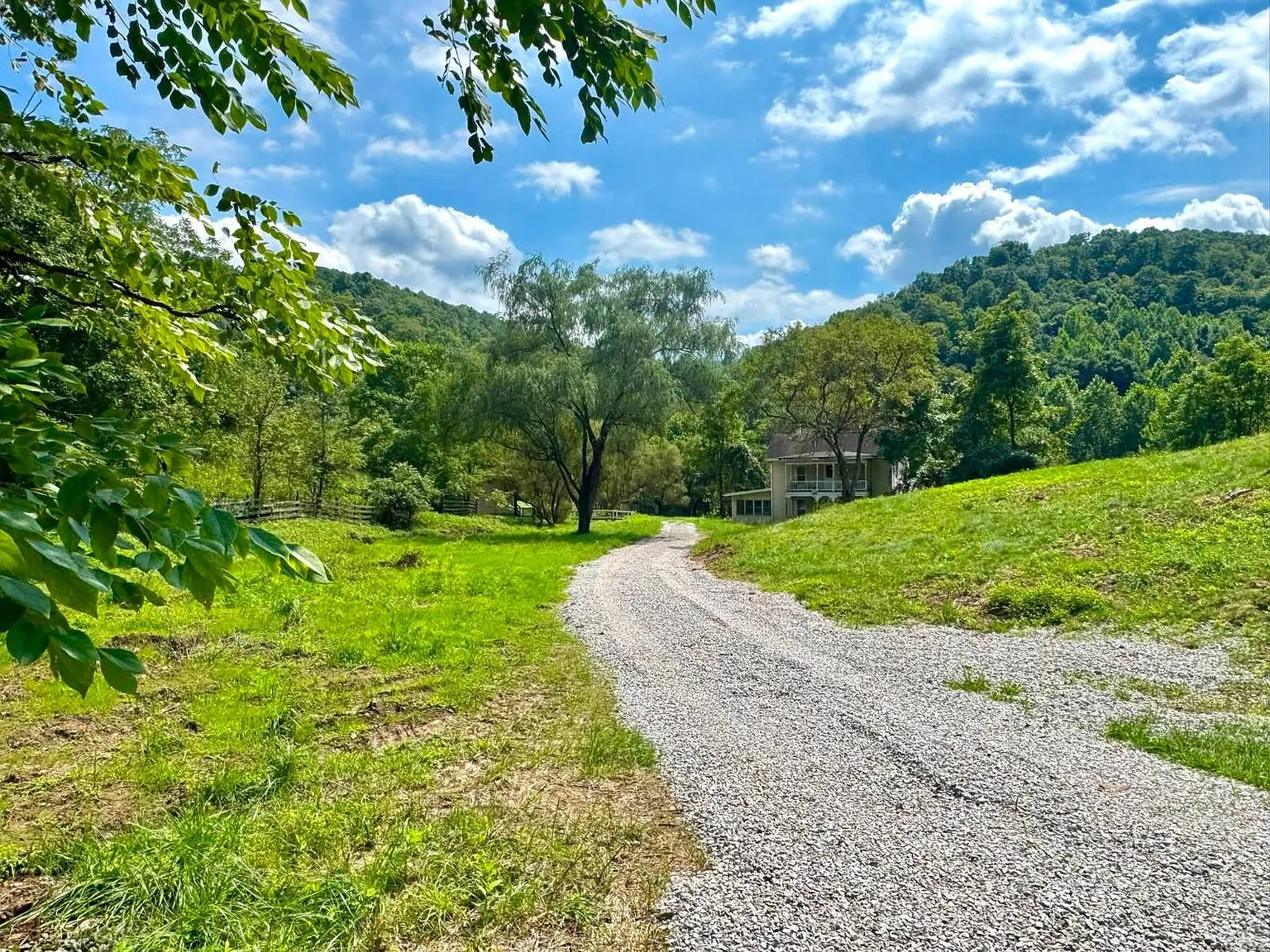
Unlike completely raw land, this property already has a drilled well, septic system, electric service, a gravel driveway and two detached garages. For rural buyers, existing infrastructure can affect both convenience and overall development costs.
Still, having utilities on site does not automatically mean they are ready for a new home or regular use. The well should be checked for water quality, flow rate, pump condition and reliability. The septic system should be inspected for tank condition, drain-field performance, permitted capacity and whether it could legally serve any future residence.
Electrical service should also be verified. A buyer planning new construction, workshop use or major renovation may need upgrades, depending on the current setup and local code requirements.
The two detached garages could eventually be useful for tools, vehicles, tractors, ATVs, building materials or workshop space. However, they are described as needing cleanout and repair, so their condition would need to be evaluated before assigning much value to them. Roofs, framing, foundations, doors, moisture problems, pest damage and electrical service would all matter.
What Buyers Should Know Before Taking It Seriously
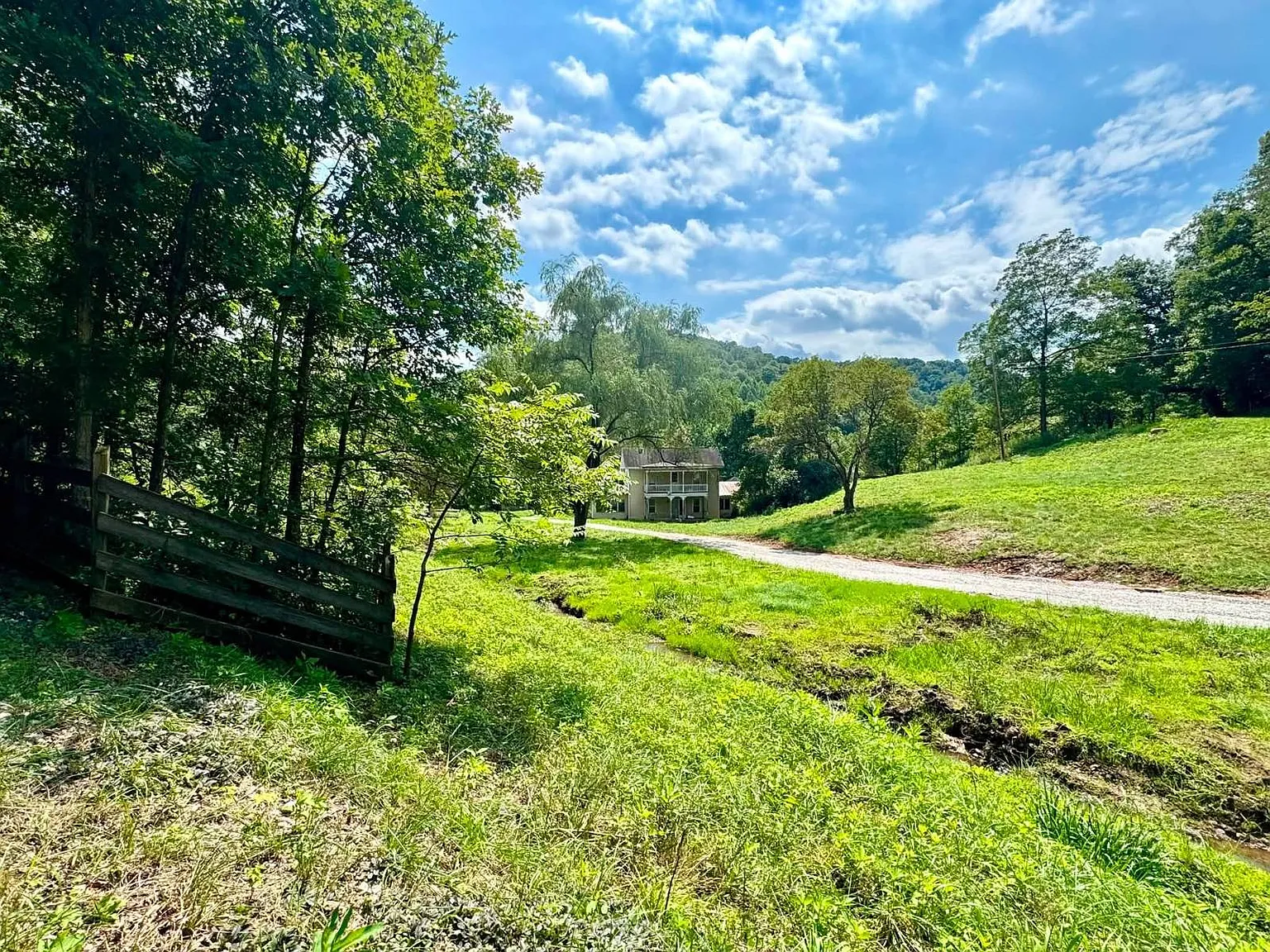
The most complicated part of the listing may be the old house. Built in 1940, it is not currently habitable and should be treated as a major renovation project unless inspections prove otherwise.
A buyer would need to look closely at the foundation, roof, framing, floors, drainage, moisture damage, plumbing, electrical systems and overall structural stability. If the home is too costly to restore, demolition and new construction may become the more practical route. That could bring additional costs for permits, debris removal, disposal and contractor work.
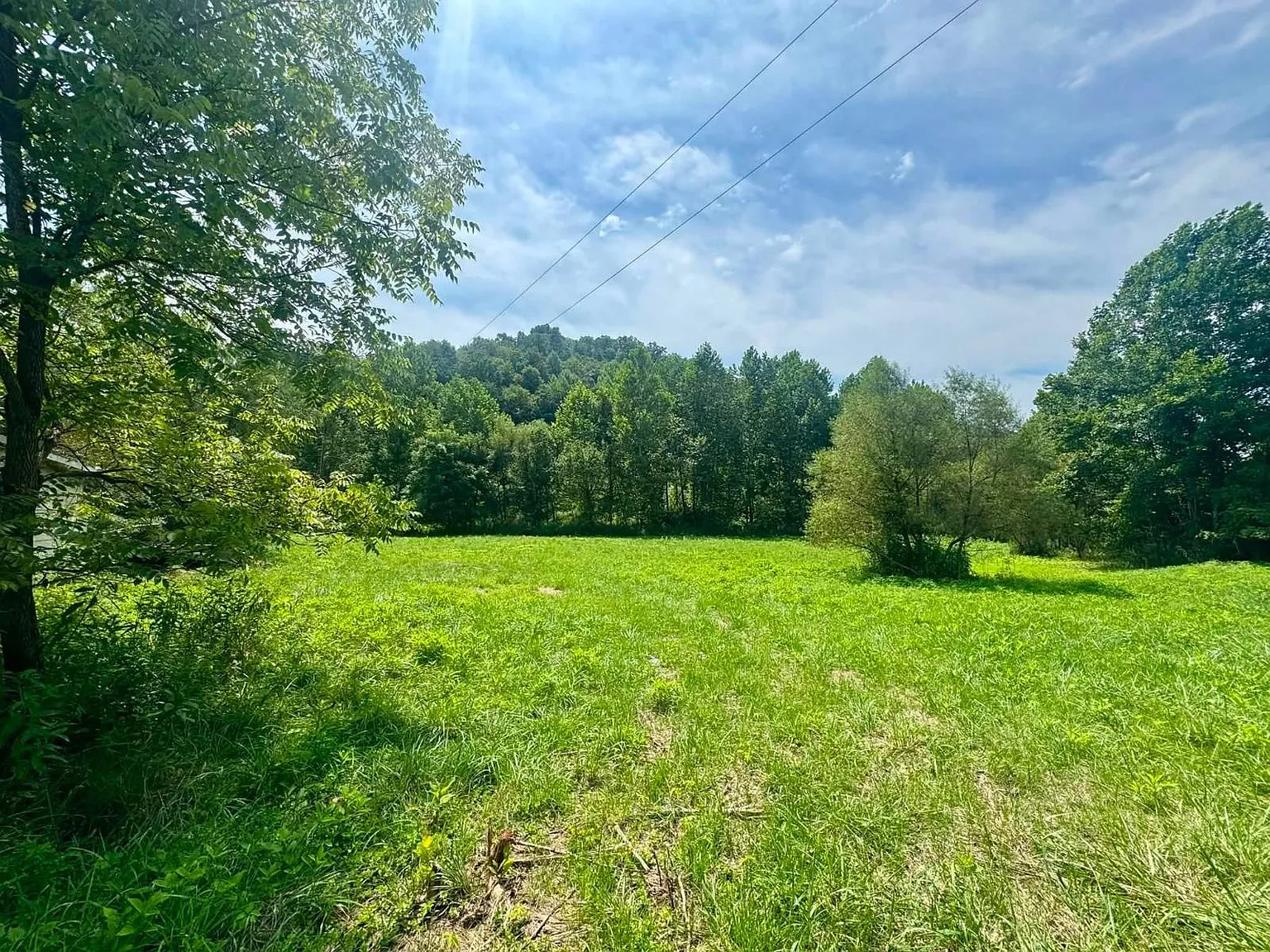
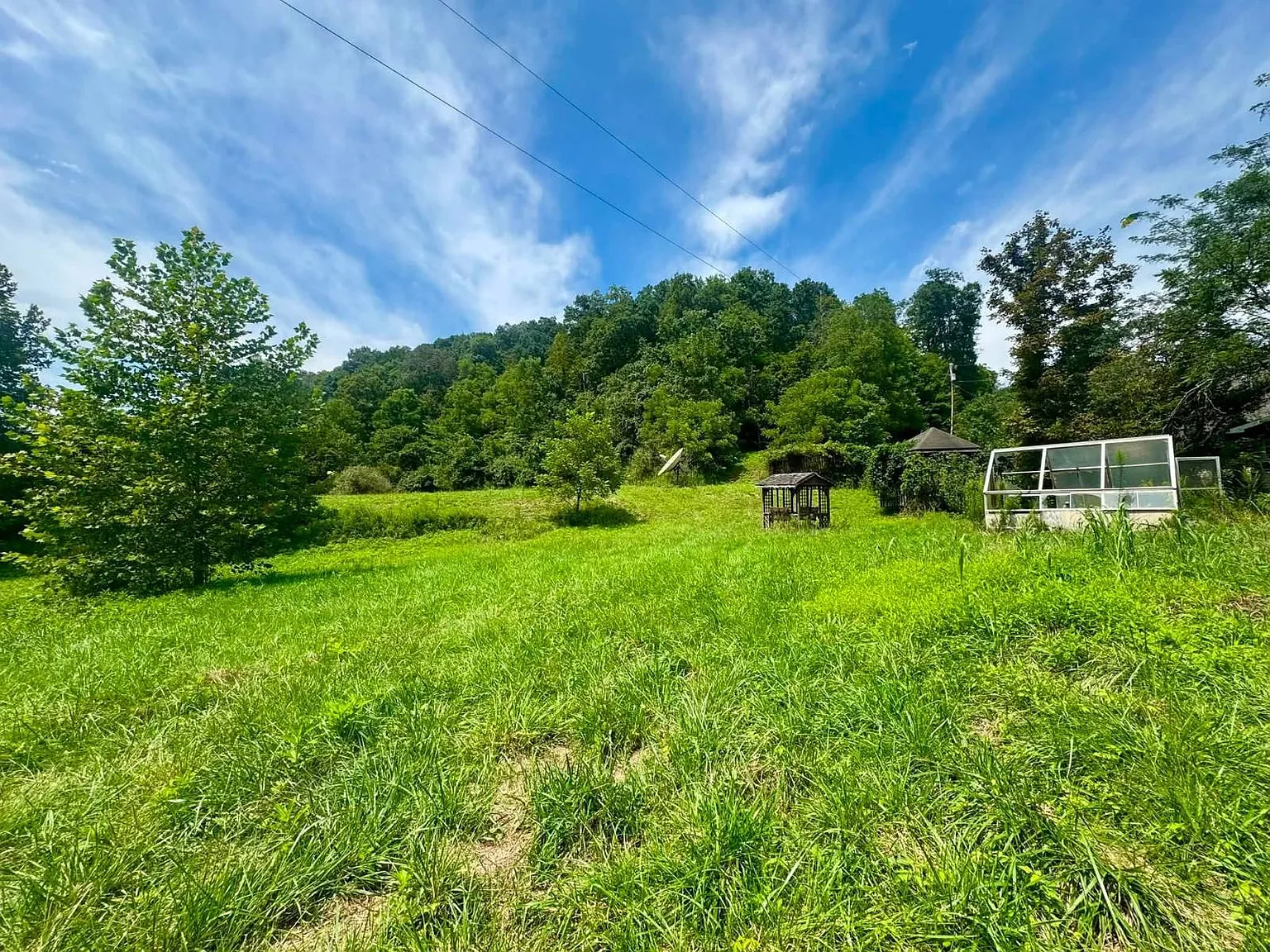
The listing notes that there are multiple potential building sites located outside the flood zone. That may make the acreage more attractive to someone who wants to build a new home rather than restore the existing structure. Even so, any future homesite should be checked for zoning, setbacks, access, drainage, septic suitability and flood risk.
Location is another factor. The property is described as less than eight miles from I-77, with access from the Medina or Rockport exit. The final stretch is more rural, with the property located on a gravel road about 1.5 miles from paved access.
That kind of setting may be ideal for buyers seeking seclusion, but year-round access matters. Heavy rain, snow, mud, delivery trucks, emergency vehicles and construction equipment should all be considered before committing to a rural purchase.
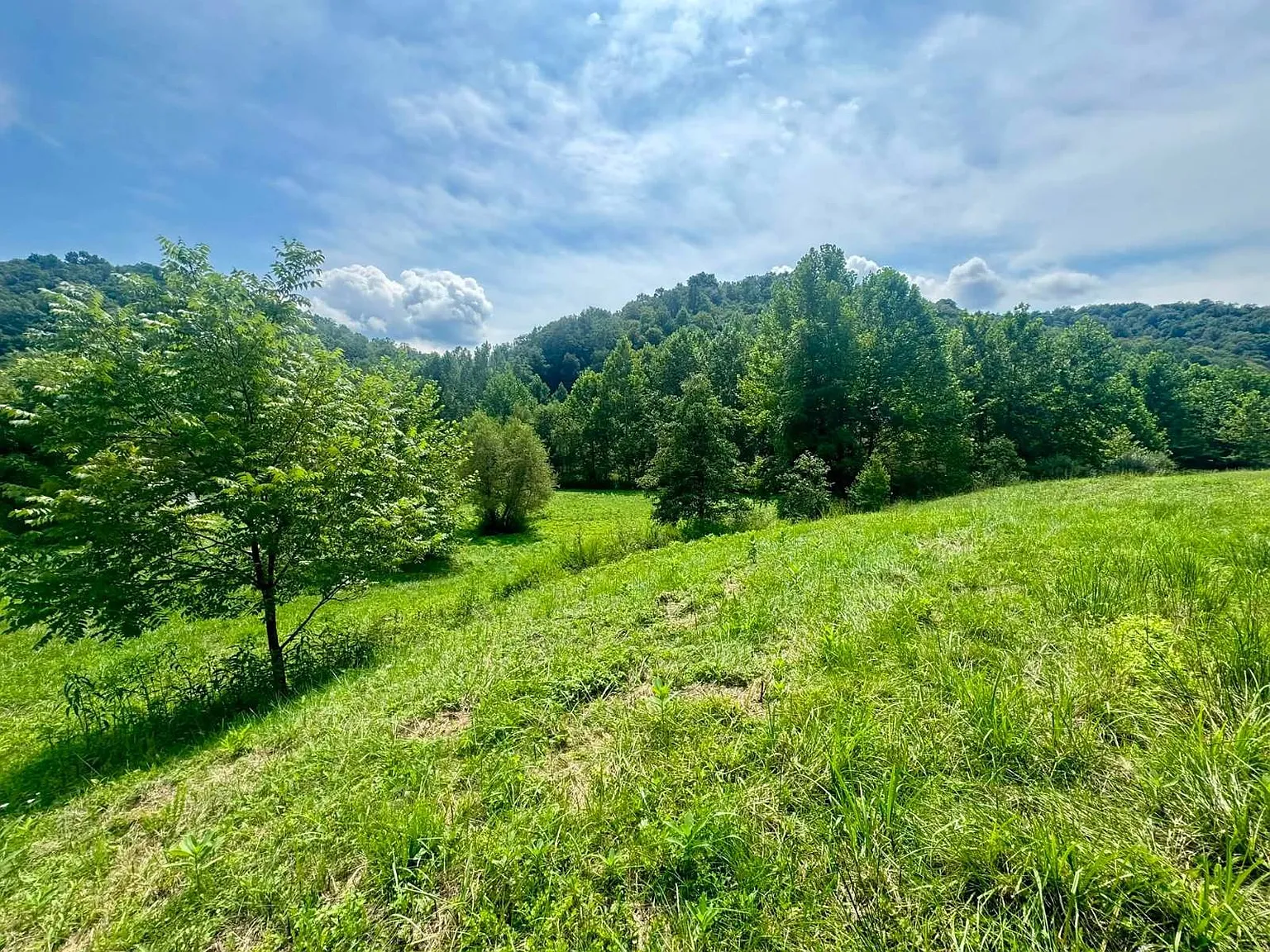
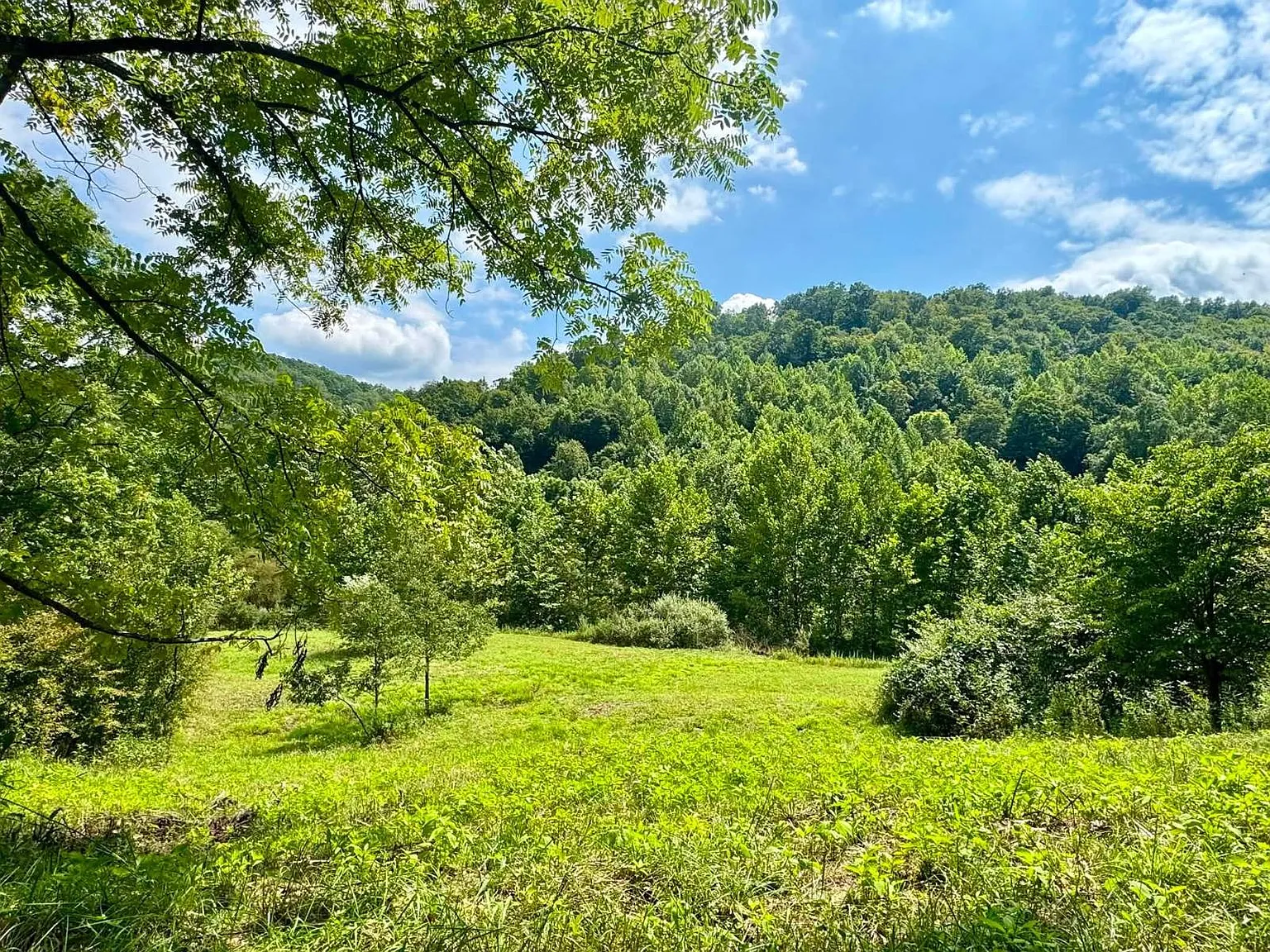
At $149,000, the acreage offers a combination many rural buyers look for: pasture, woods, ponds, a spring, utilities and room to plan a future homesite. But the final value depends heavily on inspections, repair estimates, access, land conditions and how much work a buyer is prepared to take on.
For the right person, this Elizabeth property could be the start of a long-term homestead or recreational retreat. The key question is whether the old house is worth saving, or whether the land is better suited for a fresh build.