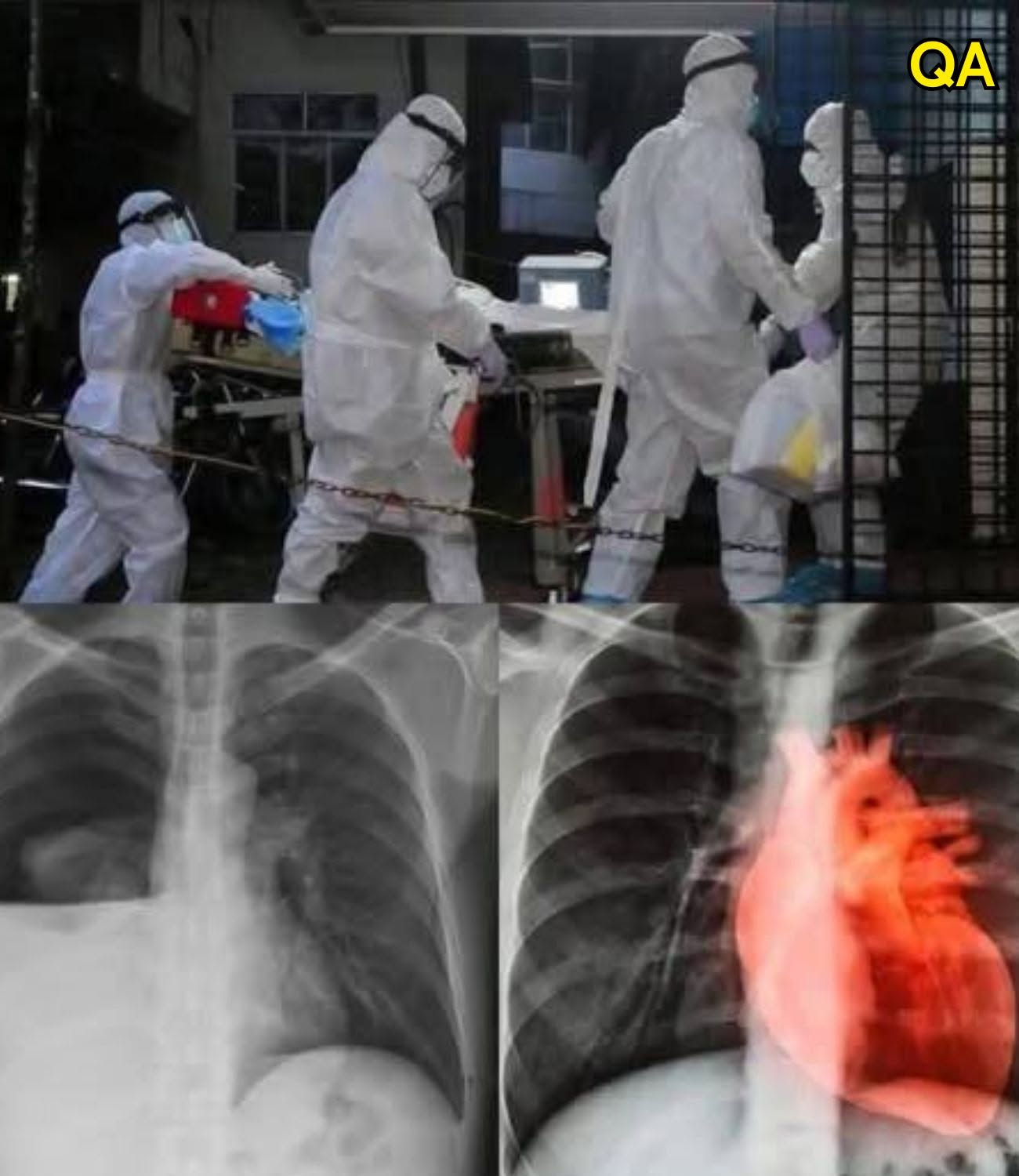
Researchers continue to study the long-term safety and effectiveness of mRNA COVID-19 vaccines, including rare side effects that have been reported since their introduction. One condition that has received significant scientific attention is myocarditis, an inflammation of the heart muscle that has been observed infrequently after vaccination, particularly among some younger males.
A recent study conducted by researchers at Stanford Medicine has contributed new information to this area of research. The study explores a potential biological mechanism that may help explain why a small number of individuals experience inflammatory reactions after vaccination.
While some online discussions have portrayed the findings as evidence of widespread vaccine risk, the research itself presents a much more measured conclusion. Scientists involved in the study emphasize that these cases remain uncommon and that understanding rare adverse events is an important part of improving medical care and vaccine development.
Understanding the Broader Context
Health experts stress that discussions about vaccine side effects should be viewed within the context of overall risk and benefit.
Since the COVID-19 pandemic, billions of mRNA vaccine doses have been administered worldwide. Public health agencies and researchers have consistently reported that serious adverse reactions are rare, while vaccination has helped reduce severe disease, hospitalization, and death associated with COVID-19.
Researchers also note that COVID-19 infection itself has been linked to a higher risk of heart inflammation than vaccination in many studied populations.
What Is Myocarditis?
Myocarditis is a condition involving inflammation of the heart muscle. Symptoms may include:
- Chest discomfort
- Shortness of breath
- Fatigue
- Irregular heartbeat sensations
Many cases are mild and resolve with appropriate medical monitoring and treatment. Severe complications can occur but are considered uncommon.
Because myocarditis can have multiple causes—including viral infections—medical researchers continue to study the condition extensively.
What the Stanford Study Examined
The Stanford research team analyzed blood samples from vaccinated individuals, comparing those who developed myocarditis with those who did not.
During the analysis, researchers identified elevated levels of two immune-signaling proteins in affected individuals:
- CXCL10
- IFN-gamma
These molecules belong to a group known as cytokines, which help coordinate communication between immune cells during immune responses.
The findings suggest that certain immune pathways may become unusually activated in rare cases, contributing to inflammation.
How the Immune Response May Be Involved
According to the study, immune cells known as macrophages may release CXCL10 in response to specific signals. This process can then stimulate T cells to produce IFN-gamma, potentially amplifying inflammatory activity.
Researchers believe this interaction may help explain why a small subset of individuals experiences inflammation following vaccination.
Importantly, the study does not suggest that this response occurs broadly among vaccinated people. Instead, it focuses on understanding a rare biological reaction observed in a limited group of cases.
Laboratory Models and Further Investigation
To explore these findings further, scientists used laboratory-grown heart tissue models and animal studies.
These experimental models allowed researchers to observe how inflammatory signaling affects heart cells under controlled conditions.
The team found that increased cytokine activity was associated with signs of cellular stress in heart-like tissue. When specific inflammatory pathways were blocked, indicators of stress appeared to decrease.
Researchers emphasize that such studies are designed to identify potential mechanisms and generate future research directions rather than establish immediate treatment recommendations.
Interest in Genistein
One aspect of the study that received significant attention involved genistein, a naturally occurring compound found in soy.
In laboratory experiments, highly purified and concentrated forms of genistein appeared to reduce some inflammatory effects observed in the research models.
However, investigators cautioned against drawing broad conclusions from these findings.
The version used in scientific experiments differs substantially from the amounts typically obtained through food or over-the-counter supplements. As a result, the study does not demonstrate that consuming soy products prevents myocarditis or serves as a substitute for medical care.
Additional clinical research would be required before any therapeutic recommendations could be considered.
Why Younger Males Continue to Be Studied
Scientists are also investigating why reported myocarditis cases following vaccination have been observed more frequently among younger males.
Several theories involve differences in hormones, immune-system regulation, genetics, and age-related immune responses. However, researchers have not identified a single confirmed explanation.
Understanding these differences remains an active area of medical research.
The Importance of Scientific Accuracy
Studies involving vaccine safety often attract significant public attention, particularly when findings are shared on social media.
Some online claims have portrayed research into myocarditis as evidence that vaccines are generally unsafe. However, the Stanford study does not reach that conclusion.
Instead, the research highlights the scientific process of investigating uncommon side effects so that healthcare professionals can better understand risk factors and improve future medical interventions.
Experts note that identifying and studying rare adverse events is a normal part of ongoing vaccine safety monitoring.
Looking Beyond COVID-19
The insights gained from this research may extend beyond COVID-19 vaccines.
mRNA technology continues to be explored for applications in infectious diseases, cancer treatment, and other medical conditions. Understanding immune responses in greater detail could help scientists design safer and more targeted therapies in the future.
Continuous monitoring and research are considered essential components of modern medicine and public health.
What Health Professionals Recommend
Medical organizations encourage individuals to rely on information from qualified healthcare providers, peer-reviewed research, and established scientific institutions when evaluating vaccine-related information.
Because health risks and benefits vary among individuals, personalized medical guidance remains important.
Anyone experiencing concerning symptoms following vaccination or illness should seek evaluation from a healthcare professional.
Conclusion
The Stanford Medicine study offers new insight into possible immune mechanisms involved in rare cases of myocarditis following mRNA COVID-19 vaccination. By identifying specific inflammatory pathways, researchers hope to improve understanding of why these uncommon reactions occur and how they might eventually be prevented or reduced.
At the same time, the study does not indicate that vaccines are broadly unsafe. Rather, it reflects the ongoing efforts of scientists to better understand the immune system, enhance vaccine safety, and refine medical treatments through evidence-based research.
As medical knowledge continues to evolve, studies like this demonstrate how scientific progress depends on careful investigation, transparency, and continuous improvement rather than speculation or fear.