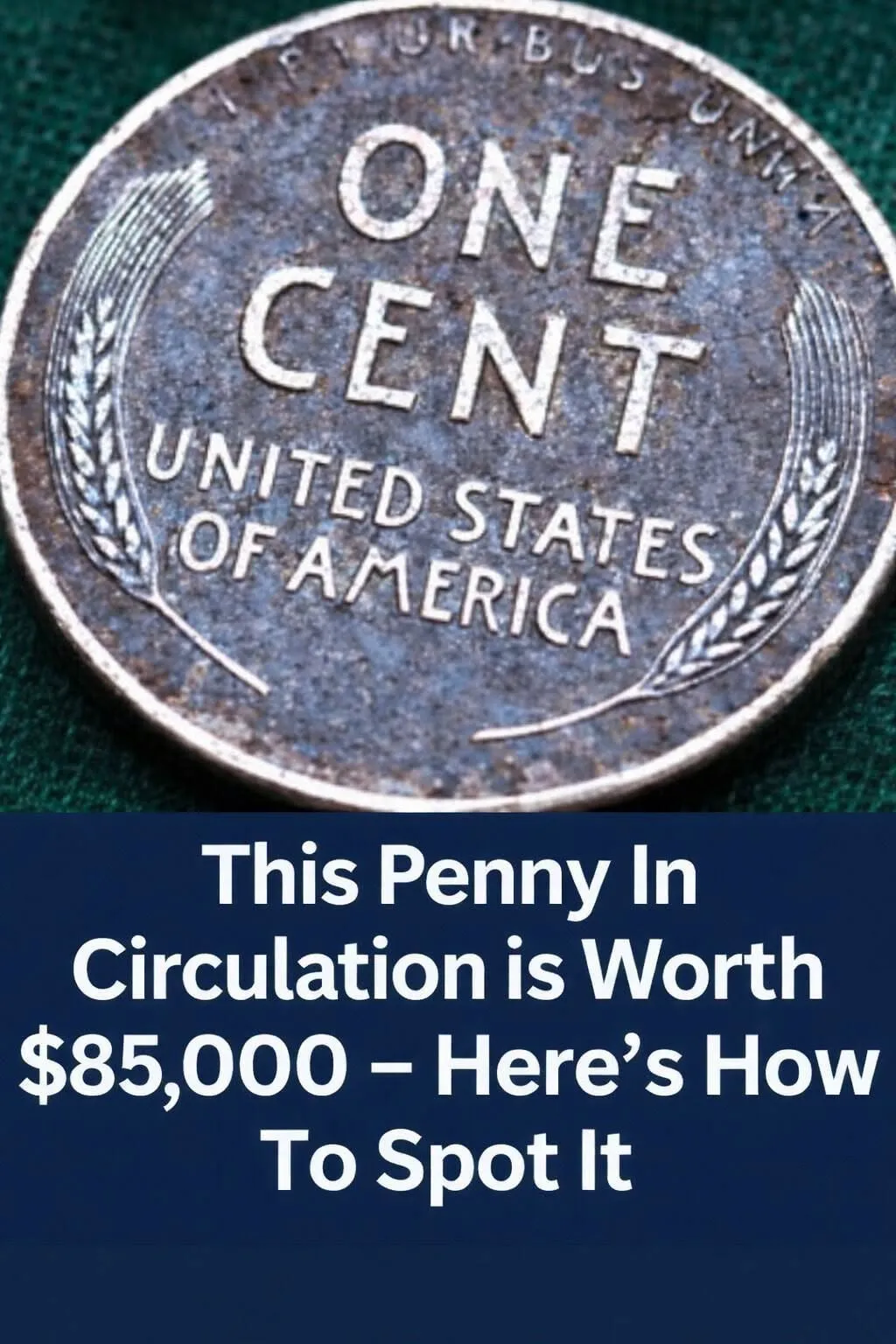
For collectors, that difference in appearance is one of the first clues. A 1943 penny that looks copper-colored immediately raises questions, though it also requires careful authentication because altered or plated coins can exist.
The Minting Error Collectors Still Watch For
The rare 1943 bronze Lincoln cent is believed to have happened because a small number of leftover bronze planchets from 1942 remained in the minting process. Planchets are the blank metal discs used to strike coins.
When those older bronze blanks were accidentally used in 1943, a tiny number of pennies were struck with the wrong metal. That mistake created one of the most famous modern U.S. coin rarities.
Because examples are so scarce, the 1943 bronze cent has become a major point of interest in numismatics, the field of coin collecting and study. Some have sold for very large sums, which is why people still check old penny collections, inherited coin jars, and forgotten piggy banks.
What Readers Should Know
Finding an old penny does not automatically mean it is valuable. Condition, authenticity, minting details, and metal composition all matter. Serious collectors typically rely on professional evaluation before treating a coin as rare or attempting to sell it.
Still, the 1943 bronze Lincoln cent is a reminder that small household items can sometimes carry unexpected historical and financial value. If you come across old coins, it may be worth taking a closer look before spending them or tossing them aside.
The next penny you notice may still be worth one cent, but its date, color, and story could make it worth a second glance.