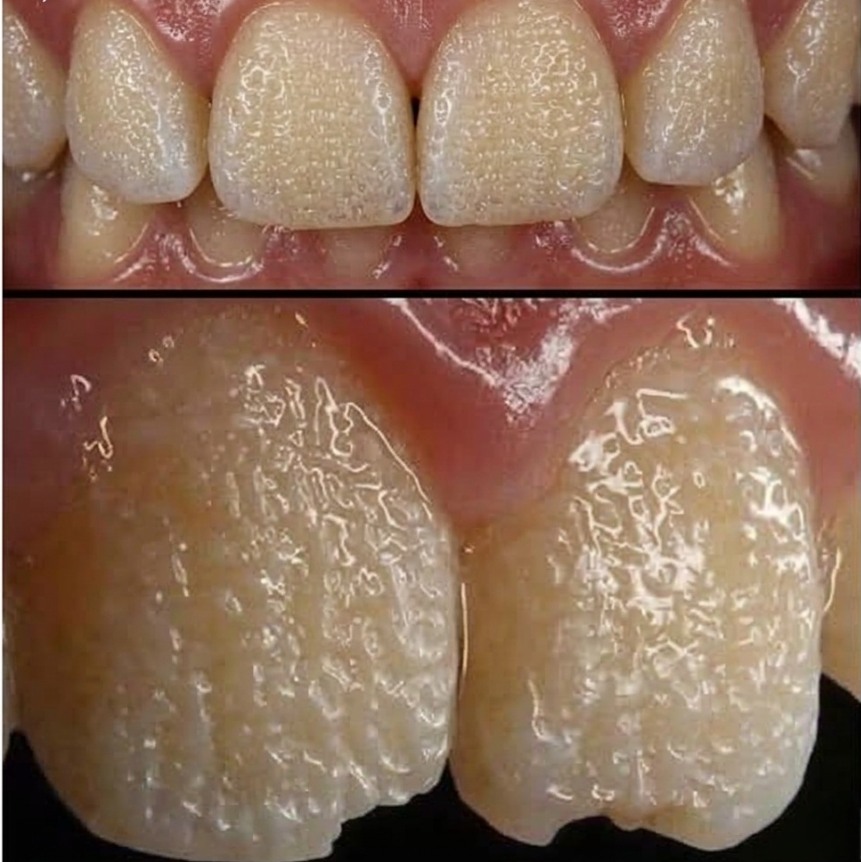
A healthy smile is often linked to confidence, wellness, and overall appearance. Most people grow up believing that brushing, flossing, and limiting sugar are enough to keep teeth strong for life. But for some individuals, dental problems begin long before poor habits ever play a role.
Many people experience severe tooth sensitivity, unusual discoloration, or rapid enamel wear despite maintaining excellent oral hygiene. While coffee, soda, or whitening products are often blamed, the real cause can sometimes be a rare genetic enamel disorder called Amelogenesis Imperfecta.
This little-known condition can weaken teeth from the inside out, leading to lifelong dental complications if left untreated.
Why Tooth Enamel Matters More Than Most People Realize
To understand this condition, it helps to understand the role enamel plays in oral health.
Enamel is the hard outer layer that protects teeth from damage, decay, temperature changes, and daily wear. In fact, enamel is considered the hardest substance in the human body. It acts like a protective barrier against chewing pressure, acidic foods, and bacteria.
During childhood development, specialized cells form enamel through a highly controlled biological process. When genetic mutations interfere with this process, enamel may develop incorrectly or fail to harden properly.
That is what happens with Amelogenesis Imperfecta.
Instead of forming a strong protective surface, the enamel may become too thin, too soft, or poorly mineralized. As a result, teeth become vulnerable to sensitivity, cracking, discoloration, and premature damage.
Common Symptoms People Often Ignore
Because enamel protects the inner layers of the tooth, weakened enamel can expose sensitive dentin underneath. This often leads to intense discomfort when eating or drinking hot, cold, or sweet foods.
People with this condition may notice symptoms such as:
- Extreme tooth sensitivity
- Yellow, brown, or uneven tooth color
- Teeth that chip easily
- Rough, pitted, or grooved enamel
- Rapid wear and erosion
- Small or unusually shaped teeth
For many patients, simple activities like drinking cold water or enjoying hot coffee become painful experiences.
Unfortunately, these symptoms are sometimes mistaken for poor hygiene or cosmetic issues instead of a legitimate medical condition.
The Emotional Impact of Dental Disorders
Dental health affects far more than physical comfort. A visible smile plays a major role in confidence, communication, and social interaction.
Children, teenagers, and adults with enamel disorders often feel embarrassed about the appearance of their teeth. Many avoid smiling, speaking publicly, or taking photos because they fear judgment from others.
In some cases, people spend years trying whitening treatments or abrasive toothpastes hoping to improve discoloration. However, these products can actually worsen enamel damage and increase sensitivity when underlying enamel defects already exist.
Understanding the root cause is essential because the issue is not laziness or neglect — it is often genetic.
Different Types of Amelogenesis Imperfecta
Dental specialists classify the condition into several forms depending on how enamel develops.
Thin Enamel (Hypoplastic Type)
In this form, enamel is hard but unusually thin. Teeth may appear small or uneven because they lack proper coverage.
Soft Enamel (Hypomaturation Type)
Here, enamel reaches normal thickness but does not harden correctly. Teeth become fragile and prone to breaking.
Weakly Mineralized Enamel (Hypocalcified Type)
This is often considered the most severe variation. The enamel contains very low mineral content and can wear away rapidly soon after teeth emerge.
Because the condition is inherited, it often appears across multiple generations within families.
Why Early Diagnosis Matters
Modern dentistry has made significant advances in detecting enamel disorders early.
Dentists can now use digital imaging, X-rays, and genetic evaluation to identify enamel abnormalities before severe complications occur. Early diagnosis allows patients to begin protective treatment before chronic pain or extensive tooth damage develops.
The goal is not simply cosmetic improvement. The priority is preserving tooth structure and preventing long-term dental deterioration.
Modern Treatment Options Can Restore Comfort and Confidence
Fortunately, advanced cosmetic and restorative dentistry offers highly effective treatment options for patients with weakened enamel.
Depending on severity, treatment may include:
- Dental crowns
- Porcelain veneers
- Composite bonding
- Fluoride therapy
- Desensitizing toothpaste
- Preventive enamel protection plans
These solutions help create a durable protective layer over vulnerable teeth, reducing sensitivity and improving appearance at the same time.
For many patients, restorative procedures dramatically improve quality of life by eliminating chronic discomfort and restoring confidence.
The Future of Personalized Dental Care
Researchers and dental professionals are increasingly recognizing the connection between genetics and oral health. This shift is helping move dentistry toward more personalized treatment strategies rather than one-size-fits-all solutions.
Patients with inherited enamel conditions often need specialized long-term care focused on preservation, prevention, and functional restoration.
With proper support and modern dental technology, people living with enamel disorders can maintain healthy, attractive smiles for decades.
Don’t Ignore Persistent Tooth Sensitivity
Persistent sensitivity, enamel damage, or unexplained discoloration should never be dismissed as purely cosmetic concerns.
In some cases, these symptoms may point to an underlying condition like Amelogenesis Imperfecta — a disorder many people have never heard of despite its life-changing impact.
The good news is that modern dentistry now offers effective ways to manage and protect vulnerable teeth. Early diagnosis, preventive care, and restorative treatment can make a major difference in both oral health and self-confidence.
No one should have to live with constant dental pain or embarrassment. With the right care plan and professional guidance, a stronger and healthier smile is possible — regardless of genetics.