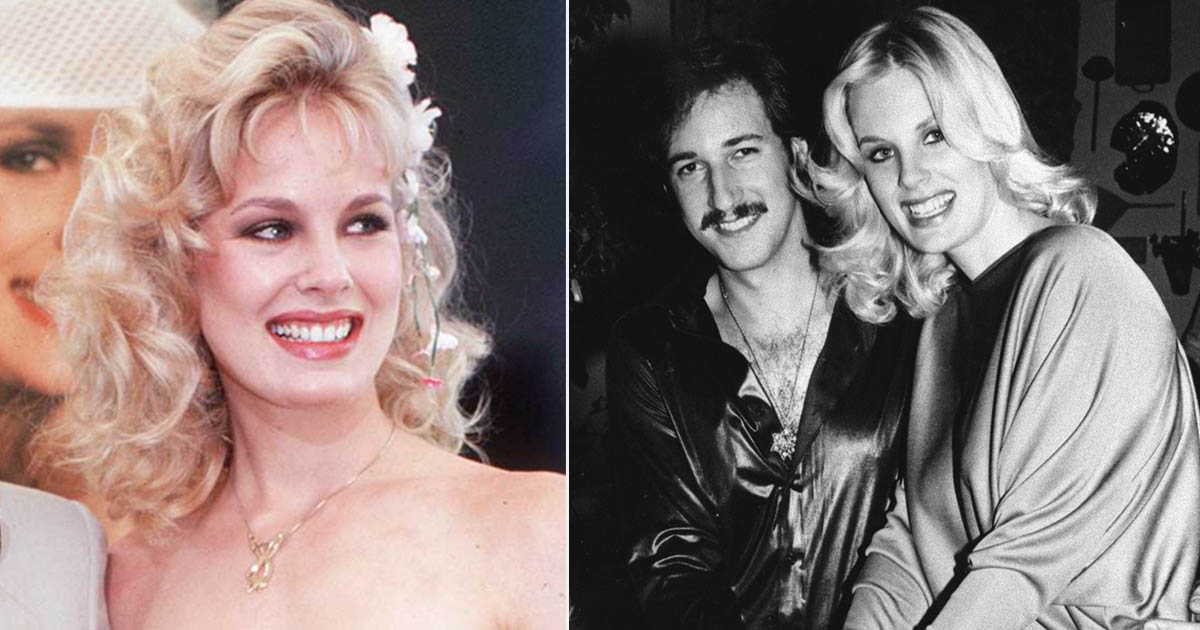
From Vancouver to Hollywood Attention
Stratten’s rise happened quickly. She became Playmate of the Month in 1979 and was named Playmate of the Year in 1980. The attention opened doors far beyond the magazine world.
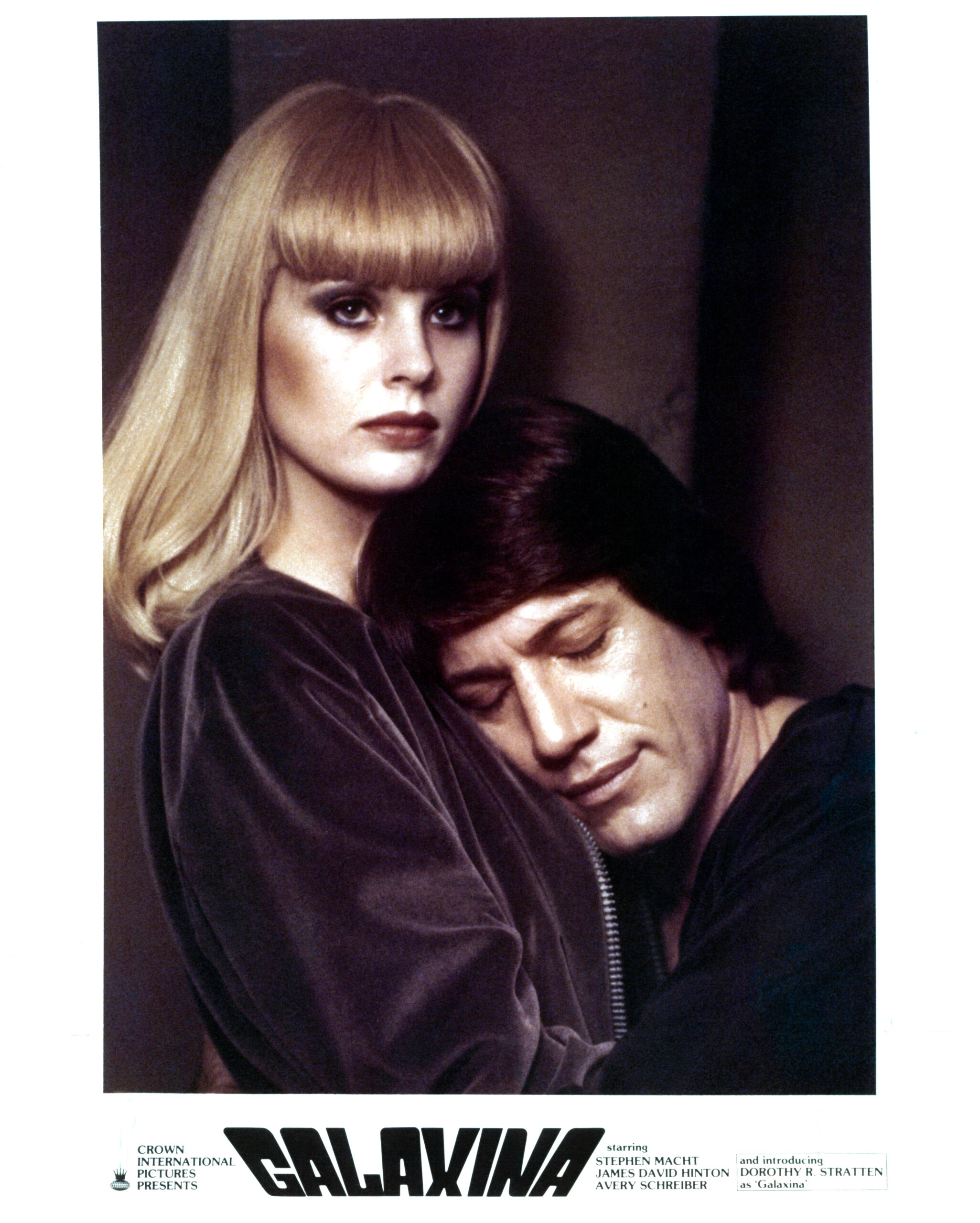
Hollywood began to notice her, and she moved into acting. She landed a leading role in the science-fiction comedy Galaxina and later appeared in Peter Bogdanovich’s film They All Laughed.
She also worked alongside Audrey Hepburn, a sign of how quickly her career was gaining credibility. People around her believed she had real potential. One Hollywood agent later said she could have been “the biggest thing they ever had.”
For a young woman who had started out behind a Dairy Queen counter in Vancouver, the change was dramatic. But as her professional world expanded, her personal life became increasingly difficult.

A Marriage Losing Its Grip
Stratten and Snider eventually married, but people around her were uneasy about him. Playboy founder Hugh Hefner reportedly warned her that Snider had a “pimp-like quality.”
Snider had acted as her manager early on. As Stratten’s career grew, however, more experienced people became involved in guiding her work. That shift meant Snider was losing the influence he once had over her choices.
Their relationship deteriorated as Stratten became more independent. She also became romantically involved with filmmaker Peter Bogdanovich, while her marriage to Snider was falling apart.
According to Global News, Snider became increasingly jealous and hired a private investigator to follow her. Stratten eventually separated from him and was preparing to end the marriage.
Both Bogdanovich and Hefner reportedly worried about her safety and urged her not to see her estranged husband, ABC reported. Still, Stratten agreed to meet Snider at his Los Angeles home on August 14, 1980, to discuss their divorce.
She was 20 years old.
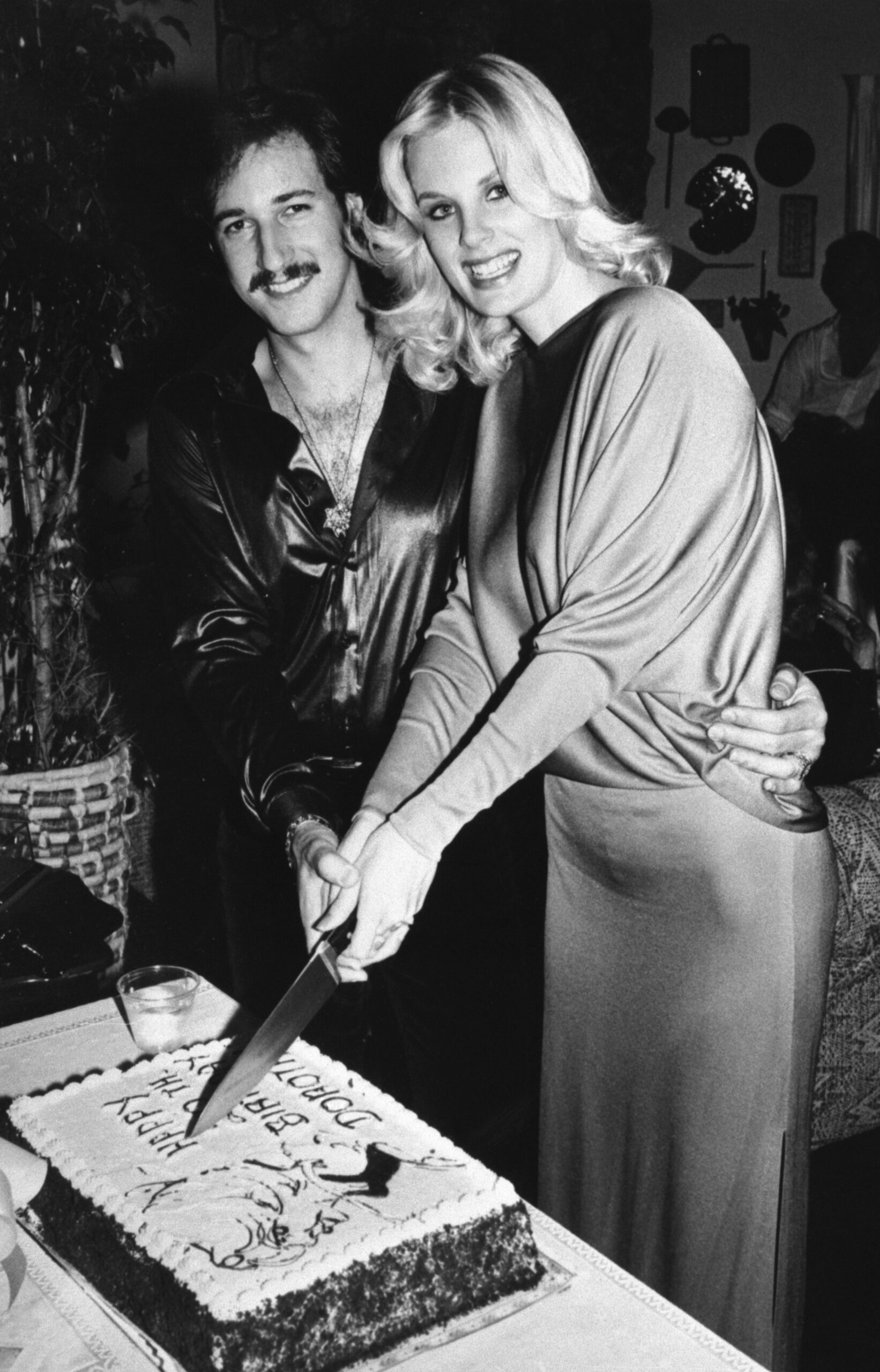
Reports later stated that Snider had bought a 12-gauge shotgun from a private seller the day before the meeting. That night, Stratten was killed, and Snider then took his own life.
Two of Snider’s roommates later discovered the scene. Patti Laurman, who had also been discovered by Snider and was living at the home, was among the first to see what happened.
“It looked like it was a horror movie — a staged horror movie,” Laurman told ABC News. “That’s a picture that never goes away. A mental picture that’s stuck in here forever.”
The Bigger Picture
Stratten’s death has remained part of Hollywood history not only because of her brief fame, but because of the questions her story raised about control, vulnerability, and the pressure surrounding young performers entering the entertainment industry.
In the years since, her life has been revisited in books, films, and documentaries. Many accounts have focused on the tragedy, but those who remember her have also emphasized that she was more than a symbol of lost beauty or unrealized fame.
She was a young woman at the beginning of a career, learning how to step into a larger world while trying to separate herself from a relationship that had become dangerous.
Dorothy Stratten’s Hollywood story lasted only a short time, but it continues to be remembered because of what might have been. Her life and career remain a reminder of how quickly promise can be overshadowed by control and violence.
For readers looking back on old Hollywood stories, hers is one that still asks for more than curiosity — it asks for care in how we remember the person behind the headlines.