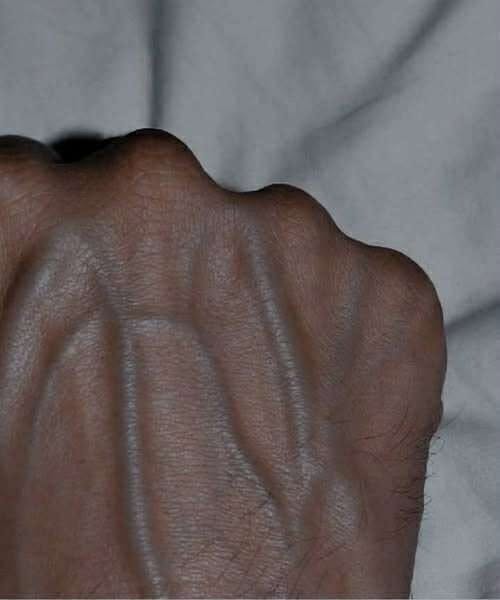
Noticing blue or green veins becoming more visible beneath your skin can be surprising, especially if they seem to appear overnight. For many people, these changes are harmless and simply reflect natural differences in body composition, age, or activity levels. However, in some situations, visible veins accompanied by other symptoms may warrant medical attention.
Understanding the difference can help you respond appropriately without unnecessary worry.
Why Veins Become More Noticeable
In most cases, prominent veins are a normal part of human anatomy.
As people age, the skin naturally becomes thinner and loses some of its elasticity, making underlying blood vessels easier to see. Individuals with lighter skin tones or lower body fat percentages may also notice their veins more readily because there is less tissue covering them.
Physical activity is another common factor. During exercise, muscles require increased blood flow, causing veins to expand temporarily and become more visible. Warm temperatures can produce a similar effect as blood vessels widen to help regulate body temperature.
These changes are generally considered normal and are not, by themselves, a sign of illness.
When Visible Veins May Indicate a Problem
While appearance alone is rarely cause for concern, new or worsening vein changes combined with other symptoms deserve attention.
Keep reading…