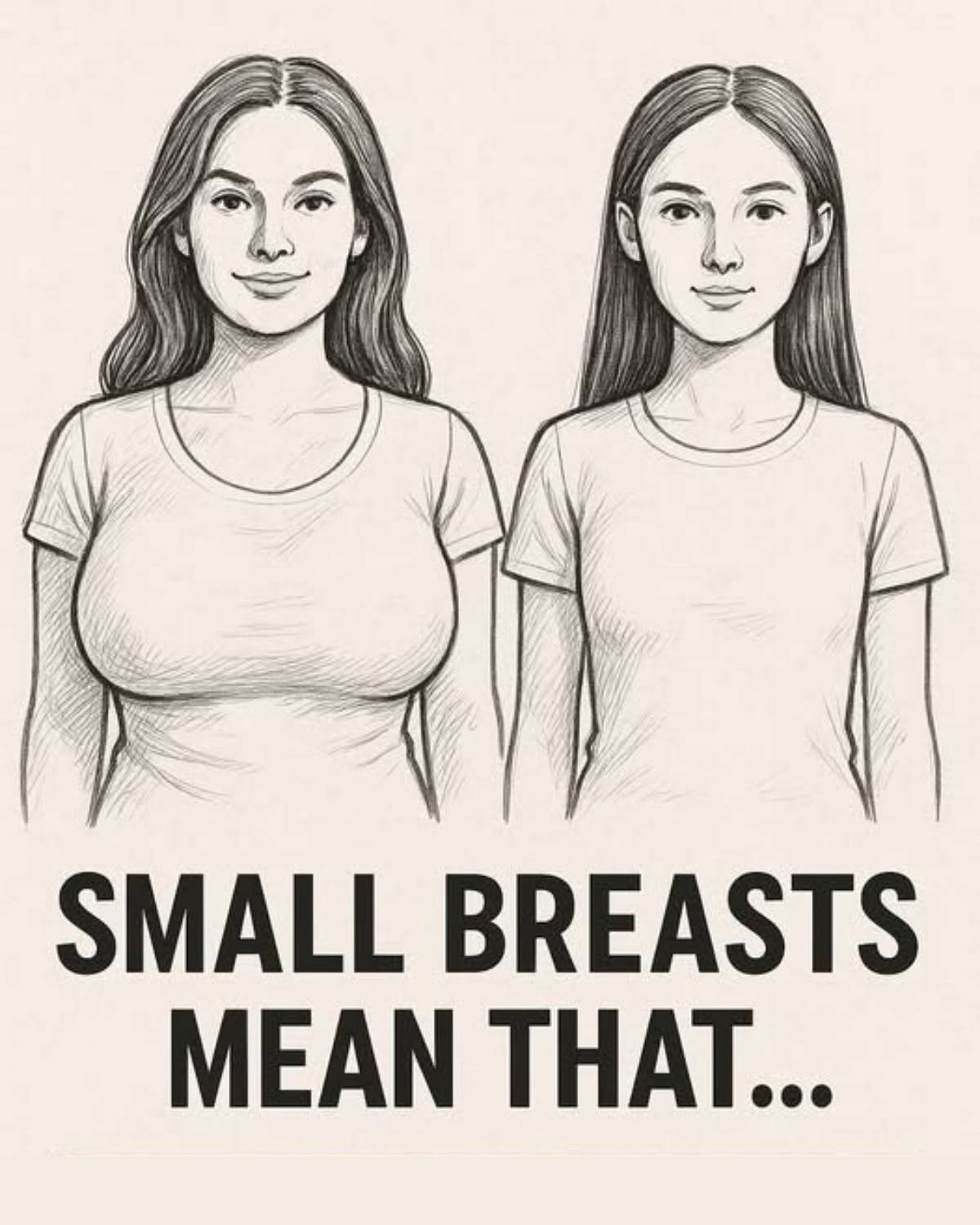
Why Breast Size Varies From Person to Person
Breast development is influenced by hormones during puberty, especially estrogen and progesterone. These hormones play important roles in normal growth and development.
However, once development is complete, breast size is not a simple reflection of current hormone activity. Two women can have very different breast sizes while having similar hormone levels and overall health.
Several factors contribute to natural differences, including:
- Genetics and family traits
- Body composition
- Age
- Weight changes
- Pregnancy and breastfeeding history
- Normal hormonal changes throughout life
Genetics often plays one of the largest roles in determining body characteristics. Just as people inherit differences in height, hair color, or body structure, they can also inherit differences in breast size.
Hormones Are More Complex Than Appearance
Hormonal health involves many systems throughout the body. A person’s hormone levels cannot be accurately judged simply by looking at physical features.
Hormones influence many functions, including:
- Menstrual cycles
- Energy levels
- Mood regulation
- Metabolism
- Reproductive health
- Bone health
Because of this complexity, healthcare professionals rely on medical history, symptoms, physical evaluations, and laboratory testing when assessing possible hormone-related concerns.
Normal Changes Throughout Life
The body naturally changes over time. Many women notice temporary differences in breast fullness or sensitivity during certain stages of life.
Common influences include:
Menstrual Cycle Changes
Hormone fluctuations during the menstrual cycle can cause temporary swelling, tenderness, or changes in how breasts feel.
Pregnancy and Breastfeeding
Pregnancy-related hormonal changes can significantly affect breast tissue. After breastfeeding ends, the breasts may gradually change again.
Aging
As the body ages, changes in skin elasticity and tissue composition can affect breast appearance.
These changes are normal parts of life and do not automatically indicate a health problem.
Signs That May Need Medical Attention
While breast size is not a reliable measure of hormone health, certain changes should be discussed with a healthcare professional.
Examples include:
- A new or unusual lump
- Persistent unexplained pain
- Changes in breast shape or skin appearance
- Unusual nipple discharge
- Sudden changes that do not resolve
Other symptoms that may suggest a hormonal concern can include significant menstrual changes, unexplained body changes, or other ongoing health issues.
Focus on Health, Not Myths
Medical experts encourage people to move away from judging health based on appearance alone. Bodies come in many natural shapes and sizes, and physical differences do not automatically indicate a problem.
A healthier approach is to pay attention to overall well-being, understand what is normal for your own body, and seek medical advice when something changes or causes concern.
The Bottom Line
Breast size cannot determine hormone levels, fertility, or overall health. It is influenced by many factors, especially genetics and body composition.
Understanding the science behind the body can help replace outdated myths with accurate information. The best way to monitor health is through awareness, regular checkups, and conversations with qualified healthcare professionals—not assumptions based on appearance.