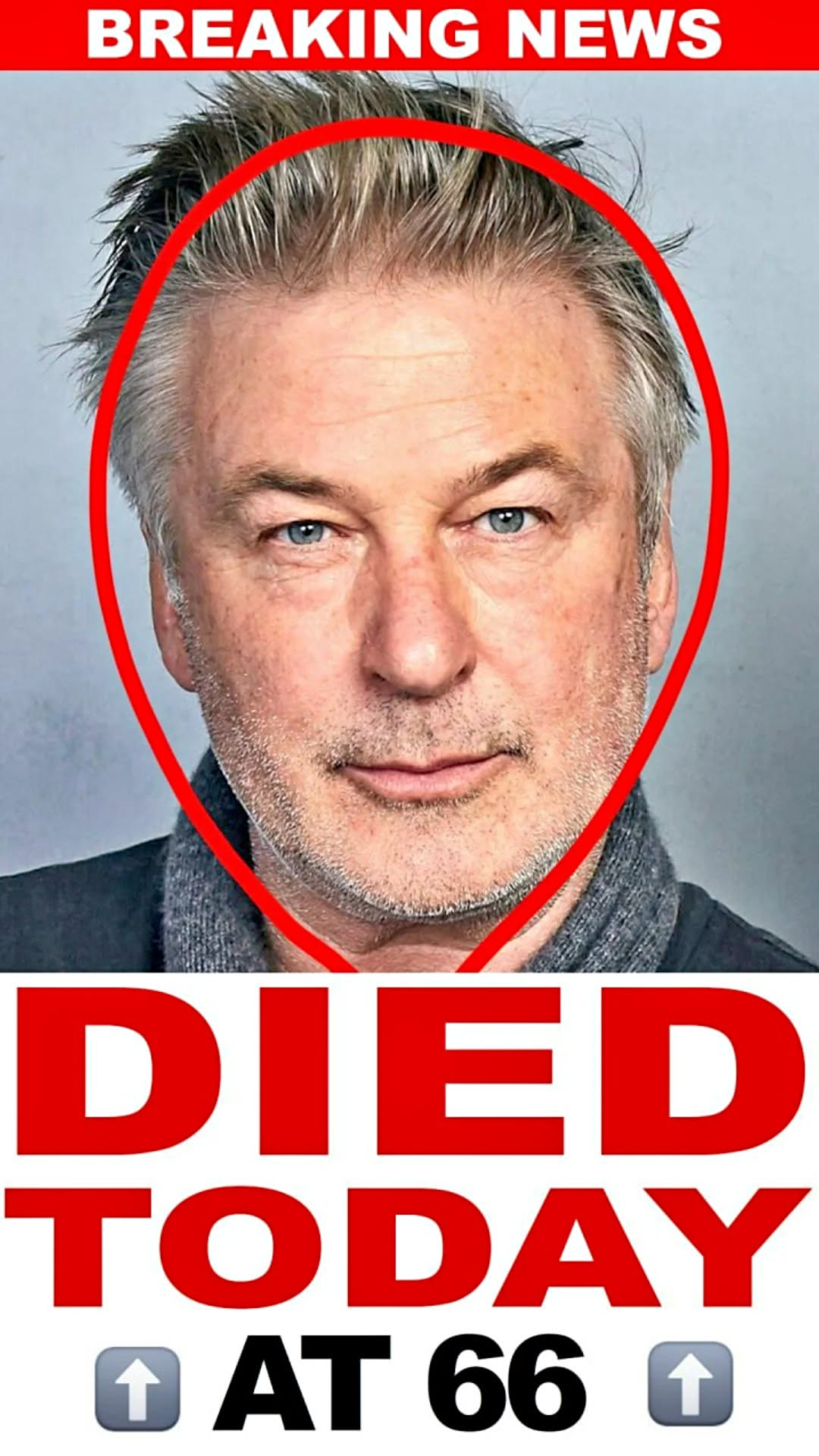
The incident involved actor and producer Alec Baldwin and resulted in the death of acclaimed cinematographer Halyna Hutchins, while director Joel Souza was injured. What followed was not just public shock, but a deep examination of how safety can break down on productions—especially when budgets are tight and schedules are intense.
The Day of the Incident at Bonanza Creek Ranch
Reports and testimony describe a rehearsal inside a small set structure at Bonanza Creek Ranch. Baldwin was practicing a cross-draw with a revolver that he was told was a “cold gun”—industry language indicating the firearm is not supposed to contain live ammunition.
During the rehearsal, the weapon discharged. The round struck Hutchins and then injured Souza. Emergency calls followed immediately, and Hutchins was transported for urgent medical care, but she later died from her injuries. The loss was devastating for her family, her colleagues, and a film community that has long wrestled with the risks of practical weapons.
Investigations, Safety Questions, and Legal Pressure
In the aftermath, investigators focused on whether standard firearm safety procedures were followed. Attention centered on the responsibilities typically assigned to key crew members, including the production’s armorer and the assistant director, as well as broader management decisions that shape safety culture on set.
Authorities and prosecutors raised concerns about alleged lapses in protocol, including prior safety complaints and reports that some crew members had voiced concerns about working conditions before the fatal shooting. Baldwin faced involuntary manslaughter charges, a development that underscored how serious on-set safety failures can become when tragedy occurs.
While Baldwin’s defense has argued he relied on trained professionals responsible for firearm handling, prosecutors have emphasized the importance of accountability when a real, functioning weapon is involved—especially on a working set where cast and crew expect a controlled environment.
Why the Rust Tragedy Sparked a Major Industry Shift
For decades, film and television have used real firearms loaded with blanks to achieve realism. But the death of Halyna Hutchins intensified debate around a difficult question: Is any level of “realism” worth the risk?
Many industry voices now advocate for replacing functional firearms with safer alternatives such as:
Non-functional replicas designed purely for appearance
Airsoft-style props with strict controls
Digital muzzle flashes and VFX added in post-production
With modern CGI and post-production tools, productions can often achieve the same visual impact without introducing a live-fire capable weapon into the workplace. The broader push is about protecting crews, reducing liability, and ensuring that safety rules are enforced consistently—regardless of budget or timeline.
Halyna Hutchins’ Legacy and the Push for Stronger On-Set Safety
Halyna Hutchins was widely respected as a talented cinematographer with a growing career. Her death became a painful symbol of what can happen when safety systems fail. In response, the industry has faced renewed pressure to strengthen oversight, expand mandatory training, and treat safety concerns as non-negotiable.
No film scene is worth a life. The lasting impact of the Rust shooting may ultimately be a stricter, more accountable production environment—one where every department has clear protocols and the authority to stop work when something feels unsafe.
Closing Thoughts
If you care about film, workplace safety, or how high-profile legal cases shape industry standards, share your thoughts below: Should functional firearms be banned on sets entirely? Subscribe or bookmark this page for updates and more coverage on production safety and entertainment industry news.