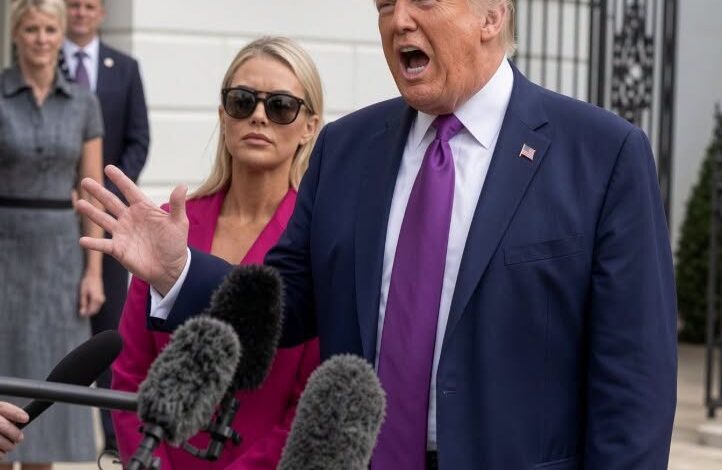
The charges were brought by Special Counsel Jack Smith. Prosecutors alleged that Trump’s actions following his 2020 election defeat were part of an effort to obstruct the lawful certification of the results.
Trump denied wrongdoing and pleaded not guilty.
The case attracted widespread attention because it raised important questions about presidential authority, the limits of executive power, and whether former presidents can be held criminally accountable for conduct while in office.
However, the legal process did not reach a trial. The case was dismissed in November 2024, leaving the allegations without a jury verdict.
What Were the Federal Charges Against Trump?
The indictment contained four counts relating to the 2020 presidential election and the congressional certification process.
Prosecutors alleged that Trump participated in efforts to challenge the election outcome through false claims of widespread fraud, pressure on public officials, and attempts to interfere with the certification of electoral votes.
The four charges were:
- Conspiracy to defraud the United States: Prosecutors alleged an agreement to interfere with the federal government’s process for collecting, counting, and certifying election results.
- Conspiracy to obstruct an official proceeding: This charge concerned an alleged agreement to interfere with the congressional certification of the electoral vote.
- Obstruction of and attempt to obstruct an official proceeding: Prosecutors alleged efforts to disrupt the formal certification process.
- Conspiracy against rights: This charge concerned an alleged effort to interfere with the constitutional right to vote and have votes counted.
These were allegations contained in a federal indictment. They were not findings of guilt.
An indictment means a grand jury has found sufficient grounds to bring criminal charges. It does not establish that the defendant committed the alleged offenses.
Why Did the Case Attract So Much Attention?
The prosecution raised questions that went beyond the circumstances of the 2020 election.
One major issue was whether a former president could face criminal prosecution for conduct connected to official presidential responsibilities.
Another involved the relationship between the executive branch, Congress, and the courts.
The Constitution establishes separate responsibilities for these branches of government. Congress counts and certifies electoral votes under the applicable legal framework, while courts resolve disputes involving the interpretation and application of the law.
The prosecution argued that the alleged conduct crossed legal boundaries. Trump’s defense challenged the charges and raised arguments concerning presidential immunity and the legality of the prosecution.
These competing positions became central to the legal proceedings.
What Did Trump Say About the Charges?
Trump denied the allegations and maintained that the prosecution was politically motivated.
His legal team challenged the charges and argued that presidential immunity protected him from prosecution for certain actions taken while he was in office.
The prosecution disputed those arguments.
The disagreement eventually reached the U.S. Supreme Court, which considered the scope of presidential immunity from criminal prosecution.
What Did the Supreme Court Decide?
On July 1, 2024, the Supreme Court issued its decision in Trump v. United States.
The Court held that former presidents have absolute immunity from criminal prosecution for conduct within their exclusive constitutional authority, at least presumptive immunity for other official acts, and no immunity for unofficial acts.
The decision did not determine whether Trump was guilty or innocent of the allegations in the election case.
Instead, it established a legal framework for evaluating claims of presidential immunity and sent the matter back to the lower courts for further proceedings.
The ruling became an important part of the broader debate over the powers and legal responsibilities of American presidents.
Why Was the Federal Case Dismissed?
The case did not proceed to trial.
Following Trump’s victory in the November 2024 presidential election, the Justice Department requested dismissal of the federal prosecution.
On November 25, 2024, the government filed a motion seeking dismissal without prejudice, citing the department’s longstanding position that a sitting president cannot be federally prosecuted while in office.
The court granted the request.
On December 6, 2024, Judge Tanya Chutkan also formally dismissed the original indictment, clarifying that no criminal counts remained against Trump in the case.
The dismissal was procedural. It was not a jury acquittal, and the court did not conduct a trial to determine whether the original allegations had been proven.
This distinction is essential when describing the case’s outcome.
Did Trump Face a Trial?
No.
Although the federal indictment contained four criminal counts, the election-interference case never reached a jury trial.
Trump pleaded not guilty, and the legal proceedings included disputes over presidential immunity and other motions. However, the case was dismissed before a trial could take place.
As a result, there was no jury verdict establishing guilt or innocence on those four federal charges.
Readers should distinguish between being indicted, being tried, and being convicted. These are separate stages in the criminal justice process.
Why the Case Matters for American Democracy
The prosecution brought renewed attention to the legal procedures governing presidential elections and the transfer of power.
The certification of election results is a central part of the American constitutional system. It provides a formal process for confirming the outcome of a presidential election and completing the transition between administrations.
The case also raised questions about how the law applies to presidents and former presidents.
Some Americans viewed the prosecution as an important accountability measure. Others argued that it reflected political divisions and raised concerns about the use of criminal proceedings against political figures.
Those differing interpretations remain part of the public debate. They should be distinguished from the legal record, which establishes the charges, court decisions, and eventual dismissal.
What Readers Should Know About the Case Today
The federal 2020 election-interference prosecution was filed in August 2023 and dismissed in November 2024, with the original indictment formally dismissed in December 2024.
It should therefore be described as a historical legal case rather than a new set of charges.
The dismissal did not produce a trial verdict on the allegations. It also did not mean that the court had found the original accusations to be true or false.
Understanding this timeline helps prevent confusion when older reports, headlines, or social media posts circulate without their original publication dates.
Final Thoughts
The federal case against Donald Trump over the 2020 election was one of the most significant legal proceedings involving a former American president.
Prosecutors brought four charges, alleging efforts to interfere with the election certification process. Trump denied wrongdoing and challenged the prosecution, including through arguments about presidential immunity.
The Supreme Court issued a major ruling on presidential immunity in July 2024, but the criminal case was ultimately dismissed after Trump’s 2024 election victory. No trial or verdict followed.
The case remains relevant to discussions about constitutional government, presidential authority, and the legal responsibilities of public officials.
For readers, the most important distinction is between what prosecutors alleged, what the courts decided, and what the case ultimately did not determine.