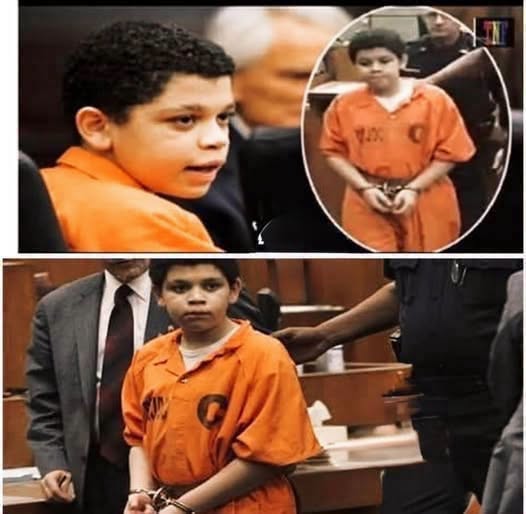
These cases can involve serious crimes, including homicide and other violent offenses. In some situations, a young person is accused of directly causing a death. In others, the individual may have participated in an offense in which another person carried out the fatal act.
Why Children Are Treated Differently
Supporters of juvenile sentencing reform argue that children and adults should not always be treated the same way under the law.
One reason is that young people are still developing important cognitive and emotional abilities. Judgment, impulse control, risk assessment, and the ability to consider long-term consequences can continue developing throughout adolescence.
Because of these differences, advocates for reform argue that courts should consider a young defendant’s age and level of development when determining an appropriate sentence.
The Question of Accountability
The debate does not suggest that serious offenses should be ignored. Victims, families, and communities can experience lasting consequences when a serious crime occurs, and accountability remains an important part of the justice system.
The disagreement centers more specifically on whether a young person’s sentence should leave no possibility for reconsideration later in life.
Those who support lengthy sentences for serious juvenile offenses may emphasize the severity of the conduct, the harm caused to victims, and the need for public safety. Reform advocates, meanwhile, argue that young offenders can change significantly as they mature and that sentencing systems should leave room to consider that possibility.
A Difficult Balance for Courts
Juvenile sentencing requires courts and policymakers to balance several competing concerns, including accountability, public safety, the interests of victims, and the potential for rehabilitation.
The discussion is likely to remain complicated because each case involves different circumstances. A young person’s age, role in an offense, personal background, and the specific facts of the case can all affect how the justice system approaches sentencing.
Ultimately, the juvenile sentencing debate raises a broader question about how the law should respond when a serious offense is committed by someone who has not yet reached adulthood. It is an issue that continues to challenge courts, lawmakers, families, and communities.