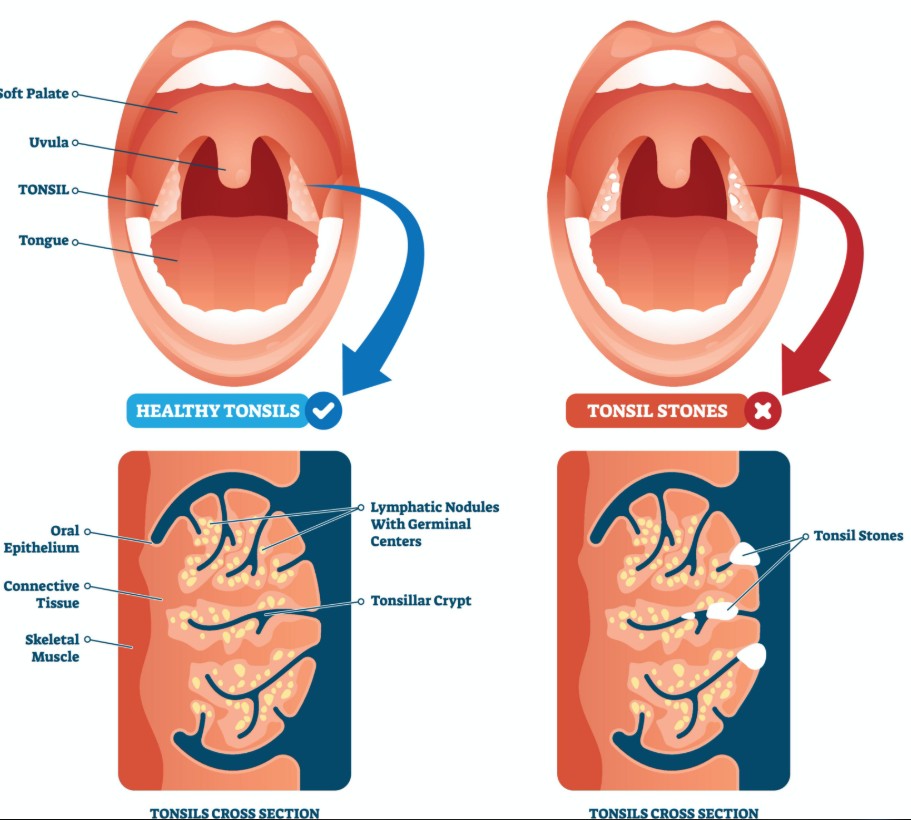
Have you ever coughed up a tiny white or yellowish lump and noticed an unpleasant smell coming from it? Perhaps you discovered something that looked like a small piece of food stuck in the back of your throat. It might have been a tonsil stone.
Although they can look strange and smell surprisingly unpleasant, tonsil stones are relatively common and usually harmless. They can develop without warning, sometimes causing bad breath, throat irritation, or the uncomfortable sensation that something is stuck in your throat.
The good news is that most tonsil stones do not require complicated treatment. Understanding what causes them, recognizing their symptoms, and learning how to manage them safely can help you prevent recurring problems and maintain better oral health.
What Exactly Are Tonsil Stones?
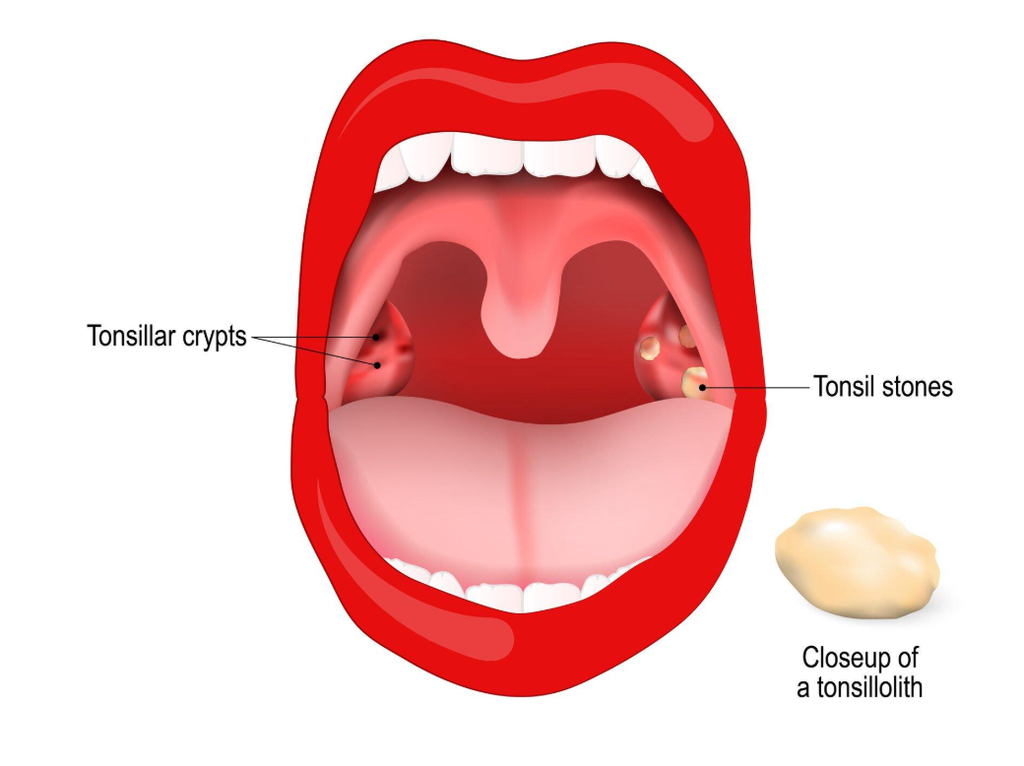
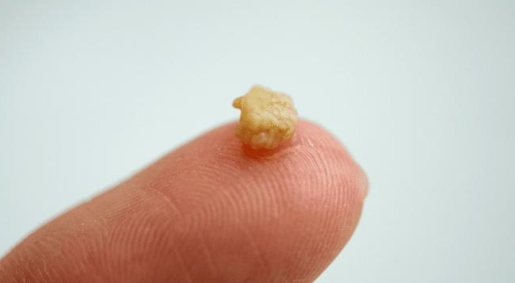
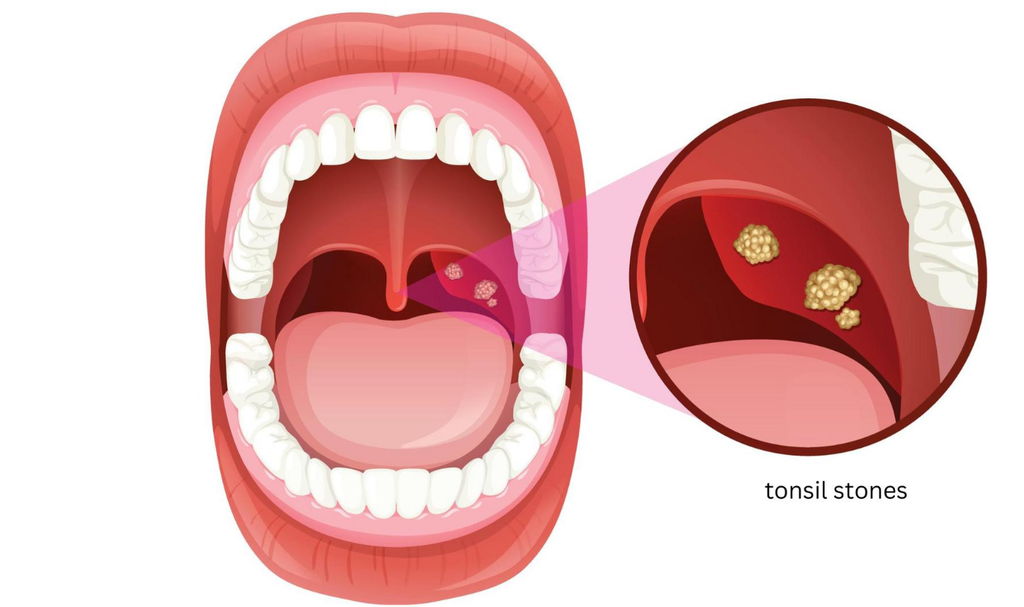
Tonsil stones, medically known as tonsilloliths, are small, hardened deposits that develop inside tiny pockets and crevices in the tonsils.
Your tonsils are located at the back of your throat and contain natural openings called tonsil crypts. These pockets can collect different types of material, including food particles, dead cells, mucus, and bacteria.
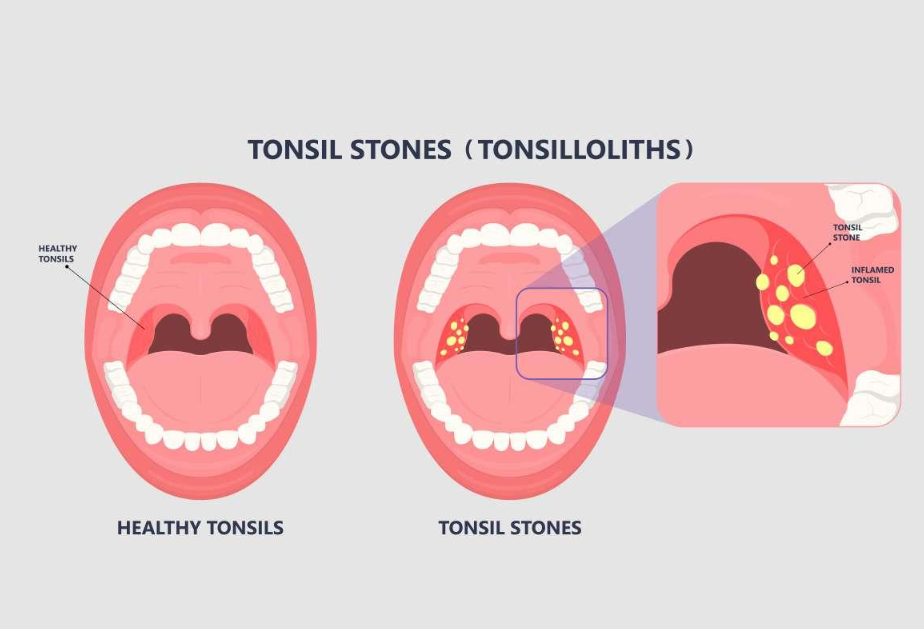
Over time, the accumulated debris can become trapped and harden, forming small white or yellowish stones.
Some tonsil stones are so tiny that you may never notice them. Others can become larger and cause discomfort, irritation, or persistent bad breath.
Why Do Tonsil Stones Smell So Bad?
One of the most unpleasant things about tonsil stones is their distinctive odor.
These small deposits can contain bacteria that produce sulfur-containing compounds. These compounds are responsible for the strong, unpleasant smell often associated with tonsil stones.
This is also why some people experience persistent bad breath even when they brush their teeth regularly.
In certain cases, a person may notice a foul-smelling lump after coughing, clearing their throat, or gargling.
Although the smell can be embarrassing, it does not automatically mean that you have a serious infection.
Common Symptoms of Tonsil Stones
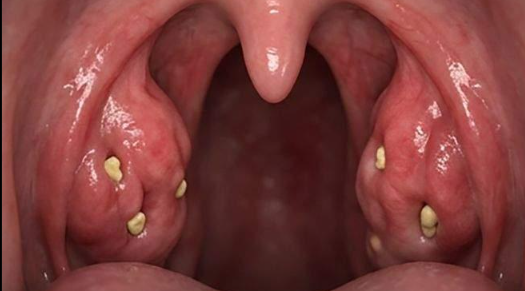
Not everyone with tonsil stones experiences symptoms. Some people discover them accidentally while looking in the mirror or coughing.
When symptoms do occur, they may include:
- Small white or yellowish spots on the tonsils.
- Persistent bad breath.
- An unpleasant taste in the mouth.
- A feeling that something is stuck in the throat.
- Mild throat irritation or discomfort.
- Occasional coughing.
- Discomfort when swallowing.
- Ear discomfort in some cases.
The severity of symptoms often depends on the size and location of the stones.
What Causes Tonsil Stones to Develop?
Several factors can contribute to the formation of tonsil stones. Understanding these causes can help you manage the condition and reduce the chances of experiencing recurring problems.
1. Deep tonsil crypts
Some people naturally have deeper or more irregular tonsil pockets. These spaces can trap food particles, mucus, and other debris more easily.
2. Poor oral hygiene
When oral hygiene is inadequate, bacteria and debris can accumulate in the mouth. This may contribute to the material that eventually collects inside tonsil crypts.
3. Repeated tonsil inflammation
People who experience recurring tonsil inflammation may have changes in the structure of their tonsil crypts, making it easier for debris to become trapped.
4. Postnasal drip
Postnasal drip occurs when excess mucus from the nose drains down the back of the throat. This mucus may contribute to material accumulating around the tonsils.
5. Naturally occurring oral bacteria
The mouth contains many types of bacteria. Some can contribute to the breakdown of trapped material and the unpleasant odor associated with tonsil stones.
How Can You Get Rid of Tonsil Stones Safely?
The good news is that many small tonsil stones disappear naturally or can be managed with simple hygiene practices.

Here are several approaches that may help.
Gargle With Warm Salt Water
Gargling with warm salt water may help loosen debris around the tonsils and soothe mild throat irritation.
Mix a small amount of salt into a glass of warm water, gargle gently, and spit it out. Avoid swallowing the mixture.
Maintain Good Oral Hygiene
Brushing your teeth twice daily, flossing regularly, and cleaning your tongue can help reduce bacteria and food debris in your mouth.
Good oral hygiene is particularly important for people who experience recurring tonsil stones.
Drink Enough Water
Staying hydrated helps maintain normal saliva production and keeps the mouth and throat moist.
A healthy saliva flow also helps naturally clear food particles and bacteria from the mouth.
Use a Gentle Mouthwash
An alcohol-free mouthwash may help improve oral hygiene and reduce unpleasant breath.
However, mouthwash cannot always reach the deeper pockets where tonsil stones develop.
Avoid Aggressive Removal Methods
Never use sharp objects, fingernails, toothpicks, or forceful tools to remove tonsil stones.
The tonsils contain delicate tissue and blood vessels, and aggressive removal can cause bleeding, injury, or infection.
If a stone is difficult to remove or causes persistent discomfort, consult a healthcare professional.
Can You Prevent Tonsil Stones From Coming Back?
Although there is no guaranteed way to prevent every tonsil stone, several everyday habits may reduce their frequency.

Consider incorporating these practices into your routine:
- Brush your teeth at least twice daily.
- Floss regularly to remove trapped food particles.
- Clean your tongue gently.
- Drink sufficient water throughout the day.
- Maintain a consistent oral hygiene routine.
- Gargle with warm salt water when appropriate.
- Address persistent nasal congestion or postnasal drip.
- Visit your dentist regularly.
If you frequently develop tonsil stones despite maintaining good oral hygiene, an ear, nose, and throat specialist may be able to identify contributing factors and recommend additional treatment.
Are Tonsil Stones Dangerous?
In most cases, tonsil stones are harmless and do not require medical treatment.
Their main effects are usually unpleasant breath, an uncomfortable feeling in the throat, or occasional irritation.
However, it is important to remember that not every white spot on the tonsils is a tonsil stone.
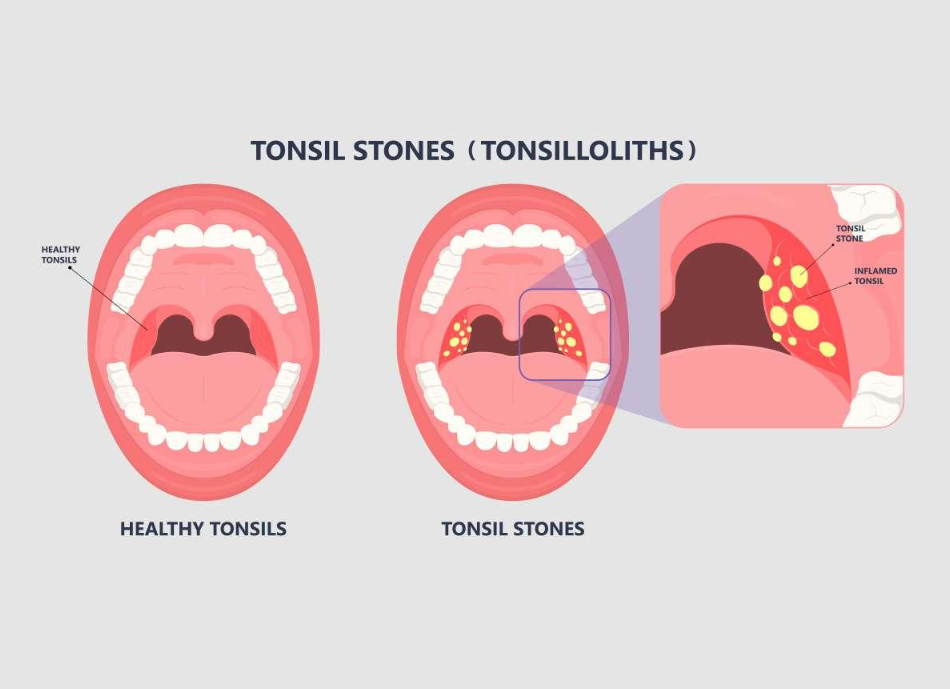
White patches can also occur with tonsillitis and other throat infections. If you experience fever, worsening pain, significant swelling, or difficulty swallowing, seek medical advice rather than assuming the problem is simply tonsil stones.
When Should You See a Doctor?
Occasional small tonsil stones generally do not require a doctor’s visit. However, professional evaluation is recommended if you experience recurring or troublesome symptoms.
Contact a healthcare professional if you notice:
- Persistent or worsening throat pain.
- Frequent tonsil stones that interfere with daily life.
- Difficulty swallowing.
- Repeated tonsil infections.
- Significant tonsil swelling.
- Bleeding from the tonsils.
- Fever or severe discomfort.
Difficulty breathing or an inability to swallow saliva requires urgent medical attention.
For people who experience severe and recurring tonsil problems, an ENT specialist may discuss additional treatment options. In selected cases, surgical removal of the tonsils, known as tonsillectomy, may be considered.
Can Tonsil Stones Cause Persistent Bad Breath?
Yes. Tonsil stones are a possible cause of persistent bad breath, also called halitosis.
The bacteria trapped inside these deposits can release unpleasant-smelling sulfur compounds. As a result, some people continue experiencing bad breath even after brushing their teeth.
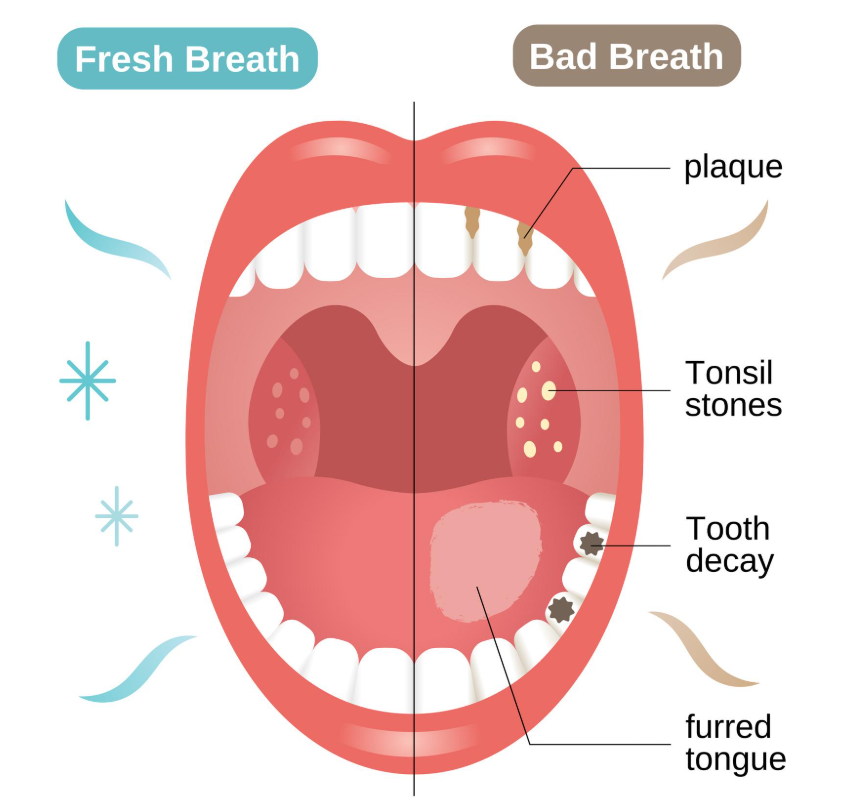
If you regularly experience bad breath, it is worth considering other possible causes as well, including gum disease, dental problems, dry mouth, and certain sinus or throat conditions.
A dentist can help determine whether the problem originates in the mouth, while an ENT specialist can investigate recurring tonsil-related symptoms.
Final Thoughts: Small Tonsil Stones Can Cause Surprisingly Big Discomfort
Tonsil stones may be tiny, but their unpleasant smell and irritating symptoms can make them surprisingly frustrating.
Fortunately, most cases are harmless and can be managed through good oral hygiene, adequate hydration, and gentle care.
Understanding why these small deposits develop can help you recognize them, reduce their recurrence, and avoid potentially harmful removal methods.
If tonsil stones keep returning or begin causing significant discomfort, professional medical advice can help you find the most appropriate solution.
Remember: Those strange little white or yellow lumps in your throat may be tonsil stones, but persistent or unusual symptoms should always be checked by a healthcare professional.
Taking care of your oral health is one of the simplest ways to support a healthier, more comfortable everyday life.