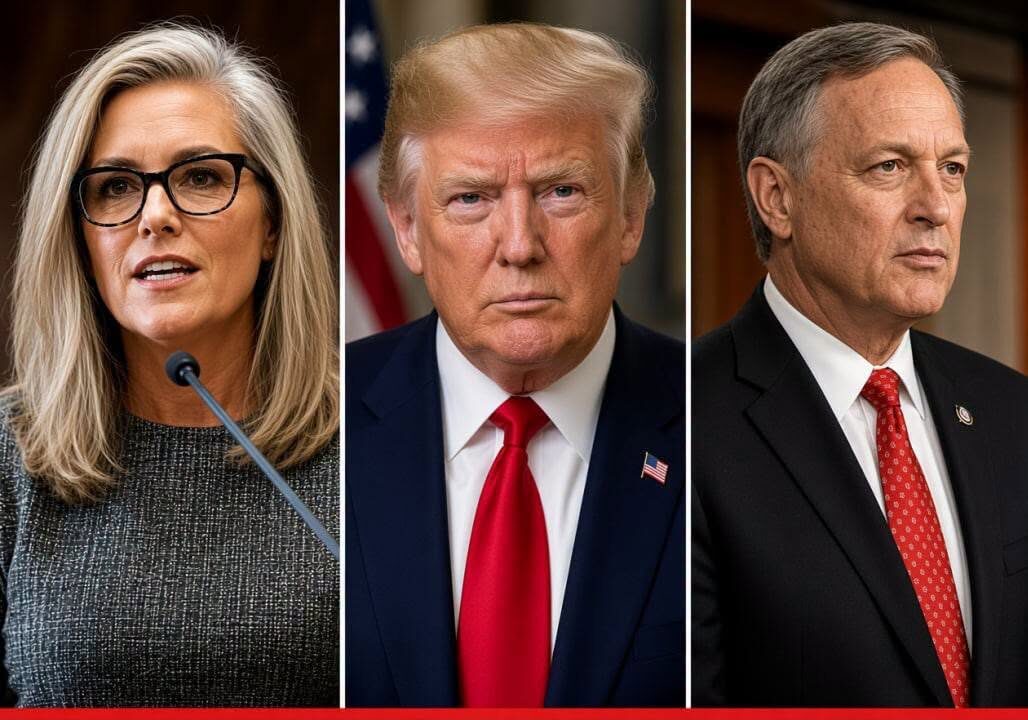
Former NFL Player Jay Feely Secured Republican Nomination
Another notable Republican primary contest took place in Arizona’s 1st Congressional District.
Former Arizona Cardinals kicker and sports broadcaster Jay Feely received Trump’s endorsement as he competed for the nomination in the district previously represented by David Schweikert.
Feely won the Republican primary with approximately 50% of the vote.
His campaign highlighted border security, economic growth, and federal spending.
The general election matched Feely against Democrat Amish Shah, a former Arizona state legislator.
Shah led Feely in the reported November election returns, reflecting the competitive nature of the suburban congressional district.
The contest attracted attention because the district includes communities in northeastern Maricopa County, where independent and suburban voters play an important role in elections.
Mark Lamb Won Republican Primary in Arizona’s 5th District
Former Pinal County Sheriff Mark Lamb also emerged victorious in a Republican primary after receiving Trump’s endorsement.
Lamb competed for the nomination in Arizona’s 5th Congressional District, which became open after Biggs pursued the governorship.
He defeated Republican challenger Daniel Keenan, receiving approximately 59% of the primary vote.
Lamb’s campaign emphasized law enforcement, immigration policy, government spending, and support for military veterans.
He subsequently faced Democrat Elizabeth Lee in the November general election.
The contest showed that even districts with established Republican voting histories can attract competitive campaigns.
Other Arizona Congressional Races Drew Attention
Arizona’s congressional elections extended beyond the contests involving Biggs, Feely, and Lamb.
Republican Congressman Juan Ciscomani sought reelection in the 6th Congressional District, facing Democrat JoAnna Mendoza.
The race received considerable attention as both parties worked to expand their representation in the U.S. House.
Other Republican candidates associated with Trump’s political agenda included Eli Crane, Paul Gosar, and Abe Hamadeh.
Meanwhile, Democratic Congressman Greg Stanton secured his party’s nomination in the 4th Congressional District and went on to compete in the general election.
Together, these contests highlighted the political diversity of Arizona’s congressional map, which includes metropolitan suburbs, rural communities, and districts with changing voter preferences.
Why Arizona Remains Important in American Politics
Arizona has become a significant state in national elections because of its competitive voting patterns and changing population.
Its political landscape includes voters concerned about immigration, housing affordability, employment, healthcare, education, and economic growth.
Republicans have emphasized border enforcement, taxes, and federal regulation, while Democrats have placed substantial attention on public services, education, reproductive rights, and household costs.
Although the parties often approach these issues differently, both have sought support from independent voters and communities outside their traditional political bases.
The 2026 results once again demonstrated the importance of these broader voting coalitions.
What the 2026 Election Results Reveal
Trump’s endorsements played a visible role in Arizona’s Republican primary contests, helping several prominent candidates secure their party’s nominations.
However, success in a primary election did not necessarily translate into a general election victory.
The gubernatorial contest provided a clear example: Biggs earned overwhelming support from Republican primary voters but lost the statewide election to Hobbs.
Congressional races also reflected differences in local political priorities and candidate support.
For both major parties, the results provide information about the issues and communities that shaped the 2026 midterm elections.
Ultimately, Arizona’s elections demonstrated that party endorsements can be influential in candidate selection, while general election outcomes depend on a much broader electorate.