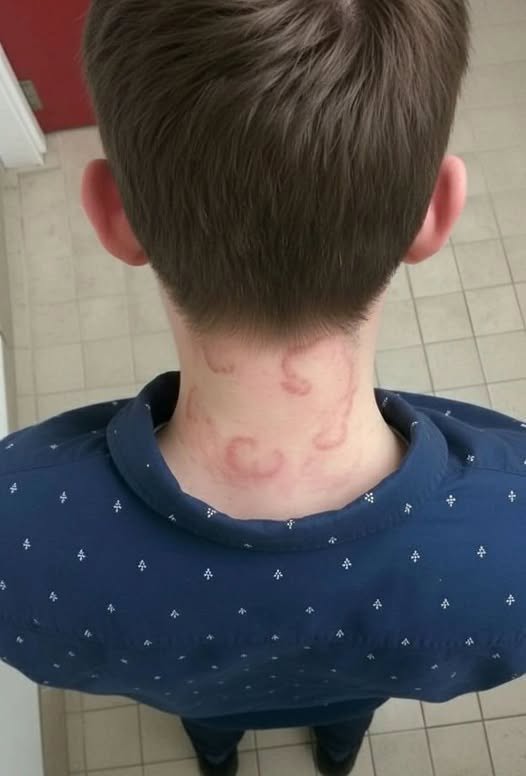
Possible triggers include:
- Infections: Viral illnesses are a common cause of hives in children.
- Foods: Certain foods can trigger hives in children with specific allergies.
- Medications: Some medicines may cause allergic reactions or other skin symptoms.
- Environmental factors: Heat, cold, pressure, exercise, or contact with particular substances can trigger symptoms in some people.
- Unknown causes: In many cases, no specific trigger can be identified.
Not every case of hives is caused by an allergy. A healthcare professional can help determine which explanations are most likely based on the child’s symptoms and medical history.
When Do Hives Become Chronic?
Hives are generally classified according to how long the condition continues.
Acute urticaria lasts up to six weeks. Chronic urticaria refers to hives that recur or persist for more than six weeks.
Children experiencing repeated outbreaks over this period should receive a medical assessment. Chronic hives can sometimes continue for months, but the course varies from child to child. In many cases, a clear cause is never found.
Recognizing Swelling and Other Warning Signs
Some children with hives also develop deeper swelling beneath the skin, known as angioedema. It may affect the eyelids, face, hands, feet, or lips.
Swelling involving the tongue or throat can be dangerous, particularly when accompanied by breathing difficulties or trouble swallowing.
Call your local emergency number immediately if a child develops difficulty breathing, throat tightness, tongue swelling, faintness, or other signs of a severe allergic reaction. Do not wait for a rash to spread before seeking help.
How Are Hives Treated in Children?
Treatment depends on the child’s age, symptoms, medical history, and the suspected cause.
Healthcare professionals may recommend an age-appropriate, non-drowsy antihistamine to help relieve itching and hives. Parents should consult a doctor or pharmacist about the correct medicine and dose for their child.
Do not increase medication doses or give corticosteroids unless specifically instructed by a qualified healthcare professional. Treatment that is appropriate for one child may not be suitable for another.
Keeping a record of when symptoms appear, how long they last, and any possible triggers can help a clinician assess the condition. Photographs of the rash may also be useful if the marks disappear before the appointment.
When Should Parents Seek Medical Advice?
Parents should arrange medical evaluation if hives keep returning, last for several weeks, worsen over time, or interfere with a child’s sleep and daily activities.
It is especially important to seek advice when the rash is accompanied by fever, joint pain, unusual bruising, or marks that remain in the same place for more than 24 hours. These features may indicate a condition other than ordinary hives.
For a child whose symptoms have continued for two months, an appointment with a healthcare professional is important even if the rash sometimes disappears.
Final Thoughts
Hives in children can have several causes, and many cases improve with appropriate care. However, persistent or worsening symptoms should not be dismissed as a minor skin irritation.
Parents can help by documenting symptoms, avoiding suspected triggers when advised by a clinician, and following a treatment plan tailored to their child. Recognizing emergency warning signs and seeking timely medical advice are essential steps in protecting a child’s health.