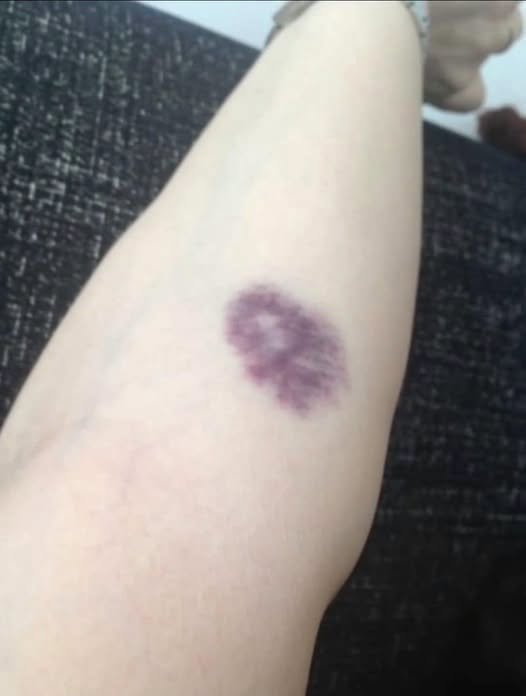
Minor injuries are one of the most common causes. People can sometimes bump into furniture, exercise, or experience other small impacts without remembering them afterward.
Age can also influence bruising. As skin becomes thinner and the protective tissue beneath it changes, blood vessels may be more vulnerable to minor injury.
Medications Can Sometimes Play a Role
Certain medications can make bruising more noticeable because they affect blood clotting or platelet function. Some over-the-counter medicines and prescription drugs can have this effect.
If you have noticed a significant increase in bruising after starting a new medication or changing a dose, speak with your healthcare professional. Do not stop a prescribed medication on your own unless a medical professional advises you to do so.
Nutrition and Other Factors
Nutritional deficiencies can sometimes contribute to easy bruising, although they are only one possible explanation. A person’s overall diet, health history, medications, and other symptoms all need to be considered.
Other factors can also affect how easily someone bruises. What is normal for one person may be different for another.
When Should Unexplained Bruising Be Checked?
Occasional bruises are generally not a cause for concern. It may be appropriate to seek medical advice if you notice a persistent or significant change in your usual pattern of bruising.
Consider speaking with a healthcare professional if you experience:
- Frequent bruises without an obvious injury
- Bruises that are unusually large or painful
- A sudden increase in bruising
- Bruising together with unusual bleeding
- Frequent nosebleeds or bleeding gums
- Persistent tiredness or other unexplained symptoms
- Bruising that begins after starting a new medication
These symptoms do not necessarily indicate a serious condition. A healthcare professional can review your medical history, medications, symptoms, and, if necessary, recommend appropriate testing.
What Can You Do?
It can be useful to keep track of when new bruises appear, where they occur, and whether they are changing in size or appearance. Make a note of any recent injuries, medication changes, dietary changes, or other symptoms.
This information can help a healthcare professional understand whether the bruising represents a normal pattern or requires further investigation.
The Bottom Line
An unexplained bruise is usually not a reason to panic. Minor injuries, aging, medications, and other everyday factors can all contribute to bruising.
The important thing is to pay attention to changes in your normal pattern. If bruises become frequent, unusually large, or appear alongside other concerning symptoms, discussing them with a qualified healthcare professional is a sensible step.
Medical disclaimer: This article is intended for general informational purposes only and does not provide a diagnosis or replace professional medical advice.