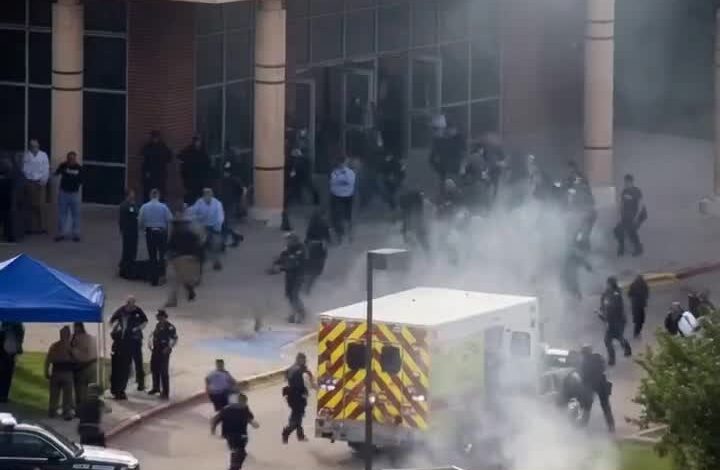
This distinction is important. A headline may attract attention, but readers need reliable evidence before accepting a serious claim as fact.
What Information Is Missing?
Reports about major public emergencies sometimes develop gradually. Initial details may be incomplete, and authorities may need time to establish what happened.
However, credible reporting should identify the available facts and explain where the information comes from.
For a report involving multiple deaths and injuries at a school, readers would reasonably expect details such as:
- The name or location of the school.
- The date of the reported incident.
- The police department or authority handling the investigation.
- Statements from school officials or emergency responders.
- Reliable confirmation of the reported casualties.
The absence of these details does not automatically prove that a report is false. However, it means the claim cannot responsibly be presented as confirmed news.
Until trustworthy evidence becomes available, readers should treat the headline with caution.
A Historical Event With Similar Figures
The numbers mentioned in the viral headline also resemble the casualty figures from a documented school attack at Lindhurst High School in Olivehurst, California, on May 1, 1992.
During that incident, four people lost their lives: one teacher and three students. Ten additional people were injured.
The attack involved a former student and led to a lengthy emergency response at the school.
The historical event is well documented, but it must be distinguished from any claim about a new incident.
Similar casualty figures do not establish that two reports describe the same event. They also do not prove that an old story or historical image is being deliberately presented as new.
Readers should check the original publication date, image context, and source before drawing conclusions.
Why Old Stories Can Cause New Confusion
Online articles, photographs, and videos can remain accessible for years. When older material is shared again without its original context, readers may mistake it for a recent development.
This can happen when:
- An old article receives a new or misleading headline.
- Historical photographs are shared without their original dates.
- Social media posts remove important background information.
- Similar casualty figures create confusion between separate events.
- Unverified accounts describe an incident as breaking news without providing evidence.
Checking the date and original source can help readers understand whether a report describes a historical event or a genuinely new development.
How to Verify Reports of School Emergencies
When encountering a serious claim about a school shooting, readers should look for confirmation from reliable sources.
Official statements from local police departments, school districts, emergency services, and relevant public authorities can provide important information.
Established news organizations can also help clarify what is known and what remains uncertain.
Readers should avoid sharing dramatic headlines or images until their authenticity and context have been checked.
If an emergency is genuinely taking place, people should follow instructions from local authorities rather than rely on unverified social media updates.
Why Responsible Reporting Matters
Reports involving schools, students, and families require particular care.
Unverified claims about deaths or injuries can cause unnecessary distress, especially for people who have connections to the communities mentioned.
Responsible journalism should prioritize accuracy, transparent sourcing, and respect for those affected by real tragedies.
It should also avoid using historical events to create the impression that a new emergency has occurred.
Final Thoughts
The viral headline claiming that four people were killed and ten injured in a school shooting does not provide enough information to establish that a new attack has taken place.
The similar figures associated with the 1992 Lindhurst High School tragedy are a reason to check the historical context carefully, not proof of a connection between the two stories.
Until a specific location, date, and credible confirmation are available, the claim should remain unverified.
In serious public-safety reporting, accuracy and responsible communication must always come before attention-grabbing headlines.
Editorial note: This article examines an unverified online claim and a separate historical school attack. It does not confirm that a new school shooting has occurred.