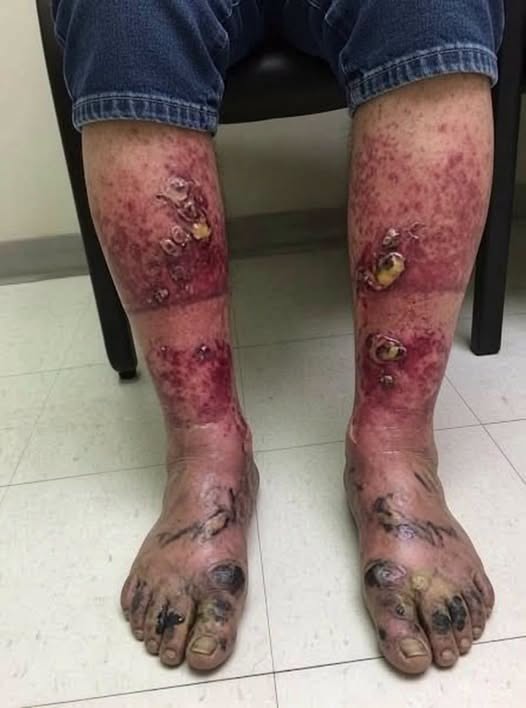
When a Skin Problem Gets Worse
Skin irritation can develop for many reasons.
A person might experience an allergic reaction, insect bite, irritation from a product, an inflammatory skin condition, or an injury.
Sometimes, however, damaged skin can become infected.
An infection may cause symptoms such as increasing redness, warmth, swelling, tenderness, or drainage. In some cases, people may also develop fever or feel generally unwell.
The speed at which symptoms develop can also be important.
A wound that is becoming noticeably worse rather than better deserves medical attention.
Timing Doesn’t Always Reveal the Cause
In some situations, a person may notice symptoms shortly after a particular event and naturally assume the two are connected.
For example, someone might develop a skin problem after traveling, exercising, changing a personal-care product, or having intimate contact.
But timing alone does not establish causation.
Many unrelated conditions can appear around the same time, and determining the actual cause may require a medical history, physical examination, and sometimes laboratory testing.
This is particularly important with sores or lesions that are painful, spreading, or difficult to explain.
Possible Causes of Leg Sores
There isn’t one universal explanation for severe sores on the legs.
Potential causes can include:
- Bacterial or other infections
- Skin injuries or repeated irritation
- Inflammatory skin conditions
- Allergic or contact reactions
- Insect bites that become infected
- Circulation problems
- Certain chronic medical conditions
- Medication-related reactions
- Other less common disorders affecting the skin or blood vessels
Because these conditions can look similar in photographs, professional evaluation is often necessary.
When Infection Is a Concern
A bacterial skin infection can sometimes develop when bacteria enter through a break in the skin.
A small scratch, cut, blister, or irritated area may provide an opening.
Warning signs can include redness that continues to spread, increasing warmth or swelling, significant tenderness, pus or other drainage, or fever.
Some infections can progress quickly, so worsening symptoms shouldn’t simply be ignored.
When to Seek Medical Care
A person should consider prompt medical evaluation if a skin wound is rapidly changing or becoming more painful.
Urgent care may be particularly important when there is:
- Rapidly spreading redness or swelling
- Severe or rapidly increasing pain
- Fever or chills
- Pus or significant drainage
- Darkening, gray, or black areas of skin
- Significant swelling
- Red streaks extending away from a wound
- Confusion, weakness, or feeling seriously unwell
Severe symptoms or a rapidly deteriorating condition can require emergency medical assessment.
Don’t Rely on Home Remedies Alone
It can be tempting to search for a quick solution when a skin problem appears.
However, severe or unexplained sores shouldn’t be treated solely with internet remedies.
Avoid picking at wounds or repeatedly applying products that could further irritate the skin. Keep the area clean and follow advice from a qualified healthcare professional.
If an infection is suspected, treatment depends on its cause. Antibiotics, for example, are useful for certain bacterial infections but are not appropriate for every type of skin problem.
A Reminder About Sexual Health
If unusual skin symptoms appear after intimate contact, it is understandable to wonder whether there is a connection.
Certain sexually transmitted infections can cause skin or genital symptoms, but not every skin problem following sexual activity is sexually transmitted.
The timing of symptoms cannot establish the cause.
Anyone concerned about a possible sexually transmitted infection should speak with a healthcare professional or sexual-health clinic, where appropriate testing can provide a more reliable answer.
The Bigger Lesson
Severe sores can look alarming, but appearance alone rarely tells the complete story.
Several different conditions can produce redness, swelling, wounds, or discoloration, and some require treatment sooner than others.
The safest approach is to avoid guessing and seek appropriate medical evaluation when symptoms are severe, rapidly changing, or accompanied by signs of infection.
Medical note: This article is for general education and cannot diagnose a specific skin condition. Anyone experiencing unexplained, painful, spreading, or worsening sores should seek advice from a qualified healthcare professional.